Summarize with AI
Key Takeaways
- D2C customer support is your brand's differentiator since there is no retail middleman to fall back on.
- Automate shipping updates and WISMO replies to stop repetitive order-status questions before they reach an agent.
- Unify WhatsApp, live chat, and email so customers never repeat themselves when they switch channels.
- Remove friction from returns and let agents issue refunds or credits without manager approval delays.
- QuantumDesk brings AI, Shopify data, and every channel into one platform built for D2C teams.
When you sell direct to consumers, there is no retail counter to blame when something goes wrong.
A shopper messages a D2C skincare brand on Instagram asking if a new serum suits sensitive skin, waits hours for a reply, then buys the same product from a competitor who answered within minutes and closed the sale.
Support is not a back-office function for D2C brands. It is the only human moment between a customer and the brand they chose over everyone else.
You will learn about:
- The practices that separate great D2C support from support that just processes tickets
- The tools worth investing in for a growing direct-to-consumer team
- The mistakes that quietly cost brands repeat customers and referrals
- How to turn support into a channel that builds loyalty, not just resolves complaints
You will learn how to automate the repetitive parts of support, unify every channel your customers use, and turn service into a real growth driver.
D2C Customer Support at a Glance
What Is D2C Customer Support?
D2C customer support is the service a brand provides directly to shoppers, with no retailer or distributor in between.
Every message, delay, and resolution reflects on the brand alone, not a third party. That makes support one of the few moments where a D2C brand meets its customer face to face, even without a store.
What D2C Customer Support Includes
- Answering pre-purchase questions about sizing, ingredients, or product fit before a shopper decides to buy.
- Tracking and updating orders proactively, so shoppers know where their package is without asking.
- Handling returns and exchanges in a way that feels easy, not like a fight for a refund.
- Staying consistent across channels, so a shopper gets the same answer on WhatsApp, email, or chat.
- Turning support into a relationship, not just a queue of tickets to close and forget.
It is worth knowing where this fits next to the related idea of customer success; our customer service vs customer support breakdown covers the difference.
Why Customer Support Makes or Breaks a D2C Brand
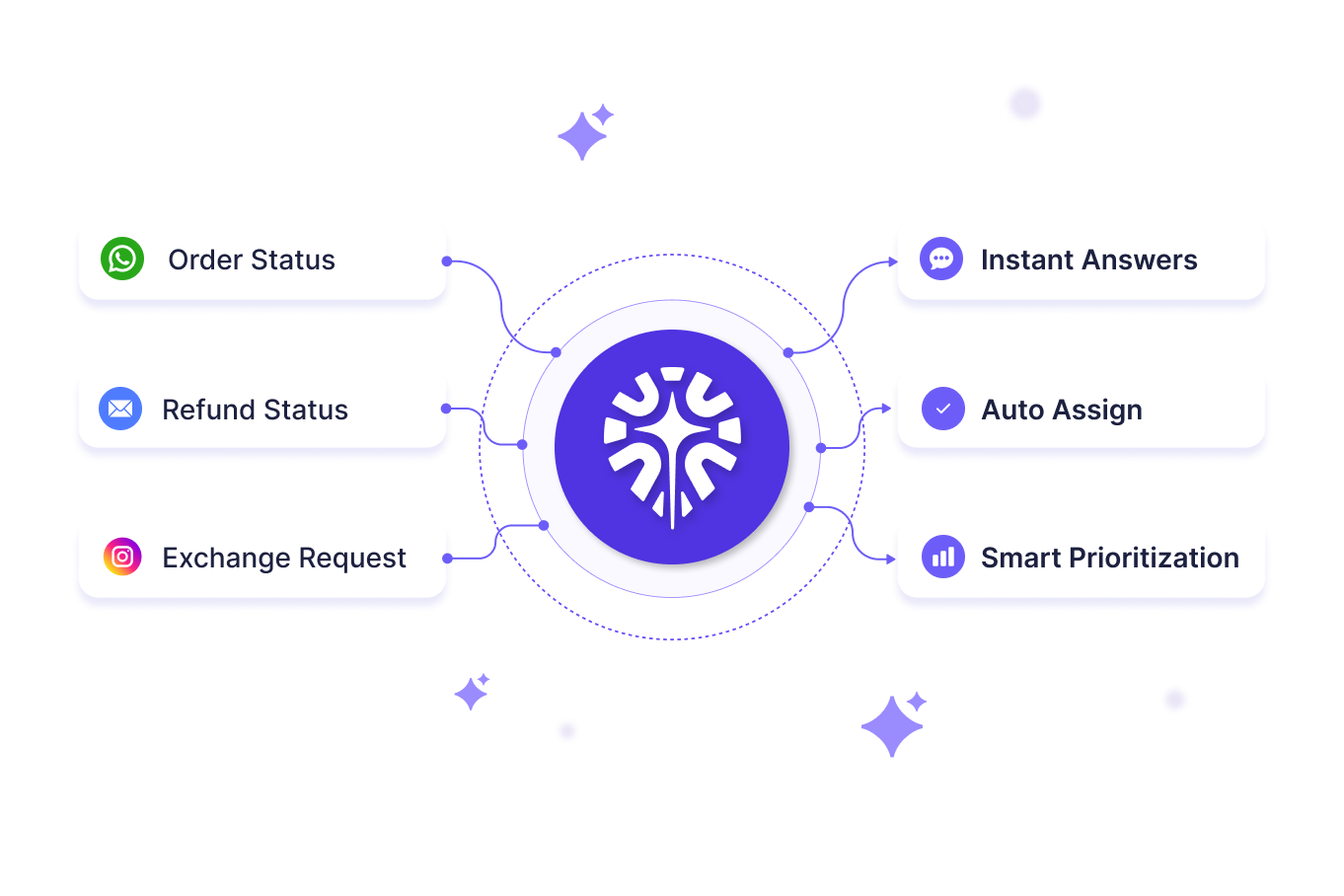
A D2C brand does not have a store manager to smooth things over when an order goes wrong. The support team is the entire relationship, which means one slow reply carries more weight than it would for a retailer with a hundred other touchpoints.
1. There Is No Middleman to Absorb the Blame
In retail, a distributor or store can soften a bad experience. In D2C, every delay, mistake, or unclear policy points straight back to the brand, with no buffer standing in between.
2. One Bad Experience Becomes a Public Story
I ordered a specific flavor variety pack for a family event → received a completely different assortment → contacted support the evening before the event → got an automated acknowledgment promising a reply within 48 hours → had to manage without it → left a review warning others → have not ordered since.
One support failure. One lost customer. One public review that every future buyer reads before they order. That is exactly how poor post-purchase support cuts into repeat purchases.
3. Support Is the Only Face-to-Face Moment Left
Without a store or sales floor, a support conversation is often the only real human interaction a customer has with the brand, which means it carries far more weight than a single reply should.
4. Small Failures Compound Faster at Scale
A support gap that affects one customer at low volume affects hundreds once a brand grows, and the cost of not fixing it early multiplies with every new order.
That is the real cost of treating support as a back-office function instead of the brand's front line.
What Are the Best Practices of D2C Customer Support in 2026?
Four practices consistently separate D2C brands with loyal customers from brands customers quietly leave.
1. Automate Proactive Communication
Most order-status questions can be answered before a customer even asks, if shipping and tracking data reaches them automatically instead of sitting inside a dashboard only your team can see.
What to automate
- Real-time shipping alerts sent over SMS or WhatsApp the moment a status actually changes.
- Live tracking data pulled directly from your logistics platform into the support inbox.
- Smart self-service for simple requests like address changes, routed to AI instead of a queue.
This is one of the fastest ways to reduce "where is my order" tickets without adding headcount.
2. Unify Every Channel Customers Use
A shopper who starts a conversation on Instagram and follows up by email should never have to explain the problem twice, but that is exactly what happens when channels do not share context.
What to unify
- WhatsApp, live chat, and social DMs brought into one inbox instead of five separate logins.
- Full conversation history visible to any agent, regardless of which channel the customer used first.
- Consistent answers across channels so policy details do not shift depending on who replies.
A real omnichannel customer service setup is what makes this possible without adding tools your team has to check separately.
3. Remove Friction From Returns and Resolutions
A return policy that is hard to find or slow to act on turns a minor issue into a reason to never order again, especially when a competitor makes the same process effortless.
What to simplify
- Transparent, self-serve return steps that do not require a back-and-forth with an agent first.
- Agent authority to issue refunds or credits up to a set limit without manager approval.
- Fast status updates once a return is received, so the customer is not left guessing.
Brands with a growing return volume should look closely at ways to reduce return support backlog before it slows the whole queue down.
4. Turn Support Into a Growth Channel
A support conversation is also a sales conversation, especially when the agent already knows what the customer bought and can suggest something that actually helps.
What to try
- Personalized product suggestions during troubleshooting, based on what the customer already owns.
- Usage tips shared proactively, which build trust instead of feeling like an upsell.
- Post-resolution follow-ups that check satisfaction and quietly open the door to a repeat purchase.
Done well, this is one of the simplest ways to increase customer engagement without a separate marketing push.
Core AI Workflows of D2C Customer Support
These are the day-to-day workflows that turn the practices above into habits instead of good intentions.
1. Unified Helpdesk and Omnichannel Inbox
A single inbox that brings WhatsApp, email, live chat, and social DMs together is the foundation everything else builds on; see our best customer service software for D2C brands list for specific options.
2. AI Chatbot and Agentic Automation
AI that resolves order status, address changes, and simple FAQs on its own frees agents for the conversations that actually need a person, and it should hand off cleanly when it cannot help. This is the core idea behind agentic AI for customer service.
3. Logistics and Order Tracking Integration
Connecting your helpdesk directly to your logistics and inventory platform means agents see live tracking data instantly instead of asking a customer to wait while they check another system.
4. Self-Service Knowledge Base
A clear, searchable FAQ and return policy page lets shoppers solve simple problems themselves, cutting ticket volume before it ever reaches an agent's queue.
What are the Mistakes to Avoid in D2C Customer Support
Most D2C support problems are not about effort. They come from process gaps that only show up once volume grows.
- Ignoring WhatsApp and Instagram DMs because they feel informal, even though that is where many shoppers actually reach out.
- Burying the return policy in fine print instead of making it visible and simple to follow.
- Treating support as a cost center instead of the only direct relationship the brand has with its customer.
- Losing context between channels, so a shopper has to repeat the same story to every new agent.
Fix these, and support stops being where customers slip away. It becomes where they decide to improve customer satisfaction and stay.
How QuantumDesk Helps D2C Brands Resolve Faster
Every best practice in this guide comes down to one thing: making support feel like part of the brand, not an afterthought.
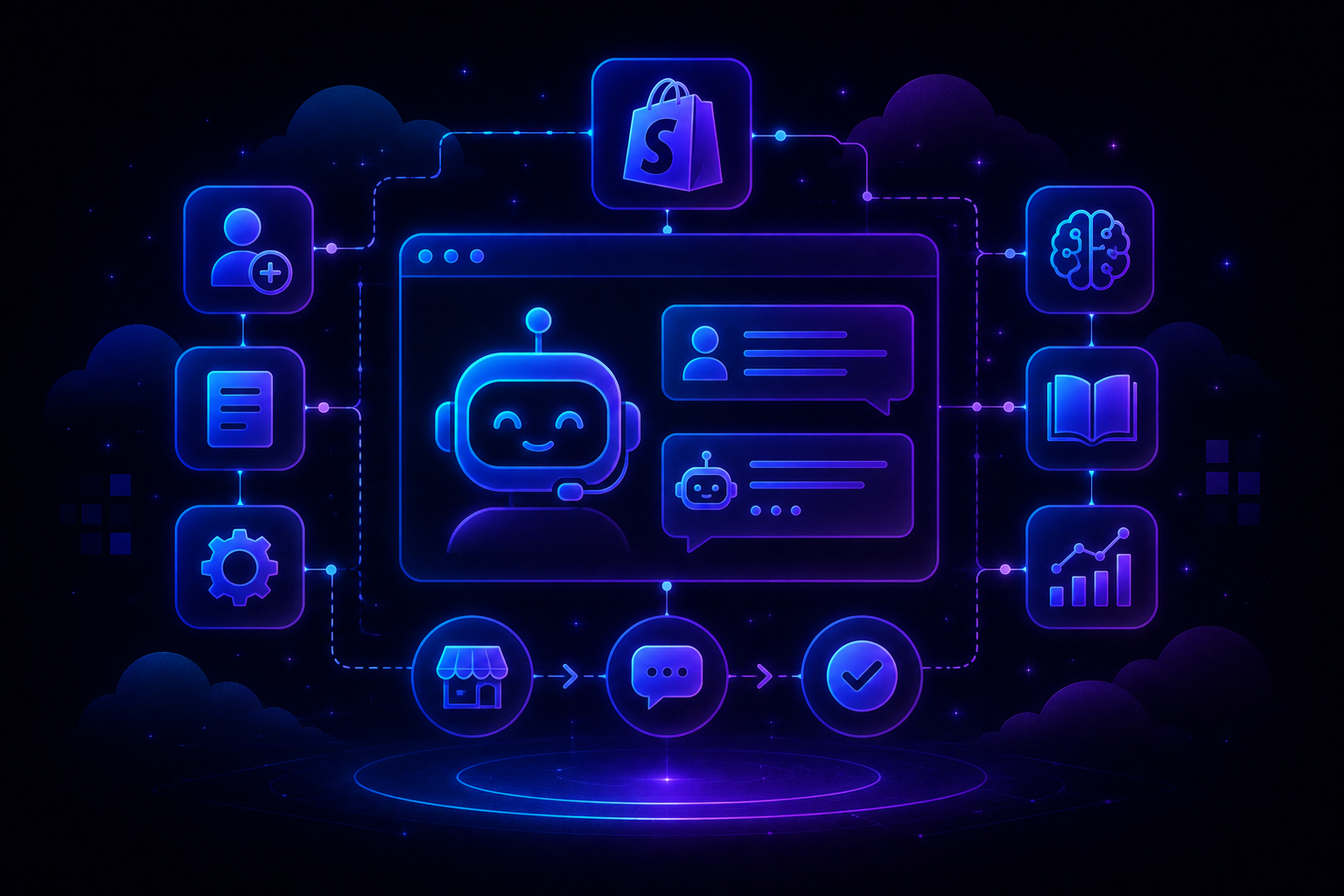
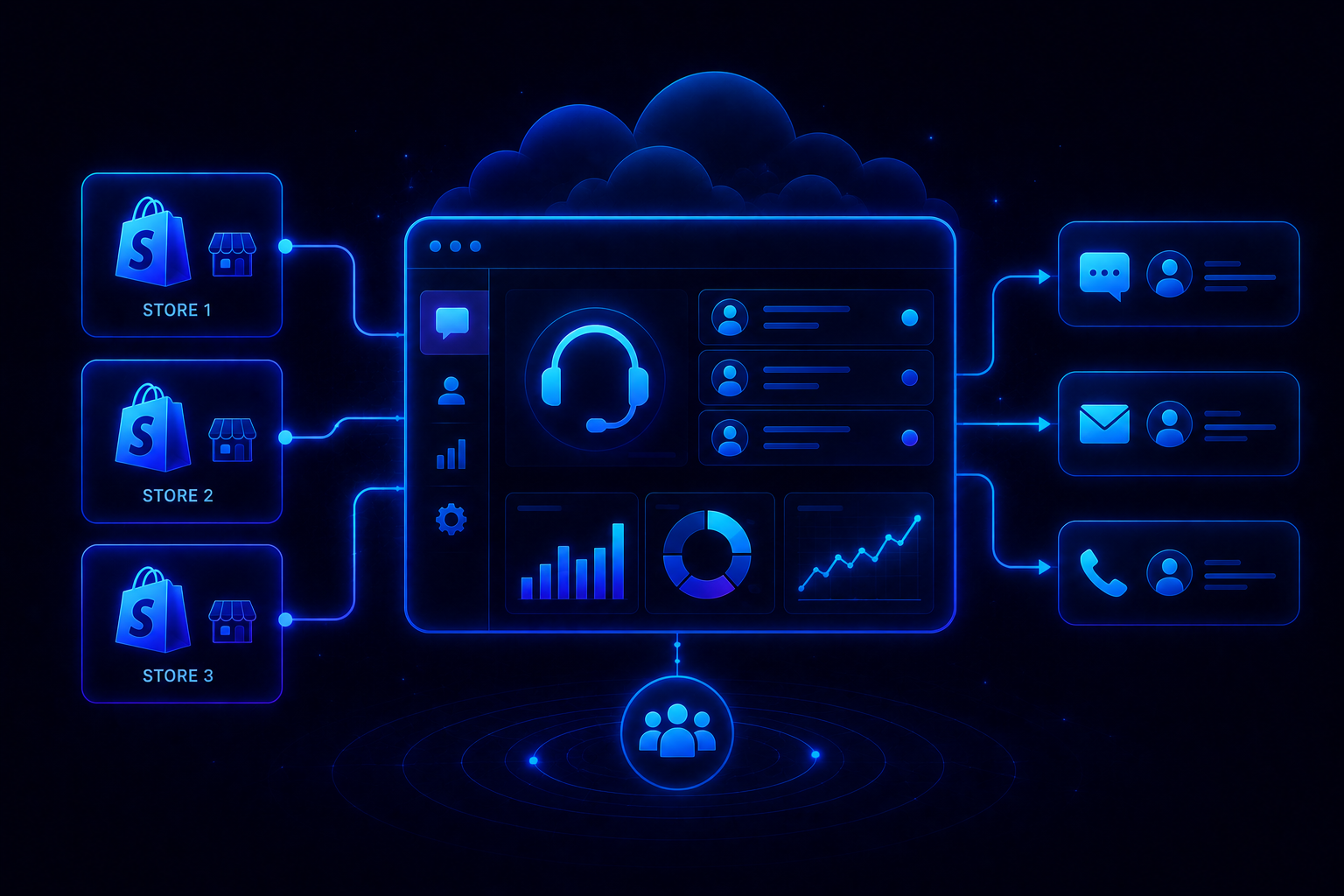
QuantumDesk connects directly to Shopify order and customer data, so Quantum AI resolves order and account queries without an agent ever opening a second tab, the same context D2C teams need across WhatsApp, chat, and email.
That context is what turns a routine reply into a moment that builds loyalty.
Key QuantumDesk Capabilities:
- Quantum AI resolves repetitive queries automatically as part of the core workflow, not a paid extra
- Unified Inbox centralizes email, chat, WhatsApp, and social conversations with full order context
- AI-Curated Inbox prioritizes tickets by urgency, sentiment, and intent before agents open them
- Quantum AI Copilot gives agents full context and suggested replies during live conversations
- Native Shopify Integration surfaces order and customer data directly inside every conversation
- Admin Analytics tracks AI resolution rates, escalation patterns, and CSAT trends in one dashboard
QuantumDesk gives your support team the speed of automation and the context of a brand that actually knows its customers, so scaling support does not mean adding headcount every time volume grows.
Frequently Asked Questions
What is D2C customer support?
D2C customer support is the service a direct-to-consumer brand provides to its own shoppers, covering pre-purchase questions, order tracking, and returns, with no retailer or distributor acting as a buffer.
What are the best practices for D2C customer support?
Automate proactive shipping updates, unify every channel into one inbox, remove friction from returns, and let agents suggest relevant products during support conversations to build loyalty.
What tools do D2C brands need for customer support?
A unified helpdesk, an AI agent for repetitive questions, logistics integration for live tracking, and a self-service knowledge base are the core tools most growing D2C teams need.
How is D2C customer support different from retail support?
Retail support has a store or distributor to absorb some of the experience. D2C support is the brand's only direct touchpoint, so every interaction shapes how the customer sees the whole company.
Why does customer support matter more for D2C brands?
Without a middleman, a D2C brand cannot rely on someone else to smooth over a bad experience. One slow or inconsistent reply directly affects whether that customer buys again.



.avif)