Summarize with AI
Key Takeaways
- QuantumDesk unifies WhatsApp, Instagram DMs, email, and live chat into one inbox, giving agents full context instead of switching between disconnected channel tools.
- Quantum AI resolves shipping updates, basic returns, and order edits instantly using live Shopify data, without a ticket ever reaching an agent's queue.
- Proactive delivery alerts sent automatically through WhatsApp and email prevent WISMO questions from ever reaching the support queue during high-volume periods.
- QuantumDesk's AI-curated inbox automatically flags VIP customers and frustrated shoppers, routing them straight to senior agents ahead of routine conversations.
- As AI resolution rate climbs during sales surges, D2C teams absorb volume spikes without hiring seasonal agents or sacrificing response quality.
A D2C brand's best sales day is often its worst support day. A flash sale or festive launch that doubles revenue overnight also doubles the conversations flooding into every channel at once, and most support teams were never built to absorb that spike without response times collapsing.
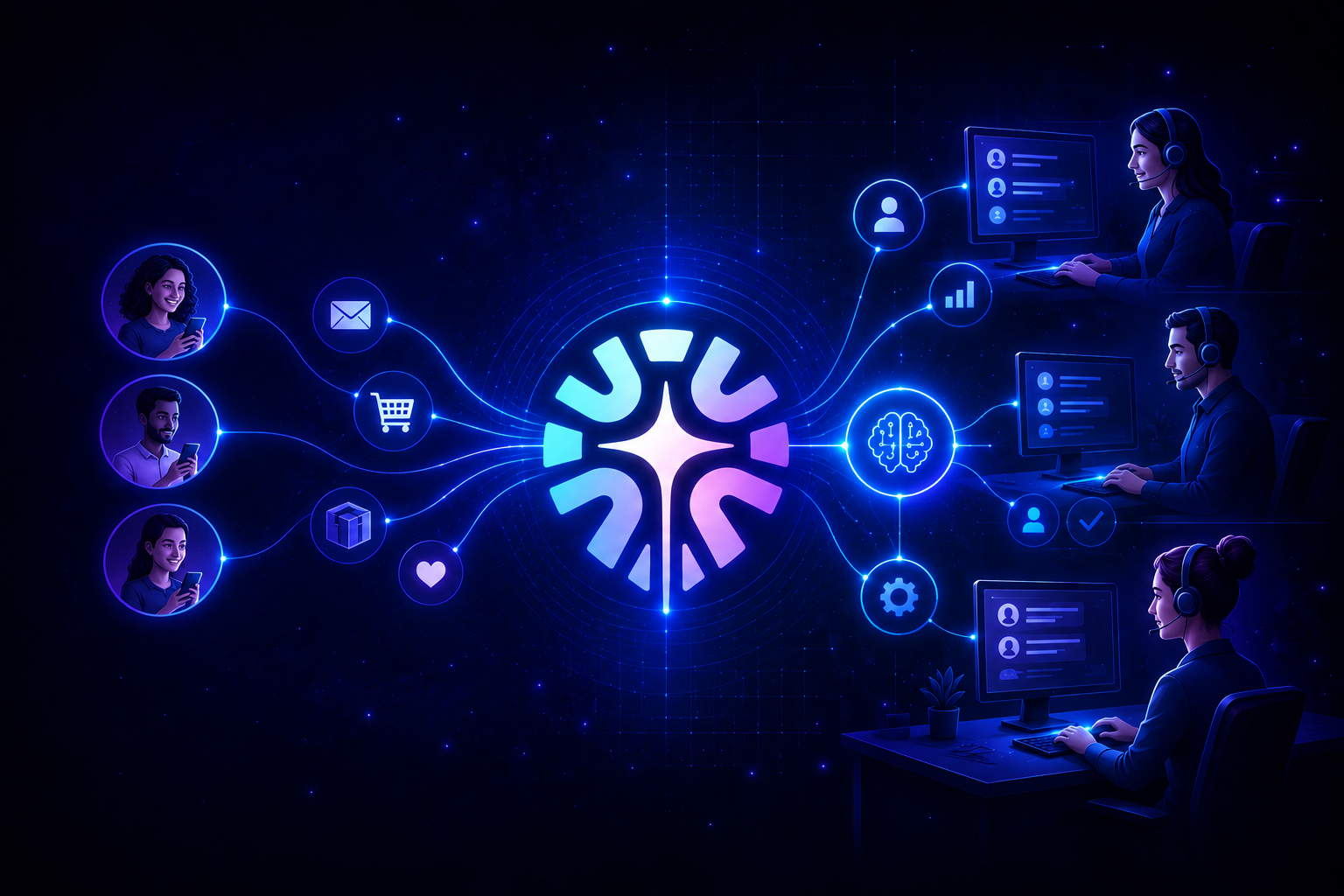
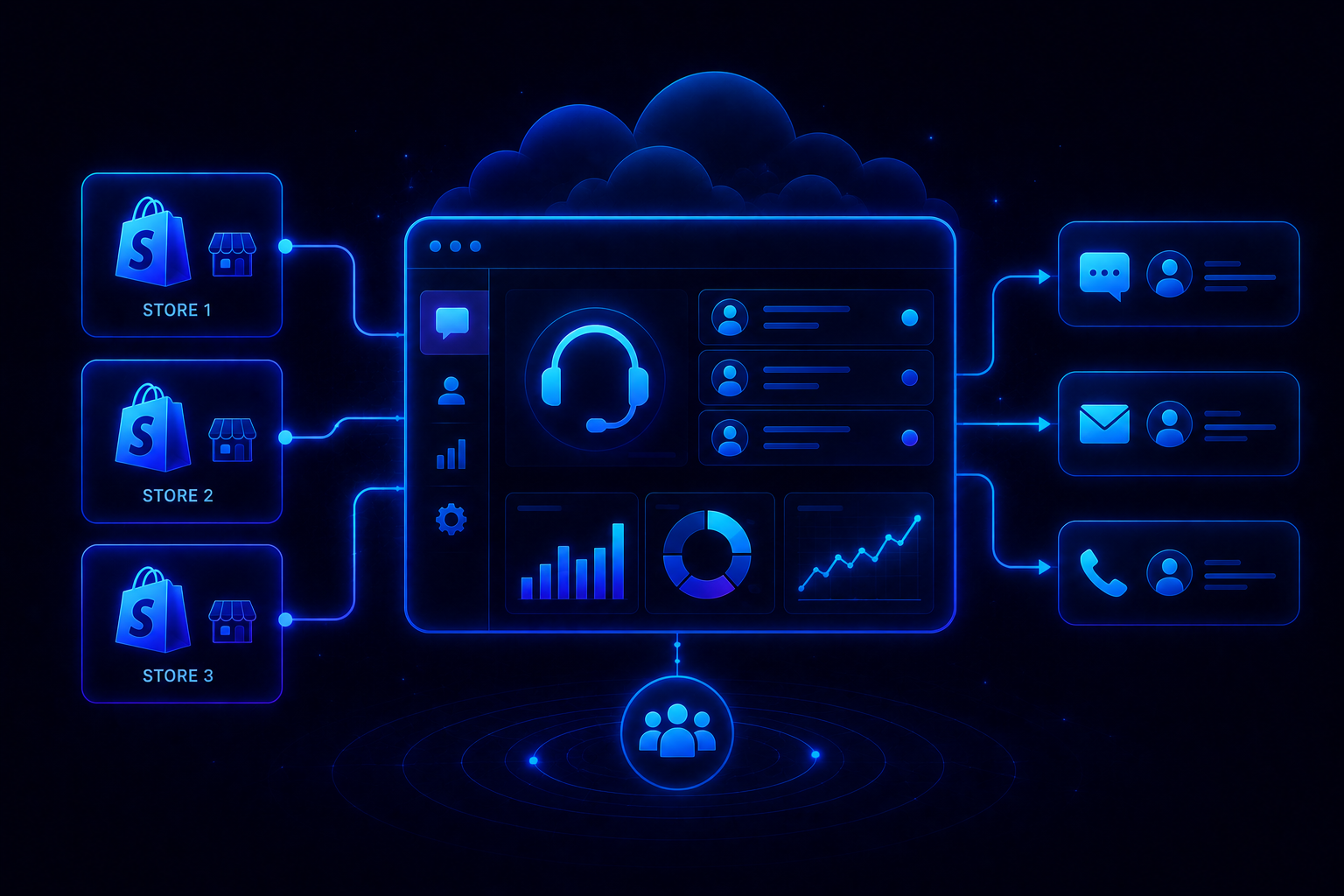
QuantumDesk is an AI-native helpdesk platform that unifies every channel into one inbox, resolves routine conversations automatically using live Shopify data, and routes VIP or frustrated shoppers straight to senior agents, so high-volume periods do not require a high-volume support team.
You will learn about:
- Why high-volume periods break support first: Conversations spike faster than teams can staff, and the same repetitive questions arrive across five different channels at once.
- How QuantumDesk handles high-volume D2C conversations: By unifying every channel, automating routine queries with live Shopify data, and routing VIP or upset customers to the right agent instantly.
- What outcomes support leaders can expect: Consistent response quality during sales surges, lower cost per conversation, and a support operation that scales with demand, not headcount.
This article focuses on why high-volume periods strain D2C support teams specifically, where the volume actually concentrates, and what it takes to absorb a surge without losing response quality.
Why High-Volume Conversations Become a Growth Problem for D2C Brands
Most D2C support teams are staffed for an average day, not a peak one. A brand doing 1,500 monthly orders on a normal week can see that volume triple during a festive sale or a viral moment, while the support team stays exactly the same size.
The structural reasons volume spikes break support before anyone can react:
- The same questions arrive at ten times the volume: order status, sizing, and delivery timing questions do not change during a sale, they just arrive all at once across every channel.
- Channels fragment under pressure: a customer who does not hear back on WhatsApp within minutes tries Instagram DM next, then email, turning one question into three open conversations.
- Response quality degrades before anyone notices: agents rushing through a flooded queue give shorter, less accurate answers, and the gap between a rushed reply and a wrong one is thin.
This is not just an operational strain. Excessive conversation volume directly reduces support quality, and a customer who gets a rushed or generic answer during your busiest week forms their opinion of the brand in that exact moment.
Why This Problem Gets Worse as D2C Brands Scale
Customer expectations do not lower because a brand is having its busiest week.
What customers expect from a D2C brand by default, sale or no sale:
- The same response speed on a flash sale day as any ordinary Tuesday, regardless of how many other customers are messaging at the same time.
- To be recognized as a repeat or high-value customer, not treated like a first-time contact who has to explain their order history from scratch.
- A consistent answer no matter which channel they use, whether that is WhatsApp, Instagram DM, email, or live chat.
A Shopify apparel brand running a 24-hour flash sale can see ticket volume spike four times overnight, and most of that volume arrives on WhatsApp and Instagram DM rather than email, the channel most legacy support setups were originally built around.
This is exactly the scenario covered in our guide on how to manage customer support during flash sales.
What Is QuantumDesk and How Does It Help D2C Teams Handle High-Volume Conversations?
QuantumDesk is an AI-native helpdesk platform built to resolve conversations, not organize them into queues for agents to work through.
For D2C support leaders, the clearest use case is volume itself. Instead of staffing up for every sale or festive launch, QuantumDesk connects directly to Shopify order and customer data to resolve routine conversations automatically, while surfacing the ones that genuinely need a human first.
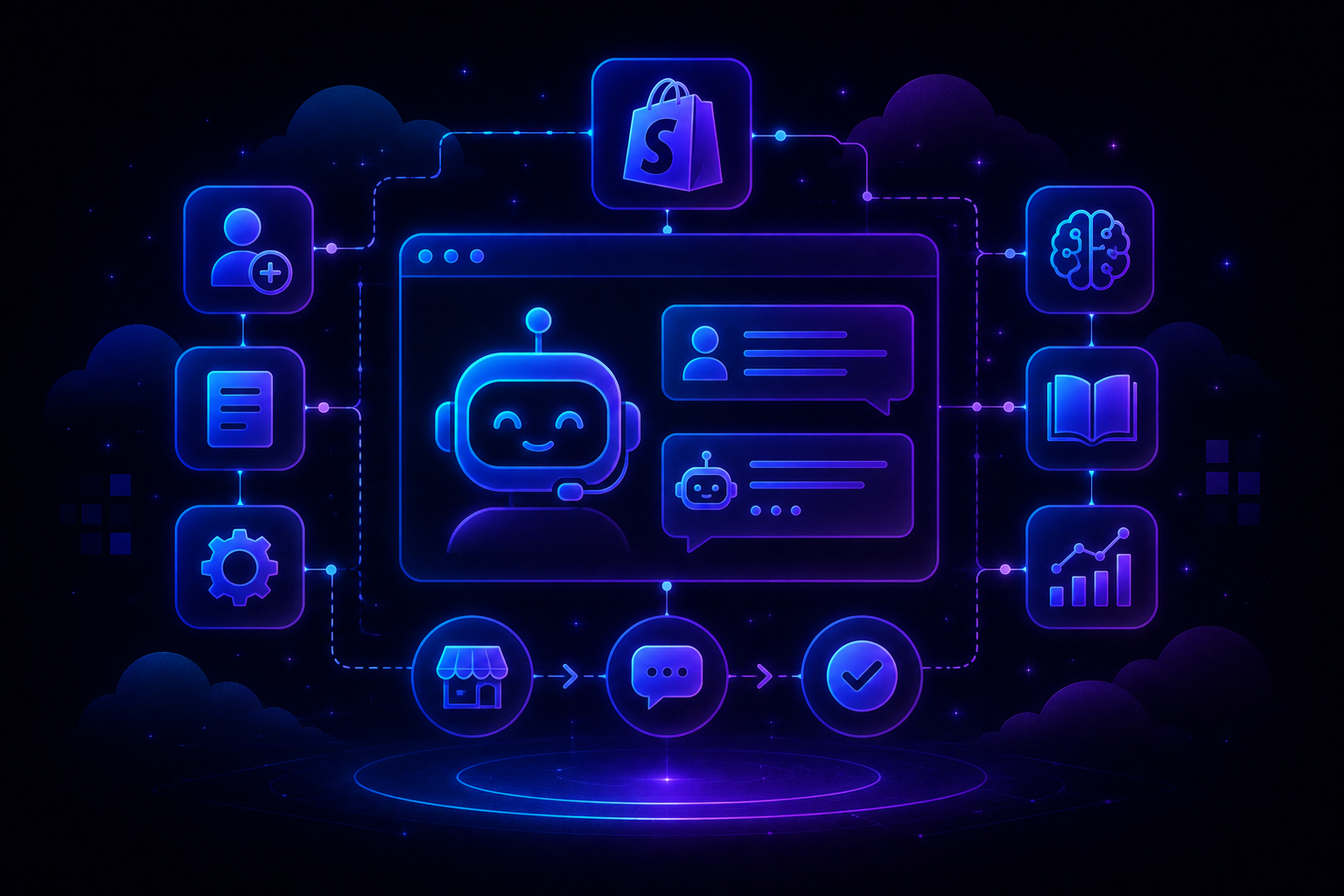
The platform combines four capabilities to keep response quality steady no matter how much volume arrives:
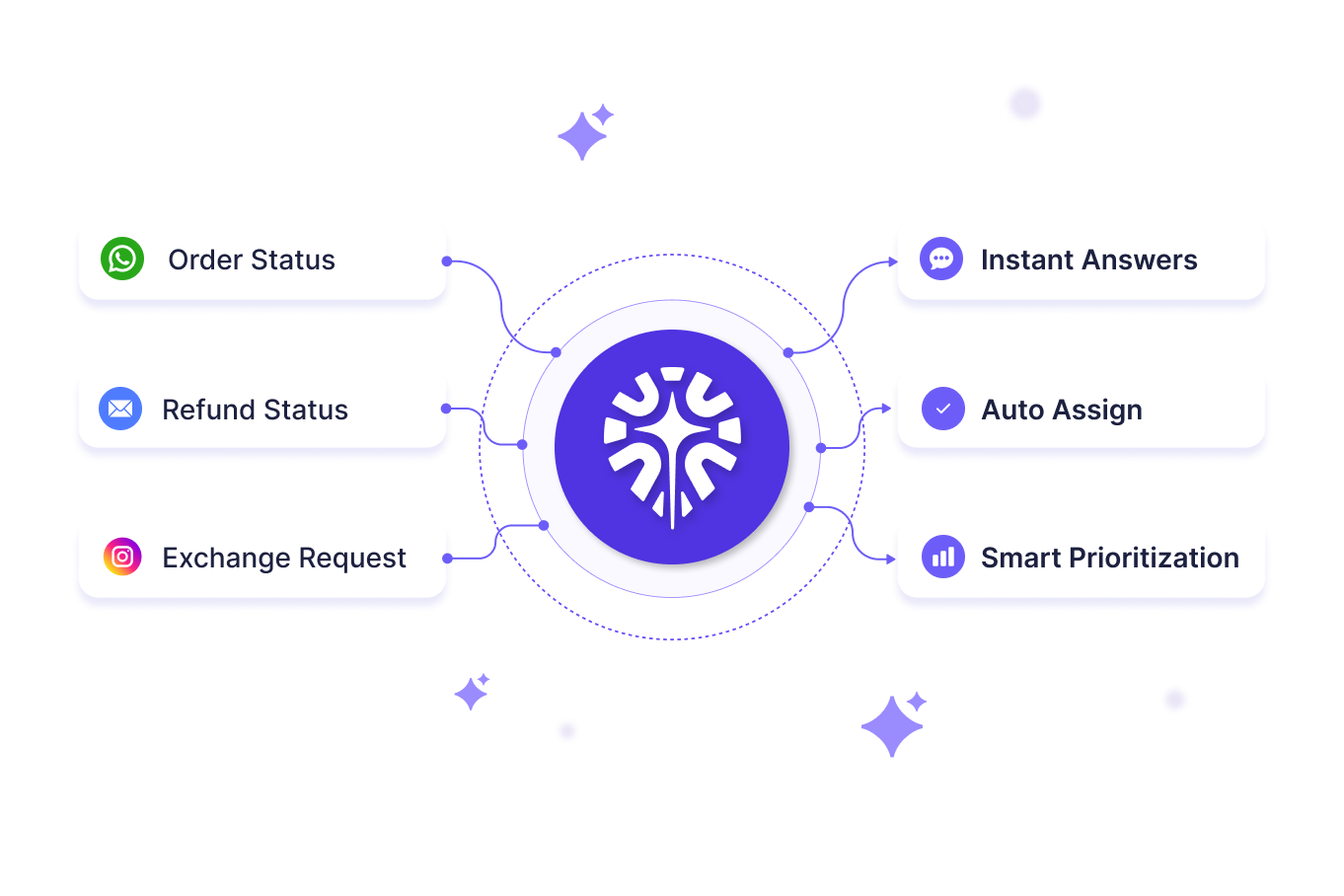
- A unified inbox routes WhatsApp, Instagram DM, email, and live chat into one dashboard, giving agents full context without switching tools mid-surge.
- Routine AI automation resolves shipping updates, basic returns, and order edits instantly using live Shopify data, without creating a ticket.
- Proactive status updates send automated delivery alerts before a customer has to ask, cutting WISMO volume before it starts.
- Smart triage and routing flags VIP and frustrated shoppers automatically, sending them straight to senior agents ahead of routine conversations.
Where D2C Support Teams Spend Most of Their Time During High-Volume Periods
A flooded support queue looks chaotic on the surface. In practice, the volume concentrates around three patterns that repeat during every sale, launch, or festive period.
1. Repetitive Order and Shipping Questions
"Where is my order?" multiplies fastest during any volume spike, since every order placed during a sale generates its own version of the same question days later.
What makes this volume so persistent:
- Every contact requires the same lookup, checking a tracking number or fulfillment status that has not meaningfully changed since the last time someone asked.
- A generic "in transit" status sends customers to support even when the shipment is on track, simply because the tracking page offers no real reassurance.
- Multiple contacts arrive for a single order when the first message goes unanswered for a few hours, exactly the pattern behind WISMO tickets during high-volume periods.
2. Fragmented Volume Across Every Channel at Once
A sale does not just increase volume, it spreads that volume across more channels simultaneously than a team normally manages.
What multi-channel fragmentation does during a surge:
- The same customer messages twice, once on WhatsApp and again on Instagram DM, because the first channel did not respond fast enough.
- Agents triage manually across disconnected inboxes, burning time that should go toward actually answering the conversations waiting.
- Duplicate contacts inflate queue depth, making the surge look even larger than the actual number of distinct customer issues. Managing this is the exact challenge covered in our guide on how to manage multi-channel customer service with AI.
3. VIP and High-Emotion Conversations Getting Buried
A repeat customer or a genuinely frustrated shopper sends one message, and it lands in the same flooded queue as two hundred routine order-status questions.
What gets lost when everything is treated the same:
- High-value customers wait behind low-value questions, since a flat queue has no concept of who is a first-time buyer versus a loyal repeat customer.
- Frustration compounds while a customer waits, turning a manageable complaint into an escalation by the time an agent finally responds.
- Personalized service becomes impossible at volume without a system that flags who deserves priority, the same gap covered in our guide on personalized support for high-value D2C customers.
These three patterns are structural. They come from volume outpacing the system's ability to sort it, not from agents working too slowly.
How QuantumDesk Helps D2C Teams Handle High-Volume Conversations
The most direct way to protect response quality during a surge is to resolve or route a conversation before it ever waits in a flat queue. QuantumDesk does this through four connected capabilities.
1. Unified Omnichannel Inbox
Every channel a D2C brand uses routes into one workspace: WhatsApp, Instagram DM, email, and live chat.
Agents see full conversation history regardless of which channel a customer used to reach out, so a surge across five channels feels like one organized queue instead of five separate fires.
2. Automated Resolution With Live Shopify Data
Quantum AI connects directly to Shopify order and customer data to resolve shipping updates, basic returns, and order edits instantly.
A customer asking about their order during a flash sale gets an accurate answer in seconds, without an agent opening a second tab or a ticket ever being created.
3. Proactive Messaging That Prevents Contacts Before They Happen
QuantumDesk automates delivery alerts and order status updates at key moments, so customers know their package is on the way before they think to ask.
Fewer contacts generated means a smaller queue to manage in the first place, not just a faster way to clear it.
4. Smart Triage That Protects VIP and Urgent Conversations
The AI-curated inbox classifies every incoming conversation by intent, sentiment, and customer value, automatically flagging VIP shoppers and visibly frustrated customers.
Those conversations route straight to senior agents, ahead of the routine volume clogging the rest of the queue.
How QuantumDesk Helps Agents Handle the Conversations That Still Need a Human
Not every high-volume conversation can or should be automated. A VIP customer with a complex request, a genuinely upset shopper, or an order issue outside standard policy still needs a person to make the call.
1. Agent Copilot
The moment a complex or high-priority conversation reaches an agent, QuantumDesk's copilot surfaces full order history, customer context, and prior conversations across every channel, so the agent's first reply is informed rather than generic.
2. AI-Curated Inbox
Agents open a prioritized queue, not a flat list. Routine conversations already resolved by AI never reach them, and the contacts that do arrive are ranked by urgency and sentiment, protecting agents from having to guess what matters most during a surge. This is the same logic behind well-designed AI chatbot escalation rules.
3. Unified Customer Context
Whether a customer messaged on WhatsApp yesterday and emailed today, agents see the full history in one workspace. Nobody asks a customer to repeat themselves in the middle of a surge, which is often the moment a brand can least afford that friction.
Protecting agents from routine volume during peak periods is also how brands avoid support agent burnout during high-return, high-volume windows, when the temptation to push everyone harder is highest.
Why Traditional Helpdesk Software Struggles With High-Volume D2C Conversations
Most helpdesk platforms assume a relatively steady flow of tickets, an assumption that breaks the moment order volume quadruples overnight.
- Every conversation still becomes a ticket first. Even a platform built around conversational customer service, the way tools like Gorgias frame their approach, still routes volume into a queue for a human to work through rather than resolving it before it arrives.
- Shopify data requires a separate lookup. Without a native connection to store data, agents open the admin in a second tab for every order question, and that manual step multiplies exactly when speed matters most.
- VIP and routine conversations sit in the same queue. Without automatic triage by customer value and sentiment, a loyal repeat customer waits behind the same volume of first-time WISMO questions.
- The only lever left is headcount, and hiring more agents does not actually fix a support system built to process volume manually rather than resolve it automatically.
Closing this gap means resolving and routing conversations automatically at scale, not staffing harder for three days a quarter.
AI Resolution Rate: QuantumDesk's Core Advantage During High-Volume Periods
Response time and ticket count are useful during a normal week, but they measure the wrong thing during a surge, when the real question is how much volume never needed a human at all.
The metric that matters most during high-volume periods is AI resolution rate: the share of conversations resolved automatically, regardless of how much total volume arrives.
Why this matters more than headcount during a sale or launch:
- A higher AI resolution rate absorbs volume spikes directly, since routine conversations get resolved the moment they arrive, not whenever an agent becomes free.
- Support cost stays flat even as order volume triples, because Quantum AI does not require overtime pay or seasonal contractors to keep pace.
- Agents stay focused on judgment calls, not repetitive lookups, which is exactly how a team scales D2C customer support without increasing headcount every time volume spikes.
Brands that handle their busiest weeks well are not the ones who hire the fastest before a sale. They are the ones whose support system was never designed around an average day in the first place.
What D2C Support Leaders Can Expect From QuantumDesk
Outcomes depend on order volume, channel mix, and how completely Shopify and knowledge base data are configured. The categories of impact are consistent across implementations.
1. Operational Outcome
Response times stay consistent whether it is an ordinary Tuesday or the first hour of a flash sale, since routine volume never depends on how many agents are on shift. Queue depth stops scaling in direct proportion to order volume.
2. Customer Outcome
Every customer gets an accurate, fast response regardless of when they message or how many other people are messaging at the same time. VIP and frustrated customers are routed to a senior agent instead of waiting behind routine volume, which is exactly how CSAT holds steady during high-volume periods instead of dropping every time order volume spikes.
3. Financial Outcome
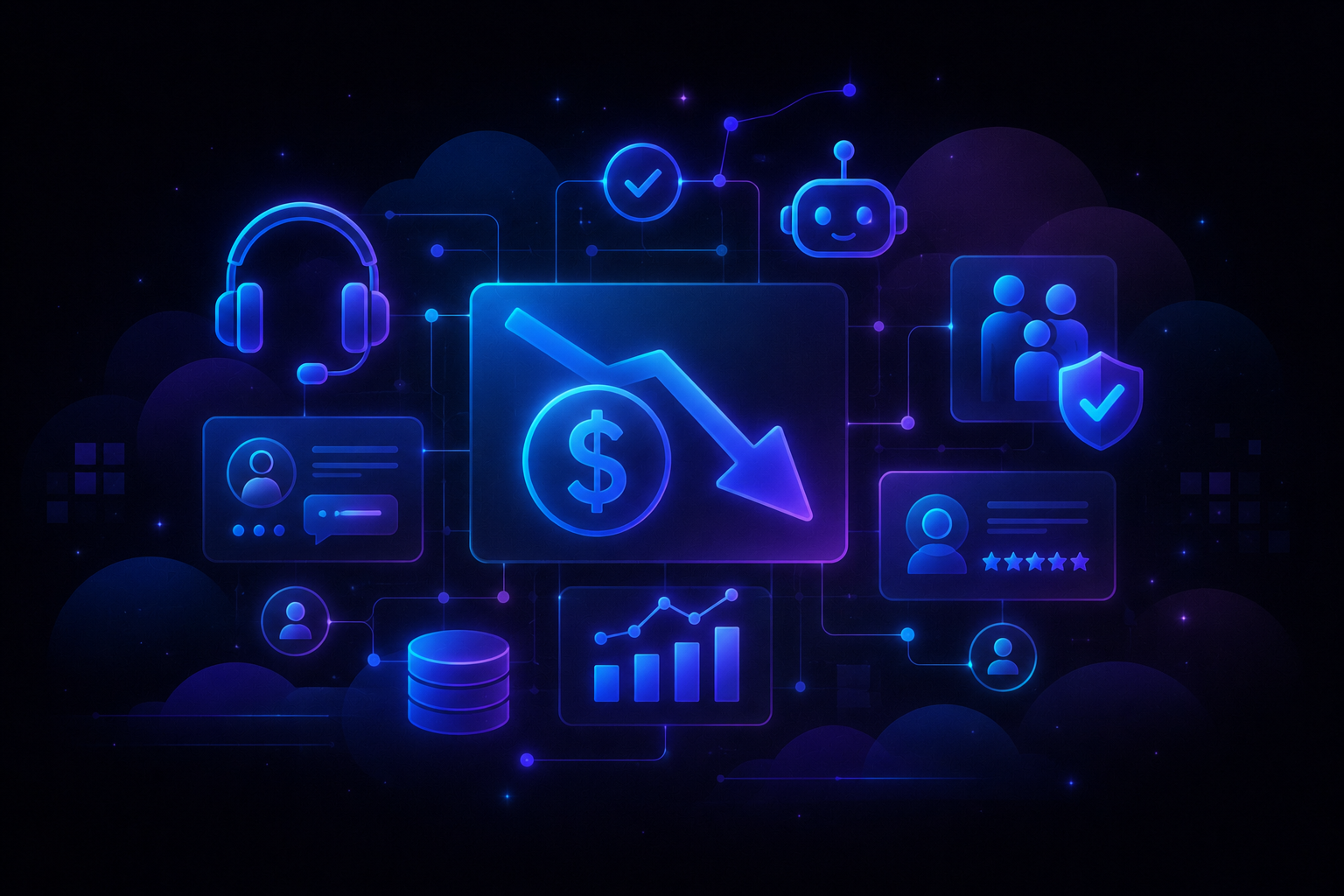
Support cost per conversation stays predictable even as volume triples, since AI absorbs the routine spike that would otherwise require seasonal hires or overtime. A brand's biggest sales days stop being its most expensive support days.
Frequently Asked Questions About QuantumDesk and High-Volume D2C Support
1. How does QuantumDesk help D2C teams handle high-volume customer conversations?
QuantumDesk unifies every channel into one inbox, resolves routine conversations automatically using live Shopify data, and routes VIP or frustrated shoppers to senior agents ahead of routine volume.
Conversations that need a human reach agents with full context already surfaced, so a surge in total volume does not translate into a surge in agent workload.
2. Can QuantumDesk handle a sudden spike in conversations during a flash sale?
Yes. Quantum AI resolves shipping updates, order edits, and basic returns instantly regardless of how much volume arrives at once, since resolution does not depend on agent availability.
The AI-curated inbox also ensures that as volume grows, the most urgent and high-value conversations still surface first rather than getting buried in the increase.
3. How does QuantumDesk prioritize VIP customers during busy periods?
QuantumDesk's AI-curated inbox automatically classifies incoming conversations by customer value, sentiment, and urgency, flagging VIP shoppers and visibly frustrated customers for immediate routing.
Those conversations go straight to senior agents rather than waiting in the same queue as routine order-status questions, preserving the personalized experience high-value customers expect.
4. Does QuantumDesk reduce the number of contacts generated during a sale, not just process them faster?
Yes. Proactive automated delivery alerts and status updates are sent before a customer has to ask, which prevents a meaningful share of WISMO contacts from being generated in the first place.
Fewer contacts generated means a smaller queue overall, which compounds with faster resolution to reduce total support load during a surge.
5. Does QuantumDesk replace the need for seasonal or temporary support hires?
For most D2C brands, yes for routine volume. Quantum AI absorbs the repetitive questions that typically drive seasonal hiring, so teams can handle a multi-fold increase in order volume without a matching increase in headcount.
Complex or high-emotion conversations still reach a human agent, working with full context already surfaced by the copilot and AI-curated inbox.
6. Does QuantumDesk work with Shopify during high-order-volume periods like flash sales?
Yes. QuantumDesk connects directly to Shopify order and customer data, so Quantum AI always has accurate, real-time order information behind every automated response, even when order volume is at its highest.
Brands running Shopify Plus across multiple storefronts get the same native data connection during a surge as they do on an ordinary day, without any separate configuration for peak periods.



.avif)