Summarize with AI
Key Takeaways
- QuantumDesk resolves repetitive WISMO and return questions instantly using live Shopify data, clearing the majority of ticket backlog before an agent ever sees it.
- Automated tagging and sentiment analysis triage every incoming ticket by intent and urgency, so churn-risk conversations bypass the queue and reach senior agents first.
- Quantum AI triggers autonomous refunds, cancellations, and exchanges directly on Shopify, closing simple tickets without an agent manually processing each request.
- Agent Copilot drafts on-brand replies and summarizes long threads in seconds, so agents clear a backlog faster instead of rereading entire conversation histories.
- As AI resolution rate rises, backlog stops compounding, letting D2C support teams stay caught up without adding headcount every time ticket volume grows.
Most D2C support backlogs are not made of hard problems. They are made of hundreds of easy ones arriving faster than a team can reply, until "where is my order" and "can I exchange this" questions from three days ago are still sitting untouched at the bottom of the queue.
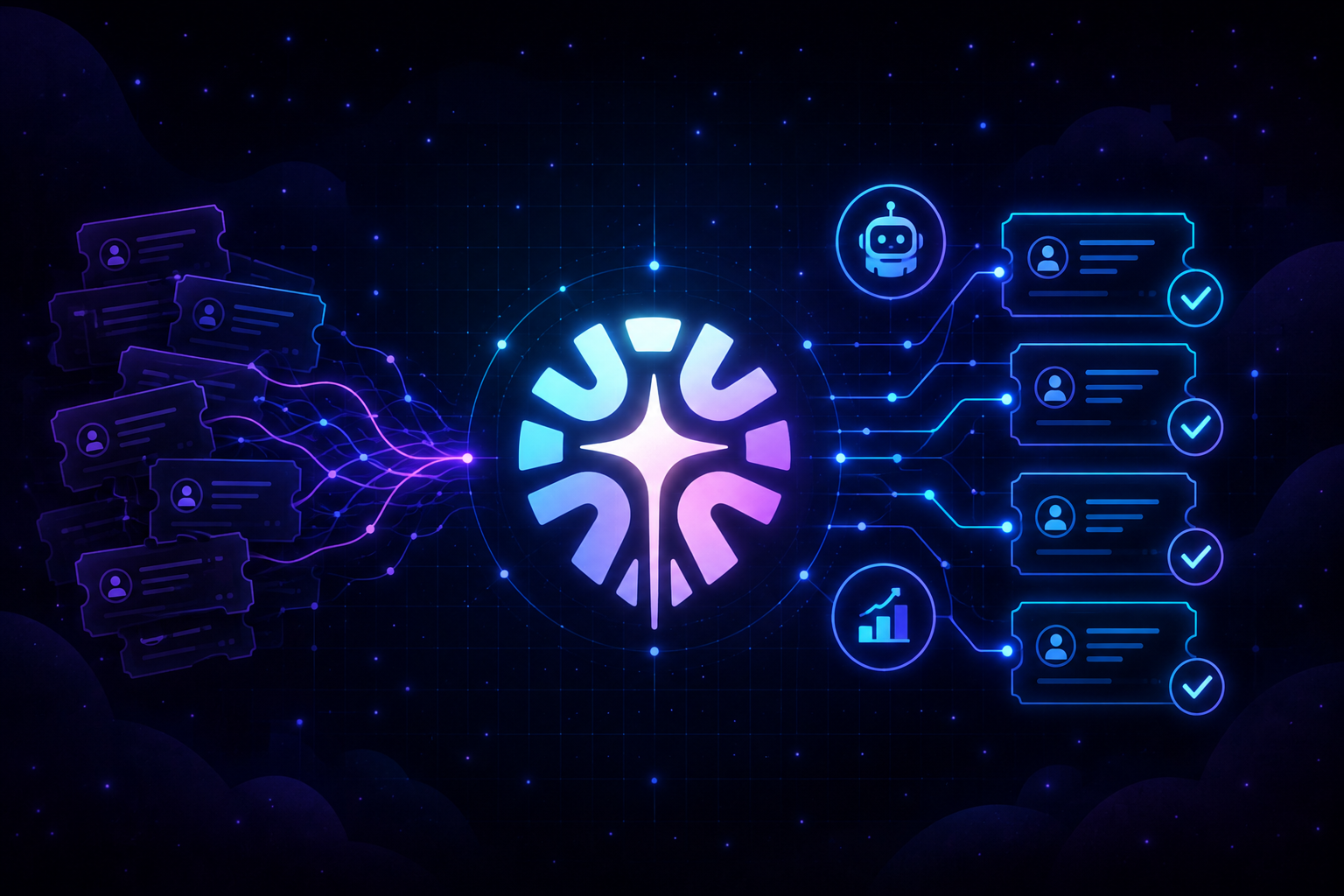
QuantumDesk is an AI-native helpdesk platform that deflects repetitive tickets before they reach an agent, triages and tags everything that remains by intent and urgency, and equips agents with drafted replies and instant thread summaries, so a growing backlog stops being the default state of the inbox.
You will learn about:
- Why ticket backlogs form in the first place: Repetitive questions and manual triage consume agent time faster than new tickets can be cleared.
- How QuantumDesk clears backlog with AI: By deflecting routine questions, automating tagging and routing, and giving agents drafted replies and summaries.
- What outcomes support teams can expect: A shrinking backlog, faster resolution times, and a support cost that does not rise in lockstep with ticket volume.
This article covers why backlogs build up in D2C support specifically, where the time actually goes, and what it takes to clear a backlog with AI instead of headcount.
Why Ticket Backlogs Are a Growth Problem for D2C Support Teams
A backlog rarely starts as a crisis. It starts as a few dozen tickets that roll over from one day to the next, and then compounds every day the team stays behind.
The structural reasons backlog builds faster than teams can clear it:
- The same questions repeat at scale: order status, sizing, and return eligibility do not change from customer to customer, yet each one still becomes its own ticket.
- Manual triage eats time before a reply is even sent: an agent reading, tagging, and routing a ticket by hand spends real time on every conversation before resolving anything.
- Unresolved tickets generate follow-up messages: a customer who does not hear back in a day sends a second message, then a third, turning one backlog item into several.
This is not just a queue-depth problem. A backlog made of repetitive questions is one of the clearest signals that a team needs to reduce repetitive support questions before adding another agent to work through them by hand.
Why This Problem Gets Worse as D2C Brands Scale
Backlog does not grow at the same rate as order volume. It grows faster, because every new order adds not just one potential ticket but several touchpoints where something can go wrong.
What compounds backlog as a D2C brand scales:
- More channels mean more entry points, and a ticket opened on WhatsApp, then followed up over email, often gets logged and worked twice.
- Returns spike during and after every sale, and each one generates a multi-step conversation instead of a single resolved ticket.
- Customers escalate faster once they feel ignored, turning a routine WISMO question into a public complaint if it sits too long.
A Shopify apparel brand running a seasonal sale can end a single week with a backlog larger than the rest of the quarter combined, most of it repetitive questions the team never had time to systematically clear.
Left unmanaged, this is exactly what drives brands to reduce return support backlog as a standalone project rather than a normal part of weekly operations.
What Is QuantumDesk and How Does It Help D2C Teams Reduce Ticket Backlogs?
QuantumDesk is an AI-native helpdesk platform built to resolve and route tickets automatically, rather than leaving every incoming conversation for an agent to read, tag, and answer by hand.
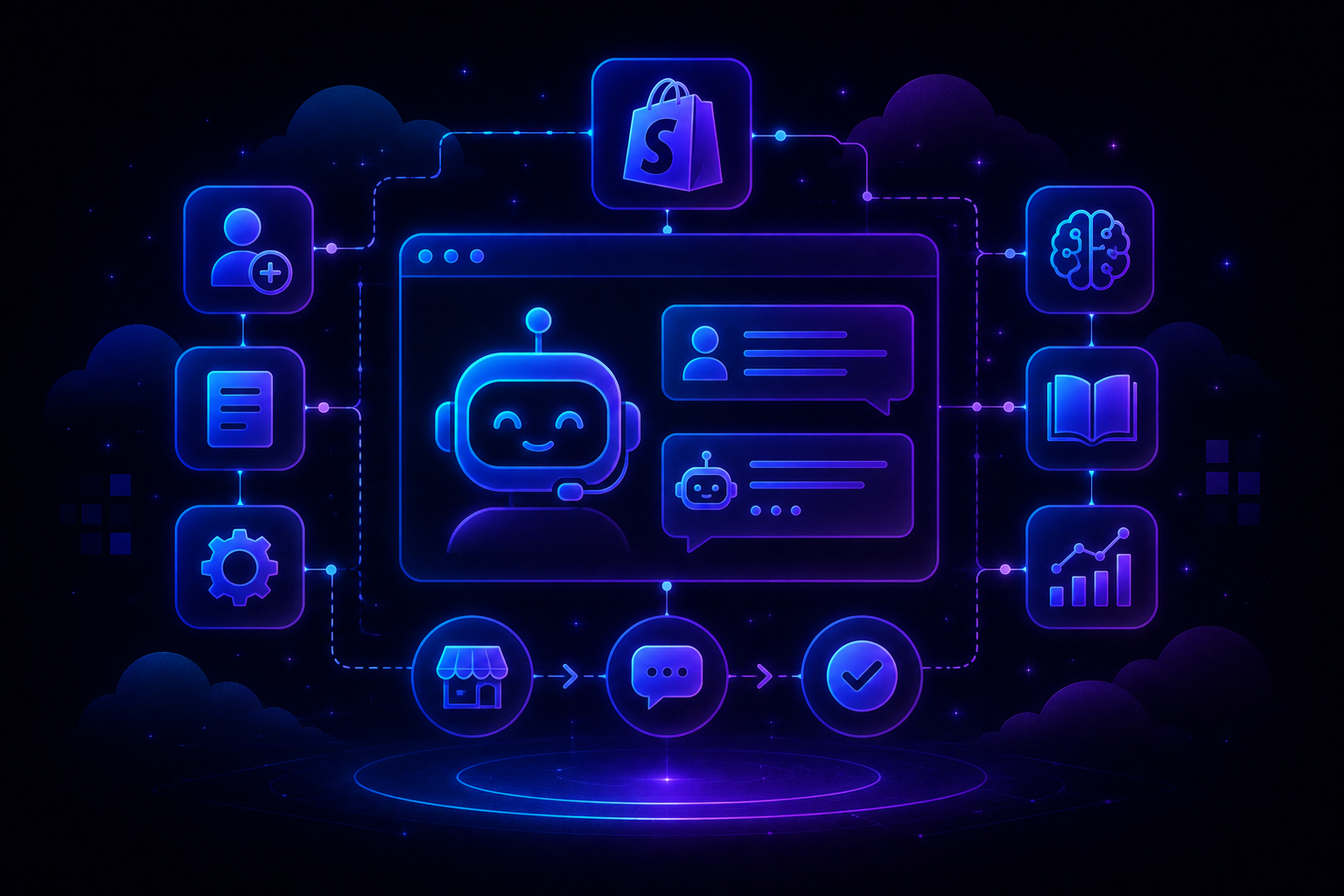
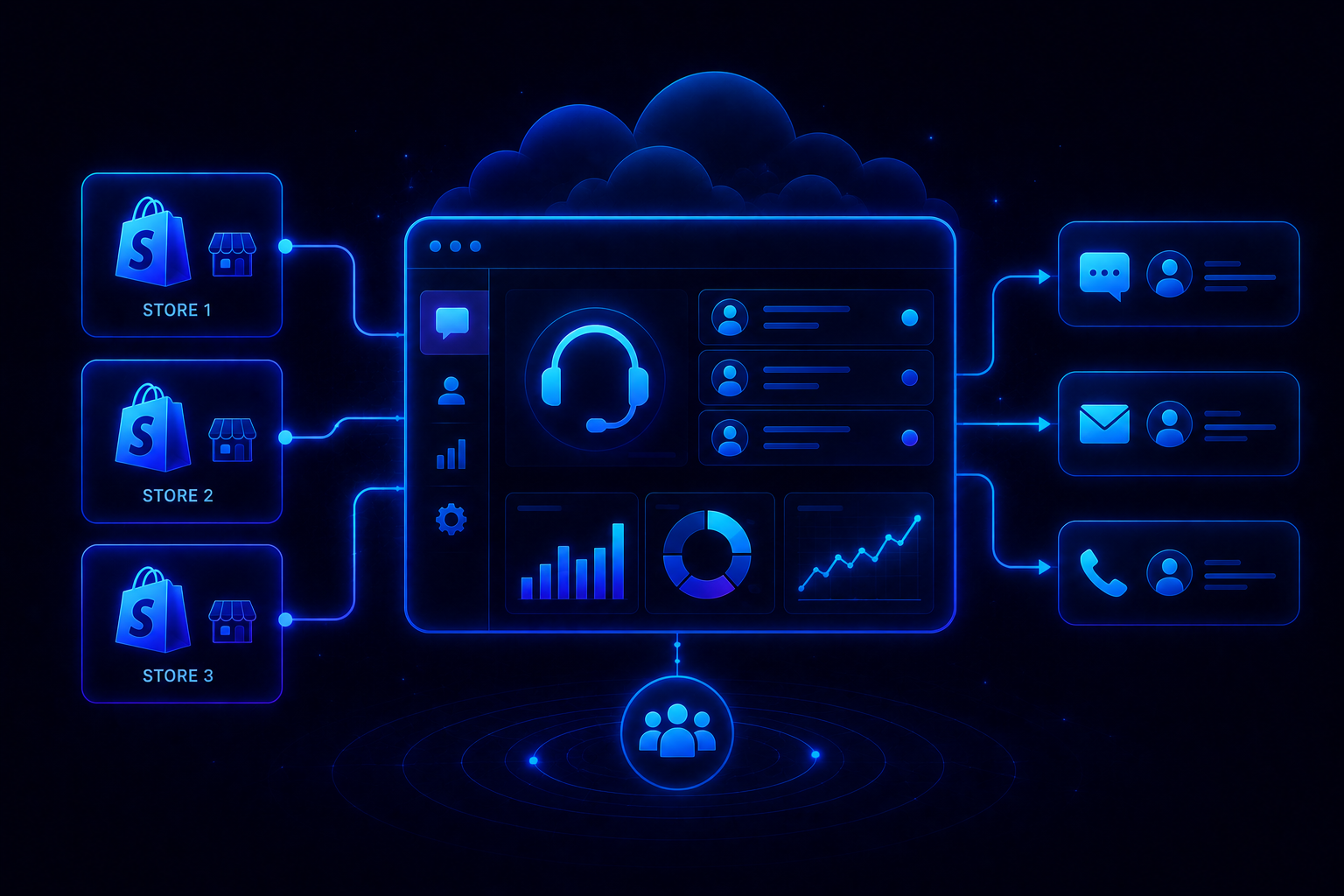
For support directors managing backlog, the goal is not just faster agents. QuantumDesk connects directly to Shopify order and customer data to resolve routine tickets on its own, tag and prioritize what remains, and hand agents everything they need to clear the rest quickly.
The platform combines four capabilities to keep backlog from building up in the first place:
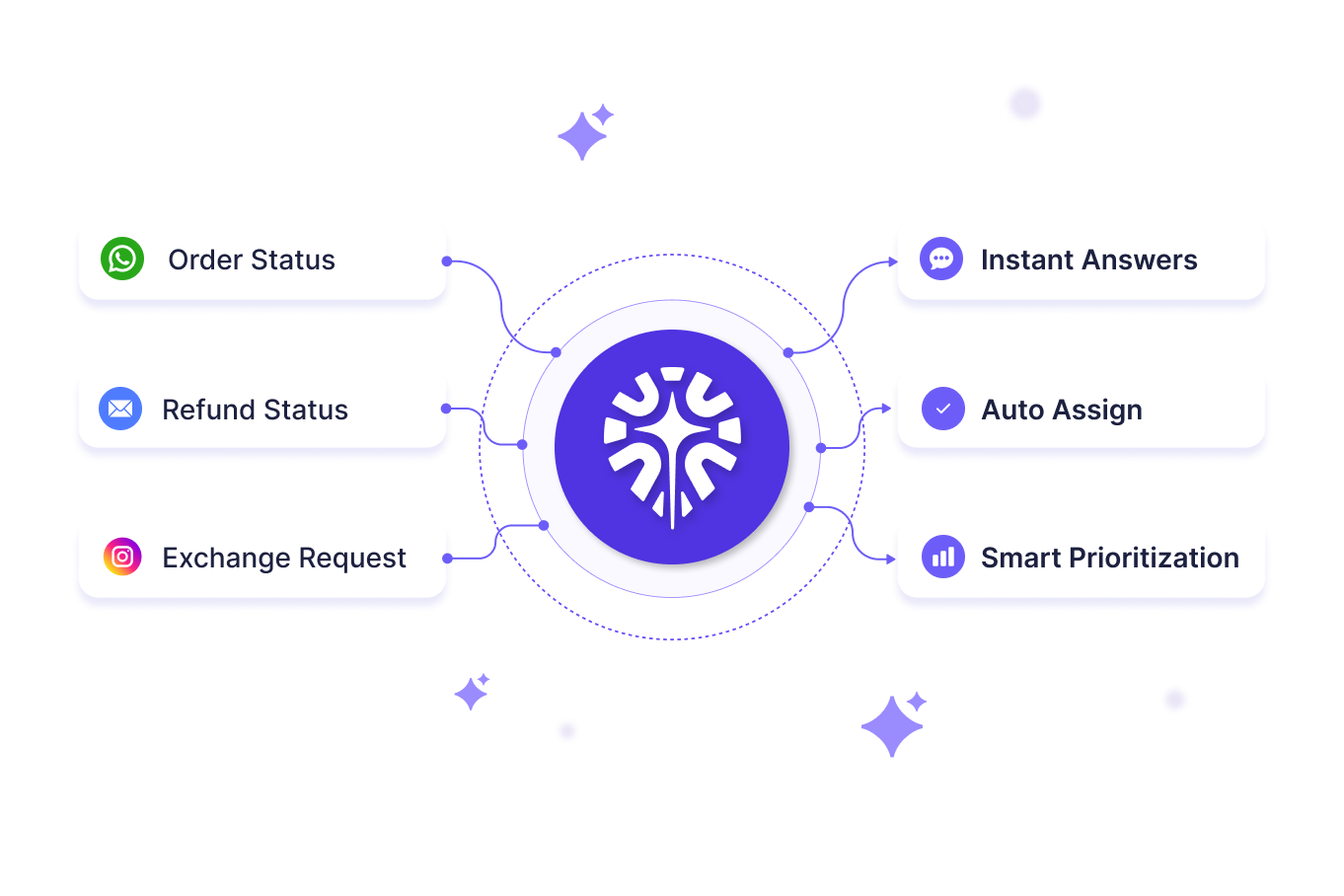
- Instant self-service deflection answers WISMO and return questions before a ticket is created, using live Shopify order data.
- Autonomous actions trigger refunds, cancellations, and exchanges directly through Shopify, closing simple tickets without manual processing.
- Automated tagging and priority routing classify every incoming ticket by intent and sentiment, so urgent tickets never wait behind routine ones.
- Agent Copilot drafts on-brand replies and summarizes long threads, so agents clear their share of the backlog faster.
Where D2C Support Teams Lose the Most Time to Ticket Backlog
Backlog rarely comes from one broken process. It builds from three recurring patterns that show up in nearly every D2C support queue.
1. Repetitive WISMO and Return Questions Piling Up
"Where is my order?" and "can I exchange this?" account for a disproportionate share of most backlogs, since every order placed generates its own version of the same question.
What makes this category so hard to clear manually:
- Each ticket requires the same lookup, checking a tracking number or return eligibility that rarely changes between customers.
- Answers arrive too late to matter, since a manually processed reply often lands after the customer has already messaged again.
- Volume outpaces manual clearing, exactly the pattern behind teams needing to reduce "where is my order" tickets before backlog becomes unmanageable.
2. Manual Triage and Tagging Before an Agent Ever Replies
Before an agent can even answer a ticket, someone has to read it, decide what it is about, and route it to the right place.
What manual triage costs a team already behind:
- Every ticket gets read twice, once to triage and again to actually resolve, doubling the handling time on tickets that were already simple.
- Tagging drifts out of date under pressure, so reporting on backlog causes becomes unreliable exactly when leadership needs it most.
- Context gets lost between the triage step and the reply, the same fragmentation covered in our guide on how to unify customer support into one inbox.
3. Complex Threads That Take Agents Too Long to Read
A single customer issue that spans five messages across two channels takes real time to read and understand before an agent can even begin drafting a reply.
Why long threads slow backlog clearing more than their ticket count suggests:
- Rereading a full history before every reply adds minutes to tickets that should take seconds, especially when a conversation spans channels.
- Agents default to skimming under pressure, increasing the odds of a reply that misses context and generates yet another follow-up.
- This is exactly the strain behind support agent burnout during high-return, high-volume windows, when backlog and complexity build at the same time.
These three patterns share a root cause: agents spending time on reading and routing instead of resolving, while backlog grows in the gap.
How QuantumDesk Helps D2C Support Teams Reduce Ticket Backlogs
Clearing backlog with AI means resolving or routing a ticket before it ever waits in a queue for a human to triage. QuantumDesk does this by combining four capabilities.
1. Instant Self-Service Deflection
Quantum AI answers WISMO, sizing, and return-eligibility questions instantly using live Shopify order data, before a ticket is ever created for an agent to work through.
A customer asking about their order at any hour gets an accurate answer immediately, which means a meaningful share of potential backlog never reaches the queue at all.
2. Autonomous Actions on Live Shopify Data
Quantum AI securely triggers refunds, cancellations, and exchanges directly through Shopify, closing simple tickets end to end without an agent manually processing each request.
This is what turns automated refund and exchange status updates from a nice-to-have into a real backlog reduction lever, since the ticket closes itself instead of waiting for manual action.
3. Automated Tagging and Priority Routing
Natural language processing tags every incoming ticket by intent and sentiment the moment it arrives, so backlog reporting stays accurate without a human tagging each one by hand.
Urgent or high-risk churn signals bypass the general queue entirely and route straight to senior agents, the same triage logic behind well-designed AI chatbot escalation rules.
4. Agent Copilot That Drafts and Summarizes
QuantumDesk's Agent Copilot drafts contextual, on-brand replies that agents can approve with one click, instead of writing every response from a blank screen.
Long multi-channel threads get condensed into a short summary before an agent opens them, cutting the read time that quietly adds up across a full backlog.
How QuantumDesk Helps Agents Handle the Tickets That Still Need a Human
Not every ticket in a backlog should be automated. A policy exception, a genuinely upset customer, or an unusual order issue still needs a person to make the call.
1. Agent Copilot
The moment a complex ticket reaches an agent, QuantumDesk's copilot surfaces full order history, prior conversations, and a suggested reply, so the agent starts from an informed draft instead of a blank one.
2. AI-Curated Inbox
Agents work a prioritized queue, not a flat list sorted by arrival time. Tickets already resolved by AI never reach them, and what remains is ranked by urgency and sentiment automatically.
3. Unified Customer Context
Whether a customer messaged on email yesterday and WhatsApp today, agents see the full thread in one place. Nobody has to piece together history across tabs while a backlog is already growing.
Protecting agents from repetitive volume is what actually lets a team clear backlog instead of just keeping pace with new tickets arriving.
Why Traditional Helpdesk Software Struggles to Clear Ticket Backlogs
Most helpdesk platforms are still built around organizing tickets for a human to work through, not resolving them before they ever need one.
- Every ticket still needs a human to close it. Even platforms that describe themselves around conversational customer service, the framing tools like Gorgias use, are largely built to route tickets to agents rather than resolve them automatically.
- Tagging and routing happen manually or through basic rules. Without natural language processing behind it, triage still consumes agent time before a single reply gets written.
- Shopify actions require a second tool or tab. Refunds and exchanges processed outside the helpdesk add steps that slow down exactly the tickets that should close fastest.
- The only real lever left is headcount, and hiring more agents does not actually fix a support system that was never built to resolve tickets on its own.
Clearing a backlog for good means resolving and routing automatically at the source, not adding people to work through the same structural problem faster.
AI Resolution Rate: QuantumDesk's Core Advantage for Clearing Backlogs
Ticket count and response time are useful during a normal week, but neither one explains whether a backlog is shrinking or just being worked through slightly faster.
The metric that actually predicts whether backlog clears is AI resolution rate: the share of tickets resolved automatically, regardless of how many total tickets arrive in a given week.
Why this matters more than agent headcount for backlog specifically:
- A higher resolution rate shrinks backlog directly, since fewer tickets ever reach the queue an agent has to work through.
- Resolution happens the moment a ticket arrives, not whenever an agent becomes available, which is the difference between staying caught up and falling behind.
- This is the same logic behind improving first contact resolution rate with AI, applied to an entire backlog instead of one conversation at a time.
A team does not clear a backlog by working faster. It clears one by making sure most tickets never need a human in the first place.
What D2C Support Teams Can Expect From QuantumDesk
Outcomes depend on ticket mix, Shopify configuration, and how complete the knowledge base is. The categories of impact are consistent across teams.
1. Operational Outcome
Backlog stops growing faster than the team can clear it, since routine tickets resolve automatically instead of waiting in line behind manual triage. Queue depth trends down instead of rolling over week to week.
2. Customer Outcome
Customers get an accurate answer in seconds instead of waiting behind a backlog they cannot see. Urgent and high-risk tickets reach a senior agent immediately instead of sitting in the same queue as routine questions.
3. Financial Outcome
Clearing backlog with automation instead of headcount keeps support cost predictable even as order volume grows, exactly what lets a team scale D2C customer support without increasing headcount every time volume spikes.
Frequently Asked Questions About QuantumDesk and D2C Ticket Backlogs
1. How does QuantumDesk help D2C support teams reduce ticket backlogs?
QuantumDesk deflects repetitive WISMO and return questions before they become tickets, automatically tags and routes everything that remains, and gives agents drafted replies and thread summaries to clear the rest faster.
Together, these reduce both how much backlog forms and how long it takes agents to work through what does.
2. Can QuantumDesk clear an existing backlog, or only prevent new tickets from piling up?
Both. Quantum AI can resolve eligible tickets already sitting in the queue using live Shopify data, while Agent Copilot summarizes and drafts replies for older, more complex threads agents still need to handle.
New backlog also stops forming as quickly, since a growing share of incoming tickets never need a human at all.
3. How does QuantumDesk decide which tickets need a human agent?
QuantumDesk's AI-curated inbox classifies every incoming ticket by intent, sentiment, and urgency, automatically flagging churn-risk signals and complex requests for a senior agent instead of leaving that decision to manual triage.
Routine, low-risk tickets that Quantum AI can resolve confidently are closed automatically, without ever reaching an agent's queue.
4. Does automating ticket resolution reduce response quality?
No. Quantum AI resolves tickets using live Shopify data, so automated answers are accurate rather than generic. Agents, in turn, get more time per complex ticket instead of rushing through a flooded queue.
The result is typically higher quality on both ends: faster automated answers and more thorough human ones.
5. Does QuantumDesk reduce the number of tickets created, not just process them faster?
Yes. Instant self-service deflection and proactive answers to common questions prevent a meaningful share of tickets from being created in the first place, rather than just resolving them more quickly once they arrive.
Fewer tickets created compounds with faster resolution, which is what actually shrinks a backlog instead of just keeping it stable.
6. Does QuantumDesk work with Shopify to automate ticket resolution?
Yes. QuantumDesk connects directly to Shopify order and customer data, so Quantum AI can resolve tickets and trigger actions like refunds and exchanges without an agent switching to a separate admin tab.
Brands running Shopify Plus across multiple storefronts get the same native data connection, so backlog reduction works the same way regardless of how many storefronts are generating tickets.



.avif)