Summarize with AI
Key Takeaways
- D2C brands relying on manual support average response times measured in hours, while customers who do not hear back within minutes are more likely to disengage from the brand entirely.
- QuantumDesk resolves up to 70% of routine D2C support queries instantly using AI, cutting first response time from hours to seconds across every channel.
- QuantumDesk's AI-curated inbox classifies, prioritizes, and routes incoming contacts automatically, so agents respond first to the issues that matter most.
- Quantum AI operates 24/7 across email, WhatsApp, Instagram DM, and live chat, ensuring customers receive an accurate first response at any hour without agent involvement.
- As AI resolution rate increases, first response time improves across every channel and agents focus on the contacts that genuinely require human judgment.
D2C brands lose customers quietly. Not always through bad products or poor fulfillment, but through support that responds too slowly.
A customer who messages about a damaged order at 9 pm and hears nothing until the next morning has already formed an opinion about the brand before an agent responds.
QuantumDesk is an AI-native helpdesk platform that resolves the majority of D2C support queries instantly across every channel, so first response time drops from hours to seconds without expanding the support team.
From this article, you will learn about:
- Why slow first response time is a growth problem for D2C brands: Customers expect a response within minutes regardless of channel or time of day, and every delay compounds into lower CSAT, higher churn, and fewer repeat purchases.
- How QuantumDesk improves first response time: By resolving routine queries automatically through AI using live order and product data, and by routing complex contacts to agents with full context already surfaced.
- What outcomes D2C brands can expect: Faster first responses across all channels, higher CSAT scores, and a support operation that handles more volume without relying on headcount to absorb it.
This article focuses on the specific reasons D2C support teams struggle with first response time, where the delays come from, and what it takes to fix the problem at its source.
Why First Response Time Is a Growth Problem for D2C Brands
First Response Time is the most visible support metric from a customer's perspective. It does not matter how well an issue is ultimately resolved if the customer waited four hours for anyone to acknowledge their message.
For D2C brands built on repeat purchases and word-of-mouth growth, that delay has a direct business cost. The problem is not that agents are working slowly. It is that most D2C support queues are structured in a way that makes fast first responses impossible to sustain at scale.
A D2C brand processing 2,000 monthly orders can receive 600 to 800 support contacts in the same period. If each agent handles 40 to 50 contacts per day, the math works.
At 5,000 monthly orders, the same team is overwhelmed and first response time climbs regardless of how hard agents work.
The structural reasons FRT degrades at scale:
- Routine queries dominate the queue, consuming the agent bandwidth that should be available for complex, urgent contacts
- Contacts arrive outside business hours when no agents are available, meaning every overnight message is already hours old by the time it is seen
- Multi-channel fragmentation means the same customer might have already messaged through email and WhatsApp before an agent opens the first ticket
Slow FRT is a business problem, not just an operational one. Poor post-purchase support directly affects repeat purchase rates.
A customer who waited four hours for a response about a damaged item is not thinking about the resolution. They are thinking about whether to order again.
Ready to Improve First Response Time Across Every Channel? Resolve routine D2C support queries instantly with AI, route complex contacts to agents in seconds, and deliver faster responses without growing your team → Book a Demo
Why This Problem Gets Worse as D2C Brands Grow
Customer expectations around response time have not adjusted to account for growing support queues. What D2C shoppers now expect by default:
- A response within minutes, not hours, regardless of whether the contact was sent at 2 pm on a Tuesday or 11 pm on a Sunday
- Consistent response speed across every channel, whether they reach out via email, WhatsApp, or Instagram DM
- No repetition of context when they follow up, because repeating their order number or issue to a second agent feels like a failure of the brand
Managing support across multiple channels compounds the FRT problem in a way that single-channel operations do not face.
A customer who emails, waits two hours, then messages on WhatsApp has generated two tickets for the same issue. Each needs a first response, and neither has context about the other.
As D2C brands scale, their customer base becomes more geographically diverse. Contacts arrive from different time zones, at hours outside whatever shift the support team covers.
Every contact sent outside business hours misses any FRT target the team has set, regardless of how efficiently agents work during their shifts.
Reducing first response time at scale requires a different operational approach, not just more agents covering more hours.
What Is QuantumDesk and How Does It Help D2C Brands?
QuantumDesk is an AI-native helpdesk platform built to resolve customer conversations rather than organize them into queues for agents to work through.
For D2C brands, the clearest application is first response time. The queries that dominate D2C queues- WISMO requests, return eligibility questions, and shipping policy questions, are all answerable immediately with the right data.
QuantumDesk connects to live order and product data to answer those queries automatically, without a ticket being created or an agent involved.
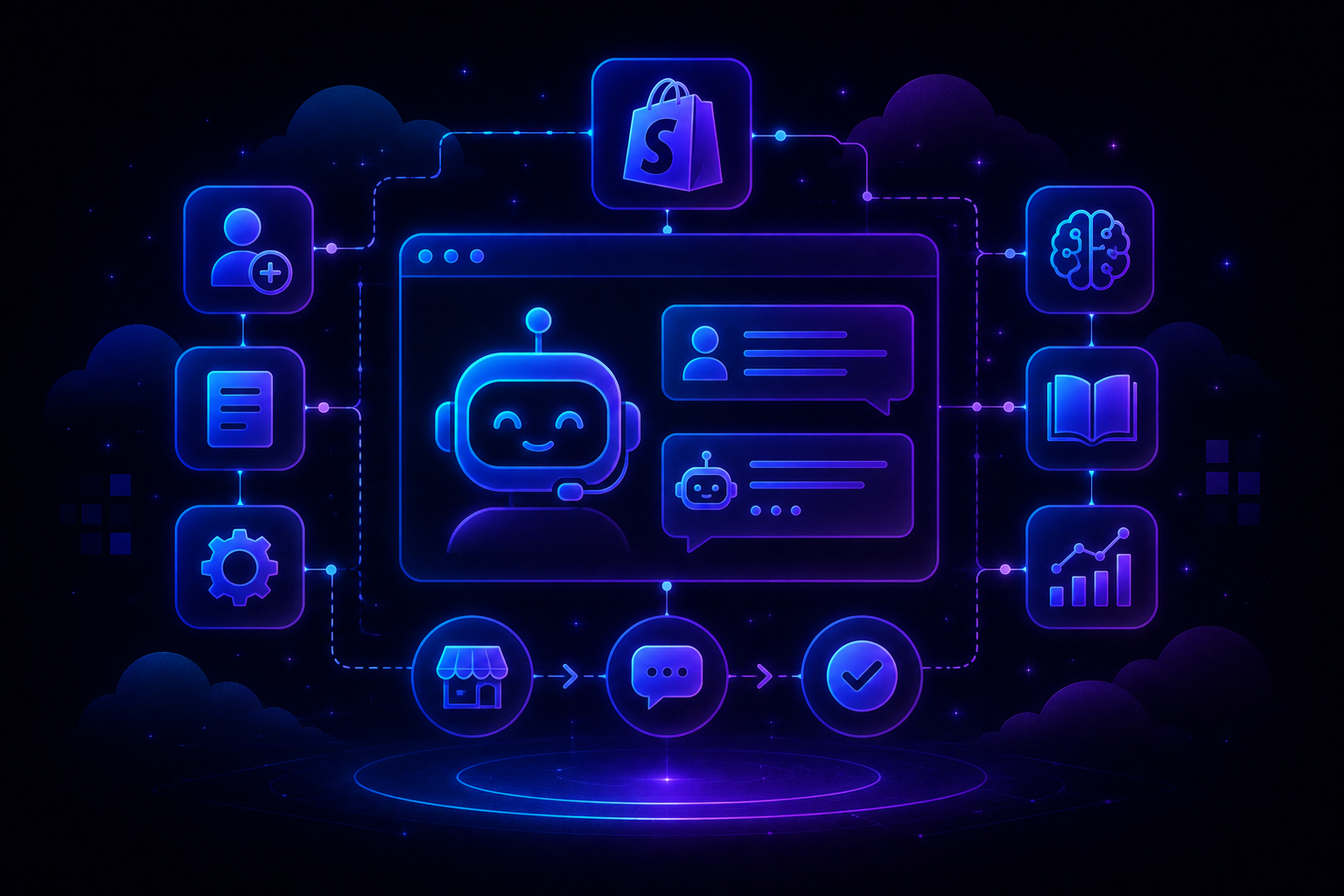
The platform combines three capabilities to ensure D2C customers receive fast, accurate first responses regardless of channel or time of contact:
- AI resolution that handles routine queries instantly using live order and product data, before they enter an agent queue
- An AI-curated inbox that classifies incoming contacts by intent and urgency, so agents see the most important issues first
- Automated proactive communication that gets ahead of common questions before customers need to ask
Where D2C Support Teams Spend Most of Their Time
A D2C support queue looks varied on the surface. In practice, the majority of volume comes from a small number of repetitive inquiry types that require the same data to answer.
Understanding where agent time actually goes is the starting point for reducing first response time.
1. High-Volume Routine Queries
WISMO requests, return eligibility questions, refund status updates, and product information contacts dominate most D2C support queues. Each one has a predictable answer requiring no genuine judgment to provide.
But each still requires an agent to look up order data, check a policy, or reference a knowledge base before they can respond.
What makes routine queries such a persistent FRT problem:
- Every routine contact that enters the human queue delays the first response to every other contact waiting behind it
- The answer rarely changes, but the manual lookup process is identical every single time regardless of how many times the same question has been answered
- Peak periods amplify the problem, because routine query volume spikes with order volume while agent capacity does not increase at the same rate
2. Multi-Channel Contact Fragmentation
D2C customers reach out through whichever channel is most convenient: WhatsApp, Instagram DM, email, or live chat. When those channels feed into separate inboxes, agents work multiple queues with no visibility into prior contacts from the same customer.
What multi-channel fragmentation does to first response time:
- The same contact arrives across two or three channels before any first response has been sent, because the customer did not receive a timely reply on the first channel they tried
- Agents triage manually across disconnected inboxes, which itself consumes time that could go toward first responses
- Duplicate contacts add volume to an already-full queue, pushing first response times higher for every other contact waiting
3. After-Hours and Off-Peak Contacts
A significant share of D2C support contacts arrive outside business hours. Customers shop in the evening, on weekends, and across different time zones. Every contact sent when no agents are available is already hours old by morning.
What after-hours contacts do to FRT targets:
- Every overnight message starts the next business day with a first response that is already four to eight hours behind
- Weekend contact volume compounds across two full days before any agent addresses it on Monday morning
- Customers who do not receive a response often send a follow-up, adding a second contact to the queue for the same unresolved issue
These three patterns are structural, not operational. Better macros and more motivated agents do not address them. The FRT problem is embedded in how the support operation is designed, not how hard the team works.
How QuantumDesk Improves First Response Time for D2C Brands
The most direct way to improve first response time is to resolve a query before a human agent needs to respond to it.
When a customer receives an accurate answer in the channel they used to ask, FRT is measured in seconds, not hours. QuantumDesk delivers that outcome through three interconnected capabilities.
1. AI-Powered Instant Resolution
QuantumDesk connects to live order management, carrier data, and the brand's knowledge base to resolve routine D2C queries automatically. A customer asking about their order status receives a real-time response in seconds.
A customer asking about return eligibility receives an accurate answer based on the brand's configured policy, without any agent involvement.
2. AI-Curated Inbox and Intelligent Triage
For contacts that require a human, QuantumDesk's AI-curated inbox classifies conversations by intent, urgency, and sentiment. Complex contacts surface first; routine auto-resolvable contacts are removed from the human queue.
Agents open their inbox to organized, prioritized work rather than a flat list to sort through before responding to anything.
3. Proactive Outbound Communication
QuantumDesk automates outbound notifications at key moments in the order lifecycle: dispatch confirmation, shipping updates, delivery confirmation, and return processing status. Customers receive information before uncertainty builds into a contact.
A customer who receives a proactive delivery update does not need to message about their order. The contact does not happen and the FRT metric is never tested.
The practical result is that a meaningful share of D2C support contacts are either resolved automatically in seconds or never generated at all. The contacts that reach agents arrive faster, with better context.
How QuantumDesk Helps Agents Respond Faster to Complex Contacts
Not every D2C support contact can be resolved automatically. A return outside the policy window, an order shipped to the wrong address, or a payment dispute: those require a human to decide.
QuantumDesk is designed to ensure those contacts reach agents with everything they need to respond immediately, without spending time gathering information before the first reply.
1. Agent Copilot
When a complex contact reaches an agent, the clock on first response time is already running. QuantumDesk's AI copilot surfaces full contact context the moment a ticket opens, so the agent's first response is informed rather than generic.
What agents see the moment a ticket opens:
- Full order and customer history, including prior contacts across every channel the customer has used
- Issue classification and intent, already identified so the agent understands the problem before reading the full thread
- Suggested response options drawn from the brand's knowledge base, ready to review and send
2. AI-Curated Inbox
Complex contacts reach agents faster when they are not buried under routine queries. QuantumDesk's AI-curated inbox ensures the contacts that genuinely require human judgment are at the top of the queue.
How QuantumDesk organizes the agent queue:
- Contacts are ranked by urgency and sentiment before any agent touches them, so high-priority issues are visible immediately
- Routine contacts resolved by AI are removed from the human queue before they slow response to everything waiting behind them
- Agent workload is matched to contact complexity without manual triage consuming time that could go toward first responses
3. Unified Customer Context
D2C customers contact support through whichever channel is most convenient. An agent who cannot see that a customer already messaged on WhatsApp yesterday will ask for context already provided, delaying the first useful response.
What agents access in a single workspace:
- Full channel history, including conversations across email, WhatsApp, Instagram DM, and live chat
- Order and account data pulled directly from integrated systems, without a separate tab or lookup
- Prior resolution history, so agents understand what has already been communicated before composing a reply
When agents spend less time gathering information and more time responding, first response time drops across every contact that reaches the human queue.
Why Traditional Helpdesk Software Struggles to Improve First Response Time
Most helpdesk platforms were designed around the assumption that a human agent handles every contact. That assumption is what creates the FRT ceiling most D2C brands eventually hit.
1. Routine Queries Consume Agent Availability
Traditional helpdesks route every inbound contact to an agent queue regardless of whether the contact requires human judgment.
WISMO queries and policy questions consume the same agent capacity as complex disputes, leaving agents too occupied with automatable work to respond quickly to anything that actually needs them.
2. No 24/7 Resolution Without Staffing Costs
Traditional helpdesks have no mechanism to respond to after-hours contacts automatically. Every overnight or weekend contact waits until the team is back online.
Extending coverage requires shift work, contractors, or outsourced support, all of which add cost without reducing the routine query volume that AI handles better.
3. Channels Are Managed in Isolation
Most traditional helpdesks handle email natively and add other channels as integrations without a shared context layer. Agents working one channel cannot see what was said on another without switching tools.
Managing omnichannel customer support with disconnected inboxes slows first response time because triage itself takes time before any response begins.
4. Efficiency Improvements Hit a Hard Ceiling
Better macros and faster routing reduce handle time but do not reduce the volume of contacts entering the human queue.
Once efficiency gains are exhausted, the only remaining lever is headcount, which adds cost but does not structurally improve first response time for after-hours contacts.
Improving FRT structurally requires removing routine contacts from the human queue, not making the queue move faster. If you are evaluating your options, this overview of customer service software for D2C brands covers how platforms approach this differently.
AI Resolution Rate: QuantumDesk's Core Advantage for D2C Brands
First Response Time is a useful metric. But it measures the symptom, not the cause. A team with a fast average FRT may still have agents spending their entire shift on queries AI could resolve in seconds.
The metric worth tracking alongside FRT is AI resolution rate: the percentage of contacts resolved automatically without any agent involvement.
QuantumDesk centers on AI resolution rate as its primary performance measure. For D2C brands, improving first contact resolution with AI is what turns FRT from a staffing problem into a design choice.
When AI resolves 60 to 70% of inbound queries automatically, the contacts that reach agents are manageable in volume, better prioritized, and arrive with full context already surfaced.
Why AI resolution rate is the right metric alongside FRT for D2C brands:
- A higher AI resolution rate means fewer contacts waiting in the human queue, which directly reduces first response time for everything that does require an agent
- 24/7 AI availability eliminates the after-hours FRT gap without shift extensions or outsourced coverage adding to cost
- Customers receive an accurate first response in seconds regardless of when they contact or which channel they use, not based on when an agent is next available
The brands that improve FRT sustainably are not the ones that hire faster or extend shifts further. They are the ones that redesign how many contacts reach a human in the first place.
What D2C Brands Can Realistically Expect From QuantumDesk
Outcomes depend on order volume, integration completeness, and how well the brand's return and shipping policies are documented in the knowledge base. The categories of impact are consistent across implementations.
1. Operational Outcome
First response time drops as AI resolves routine queries before they enter the human queue, and the AI-curated inbox ensures agents are always responding to the highest-priority contacts first.
- Agents spend their shift on contacts that require judgment, not on routine lookups that AI handles in seconds
- After-hours contacts receive an immediate AI-powered first response rather than waiting until the next business day
- Queue depth decreases as AI resolution rate increases, allowing agents to respond faster to the contacts that do reach them
2. Customer Outcome
Customers receive accurate first responses in seconds, regardless of when they contact or which channel they use.
- WISMO queries, return requests, and policy questions are resolved instantly, without a customer waiting for a human to retrieve the same information
- After-hours contacts are acknowledged and resolved immediately rather than sitting in a queue overnight
- Improving CSAT becomes structurally achievable when first response time is determined by AI speed rather than agent availability
3. Financial Outcome
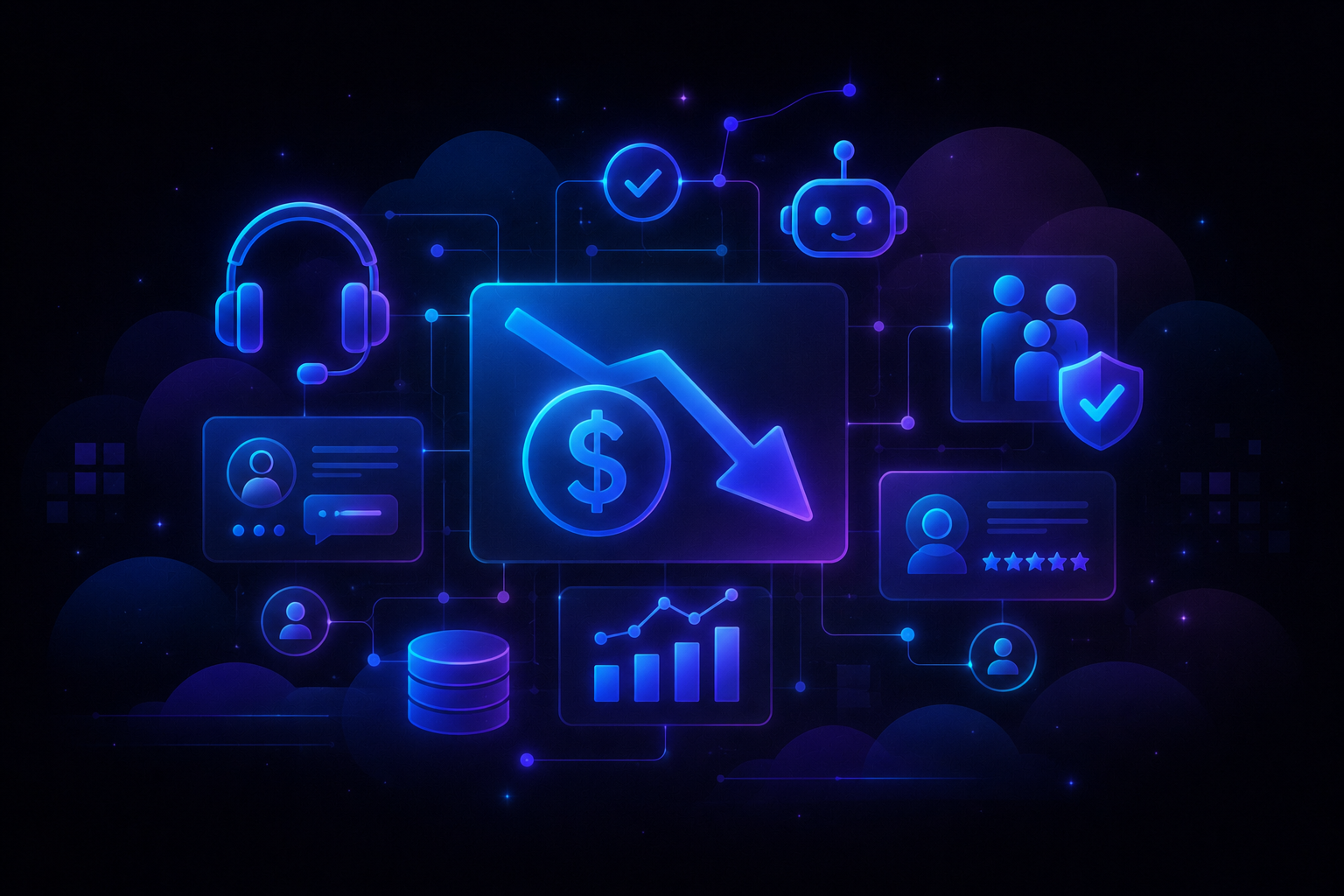
Support cost per contact decreases as AI resolution rate increases and fewer contacts require agent handling.
- The cost of first response shifts from agent time to AI resolution, which does not scale with contact volume
- After-hours coverage is achieved through AI rather than shift extensions or contractor support, reducing the cost of 24/7 availability
- Headcount requirements grow more slowly as AI absorbs the routine query volume that previously required additional agents to keep FRT targets achievable
Frequently Asked Questions About QuantumDesk and First Response Time
1. How does QuantumDesk help D2C brands improve first response time?
QuantumDesk resolves routine D2C support queries automatically using live order and product data, so the first response is delivered in seconds rather than after a manual agent lookup.
Contacts that require a human reach agents with full context already surfaced and with the highest-priority issues at the top of the queue, reducing the time between contact arrival and a useful first response.
2. What types of D2C queries can QuantumDesk resolve instantly?
QuantumDesk handles WISMO queries, return eligibility questions, refund status updates, shipping policy questions, and standard product information queries automatically without agent involvement.
Contacts that require human judgment, such as policy exceptions or payment disputes, are routed to agents with full order context already loaded.
3. Can QuantumDesk handle after-hours support contacts automatically?
Yes. QuantumDesk operates 24/7 across every connected channel. Routine queries sent outside business hours receive an accurate AI-powered first response immediately rather than waiting until the next business day.
Contacts that require a human are queued with full context for the next available agent, with priority already assigned so urgent issues are visible immediately when the team logs in.
4. How does QuantumDesk handle support across multiple channels?
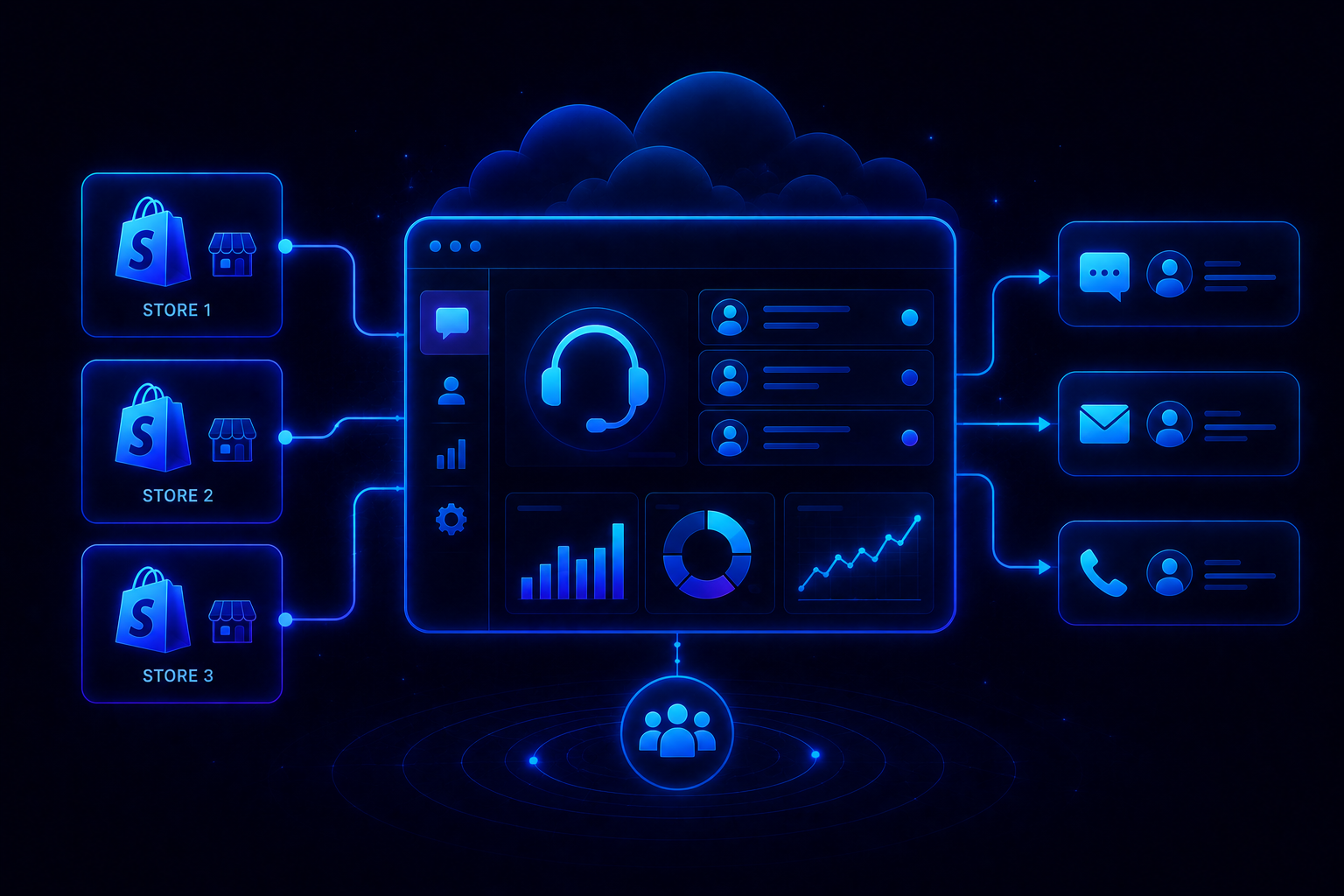
QuantumDesk centralizes contacts from email, WhatsApp, Instagram DM, and live chat into a single unified inbox. Agents see full cross-channel conversation history for every customer, so the first response is informed rather than repetitive.
Customers do not need to restate their issue because the agent already has the context from prior channel interactions, removing one of the most common causes of delayed first responses.
5. Does improving AI resolution rate actually reduce first response time?
Yes. Every routine contact that AI resolves before entering the human queue is one fewer contact ahead of the complex issues that do need an agent. Shorter queues mean faster first responses for everything that reaches a human.
For D2C brands at scale, this is the most durable way to improve FRT: removing volume from the queue rather than processing the same volume more efficiently.
6. How quickly can D2C brands see improvement in first response time with QuantumDesk?
Most teams see measurable changes in resolution rate and first response time within the first few weeks of implementation.
Speed depends on how completely order and product integrations are configured and how well return and shipping policies are documented. Brands with clean data and clearly defined policies see faster initial results.



.avif)