Summarize with AI
Key Takeaways
- Auditing and consolidating your tech stack removes overlapping tool costs that accumulate invisibly as teams scale without reducing any active support capability.
- Downgrading inactive and light-use seat licenses cuts monthly recurring costs immediately without affecting the capacity your active agents rely on each day.
- Deploying AI to deflect repetitive tickets reduces cost per ticket by 30 to 40 percent while keeping your team focused on complex issues requiring human judgment.
- A self-service knowledge base deflects up to 60 percent of incoming ticket volume and reduces the pressure that drives per-seat license costs higher.
- Using AI copilot assistance lowers average handle time per agent, reducing the headcount required to sustain current resolution SLAs as ticket volume grows.
As support teams grow, software costs scale with them. Cost-per-ticket rarely improves without deliberate action on tools and seat licenses.
For D2C brands, B2B SaaS companies, and SMBs scaling quickly, overlapping tools and unused seat licenses inflate budgets faster than ticket volume grows. The average support ticket now costs $2.70 to $5.60, and 79% of companies have no cost baseline to work from.
The cost builds quietly until someone audits the stack and discovers tools doing the same job at full license cost.
We were using five separate tools for support → two performed the same function → neither team knew → combined license cost was $3,200 a month → ticket volume had not grown in six months → cost per ticket had climbed 40% → the entire problem was the stack, not the volume.
Five tools. One job. A cost problem no one caught until the quarterly review.
Support teams scaling past 10 agents hit the same software cost patterns repeatedly:
- Overlapping helpdesk and chat subscriptions billing in parallel for functions a single unified platform would cover at lower cost
- Premium seat licenses assigned to part-time agents or staff who only view tickets but never resolve them
- Paid middleware connectors linking platforms that offer native integrations at no additional monthly fee
- Redundant QA tools that replicate analytics already built into the primary helpdesk platform
You will learn how to reduce customer support software costs as your team grows, consolidate your stack, optimize seat licenses, and use AI to deflect volume without expanding headcount.
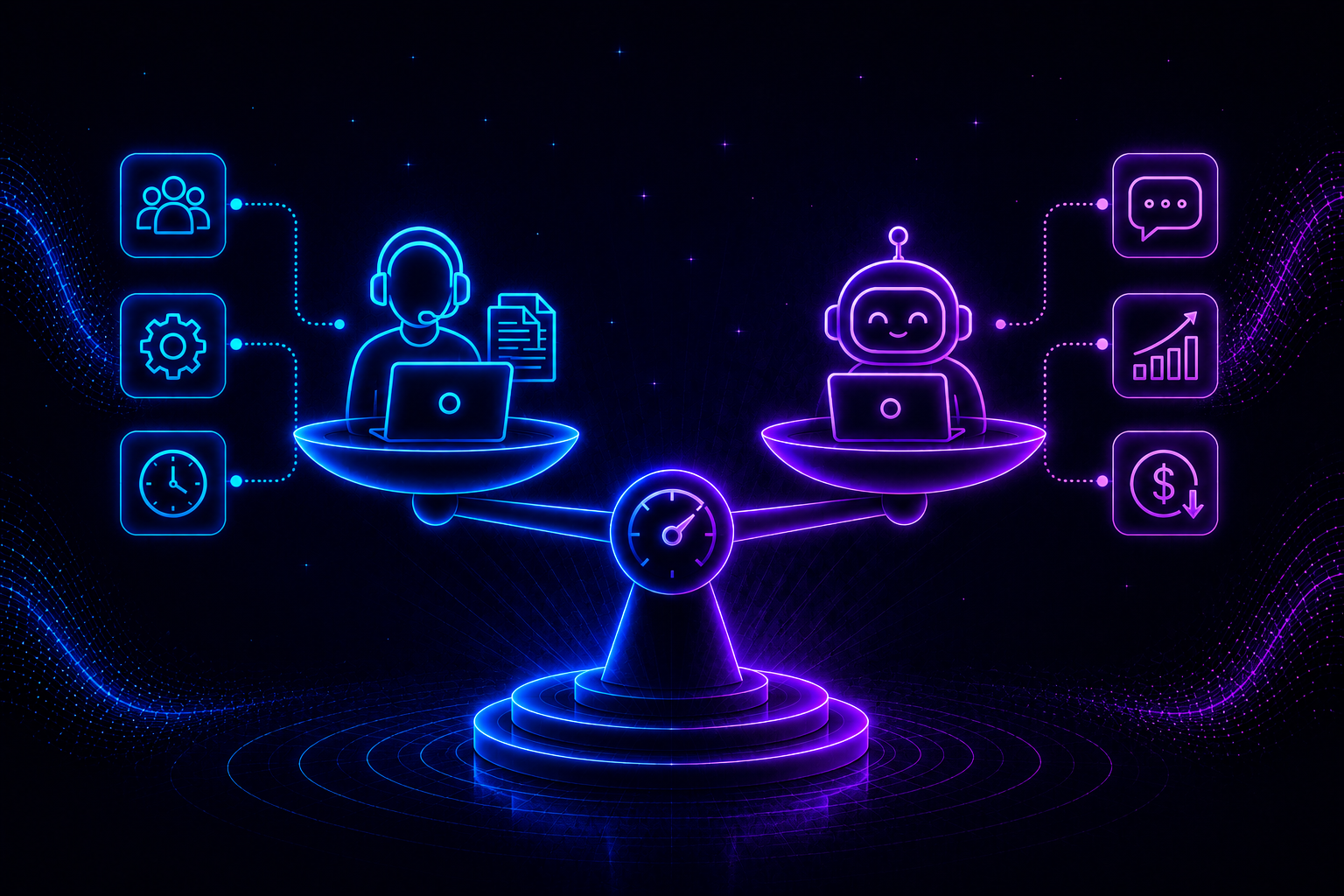
A Quick Comparison: Unmanaged Stack vs Optimized Platform with AI
Why Support Software Costs Rise Faster Than Ticket Volume
1. Tool overlap accumulates when teams add software without auditing what exists
Most support stacks grow by addition, not design. A chat tool gets added, then a CRM, then a helpdesk. No one checks for overlap.
D2C brands running five tools often find two performing identical functions. Each carries a separate fee and integration cost. Auditing these overlaps is the fastest way to reduce customer service automation spend without removing any active capability.
2. Per-seat licensing bills for headcount rather than actual utilization
Standard helpdesk pricing bills per named user. When agents leave or roles change, the seat remains active and billed until someone manually revokes access.
For a 30-person team where 8 are part-time, premium seats are pure waste. Downgrading light users to restricted tiers and switching to concurrent licensing cuts customer service metrics spend without reducing the capacity active agents use.
3. Manual ticket handling drives cost per ticket up as volume grows
Without automation, every ticket requires agent time. As volume grows, the cost of each resolution rises because more labor hours are consumed per interaction.
A team processing 2,000 tickets monthly at $5 per ticket spends $10,000 on volume AI could partially absorb. Reducing repetitive support questions through automation is how teams grow order volume without growing the cost baseline proportionally.
How to Audit and Consolidate Your Customer Support Tech Stack
1. Map every tool your support team uses before making any cuts
Start with a full inventory. List every platform used for helpdesk, live chat, telephony, QA, knowledge management, and internal communication. Then identify which functions overlap.
Where to look when mapping your ecommerce customer service stack:
- Helpdesk and live chat tools running in parallel on the same website, both receiving ticket submissions from separate customer contact points
- CRM platforms that duplicate customer contact records already stored inside the primary helpdesk without adding any distinct value
- Third-party middleware connectors charging monthly fees to sync data between tools that already offer native integrations at no additional cost
- QA and analytics tools that replicate reporting already available inside the core helpdesk platform dashboard
- Knowledge base subscriptions maintained separately from the helpdesk when the helpdesk includes a built-in knowledge base feature
2. Replace overlapping tools with a single unified support platform
Consolidating to one platform removes per-tool license fees, reduces agent onboarding time, and creates a unified customer support inbox that eliminates the switching cost agents absorb when jumping between systems.
How to consolidate without disrupting active support operations:
- Identify your primary helpdesk as the core platform and migrate all other ticket-receiving channels into it as connected inboxes
- Enable native integrations for Shopify, Stripe, and order management systems inside the helpdesk rather than routing through paid monthly connectors
- Retire standalone chat tools that duplicate the helpdesk's live chat capability once agents are fully transitioned to the unified platform
- Migrate the knowledge base into the helpdesk's built-in help center to eliminate the separate subscription and centralize content in one location
- Cancel telephony subscriptions that overlap with the helpdesk's built-in call or voicemail features before the next billing cycle renews
3. Negotiate seat license tiers based on actual agent utilization data
Once overlap is cleared, review every active seat. Agents who only monitor queues or review tickets do not need the same access tier as agents resolving customer contacts daily.
License optimization moves that reduce monthly recurring costs:
- Downgrade inactive seats for departed agents or staff in non-resolution roles who retain system access without generating any ticket activity
- Switch part-time agents from named seats to concurrent licenses so the team shares access rather than paying for individual headcount
- Move internal staff who only view reports to free or light-agent tiers available in most mid-market helpdesk platforms
- Request volume discounts from your current vendor based on total seat count or commit to an annual contract in exchange for a rate reduction
- Audit license usage quarterly so creep from new hires, role changes, and temporary access grants does not accumulate unnoticed
How to Use AI to Reduce Cost Per Ticket as Volume Grows
1. Deploy AI agents to resolve repetitive queries without agent involvement
The highest-volume support queries are also the most repetitive. Order status, return policy questions, and account updates follow predictable patterns that AI agents for customer support resolve faster than any human agent.
Queries AI handles automatically without any agent step:
- Order status and shipping updates retrieved from live carrier and order data, answered in seconds with no manual lookup required
- Return and refund eligibility checked against the current policy and the customer's purchase record, resolved without escalation to a human agent
- Account and password resets completed through verified self-service flows that confirm identity before executing any account change
- FAQ and policy questions answered directly from the knowledge base the moment the customer submits the query on any channel
- Subscription and billing inquiries resolved using live billing system data so agents are only engaged when a genuine judgment call is required
2. Use AI copilot assistance to reduce handle time on complex tickets
When escalation is necessary, AI copilot tools reduce time per ticket by surfacing context, suggesting responses, and automating wrap-up notes, directly improving first contact resolution rate on complex cases.
How AI copilot tools reduce per-ticket agent cost:
- Auto-populated case summaries pulled from conversation history so agents open every escalated ticket with full context already in place
- Suggested response drafts generated from past resolutions and policy documents, reducing the time agents spend composing replies
- Live order and customer data surfaced inside the ticket view so agents never open a second tab to retrieve any information
- Post-resolution wrap-up notes drafted automatically after each ticket closes, cutting after-call documentation time to under two minutes
- Sentiment flags on incoming escalations that alert agents to high-frustration cases before they open the ticket and calibrate their response
3. Build a self-service knowledge base to deflect tickets before they reach the queue
Every ticket a customer resolves through self-service never enters the agent queue. A well-structured knowledge base deflects 30 to 60 percent of routine contact volume at near-zero incremental cost.
Knowledge base content that reduces incoming ticket volume:
- Return and refund policy pages written in plain language with eligibility criteria stated clearly so customers self-serve without contacting support
- Order tracking guides showing customers exactly how to use the carrier link in their confirmation email without opening a support ticket
- Account setup and reset tutorials covering the most common access issues your team handles manually, updated when process changes occur
- Product FAQ pages organized by top question categories from your resolved ticket data and refreshed monthly to reflect new issue patterns
- Status page updates for outages, shipping delays, and known issues that prevent identical tickets from entering the queue simultaneously
How QuantumDesk Helps Reduce Support Software Costs
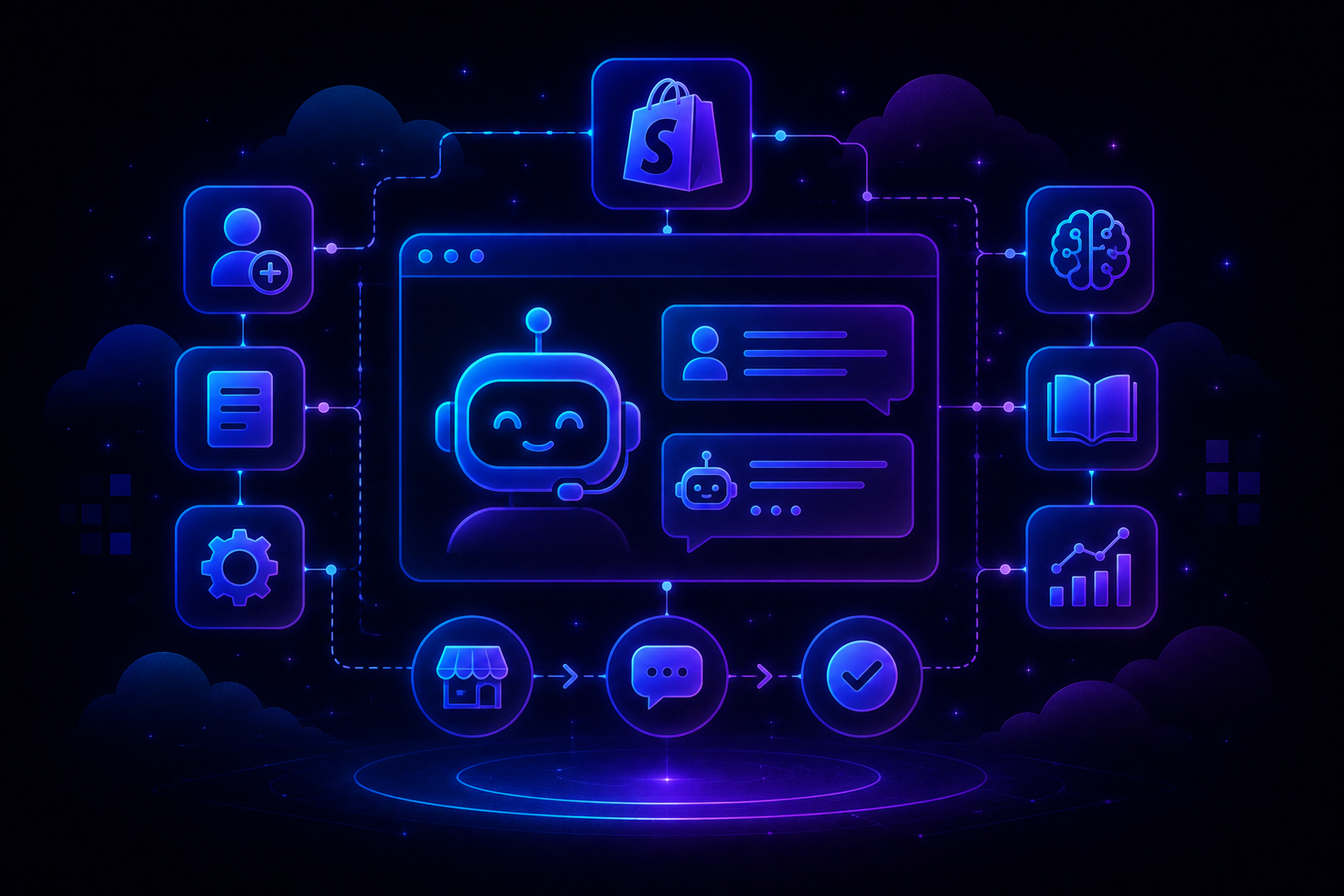
QuantumDesk is an AI-native customer service platform built for D2C brands, Shopify merchants, B2B SaaS teams, and SMBs managing high support volumes across email, WhatsApp, chat, and social.
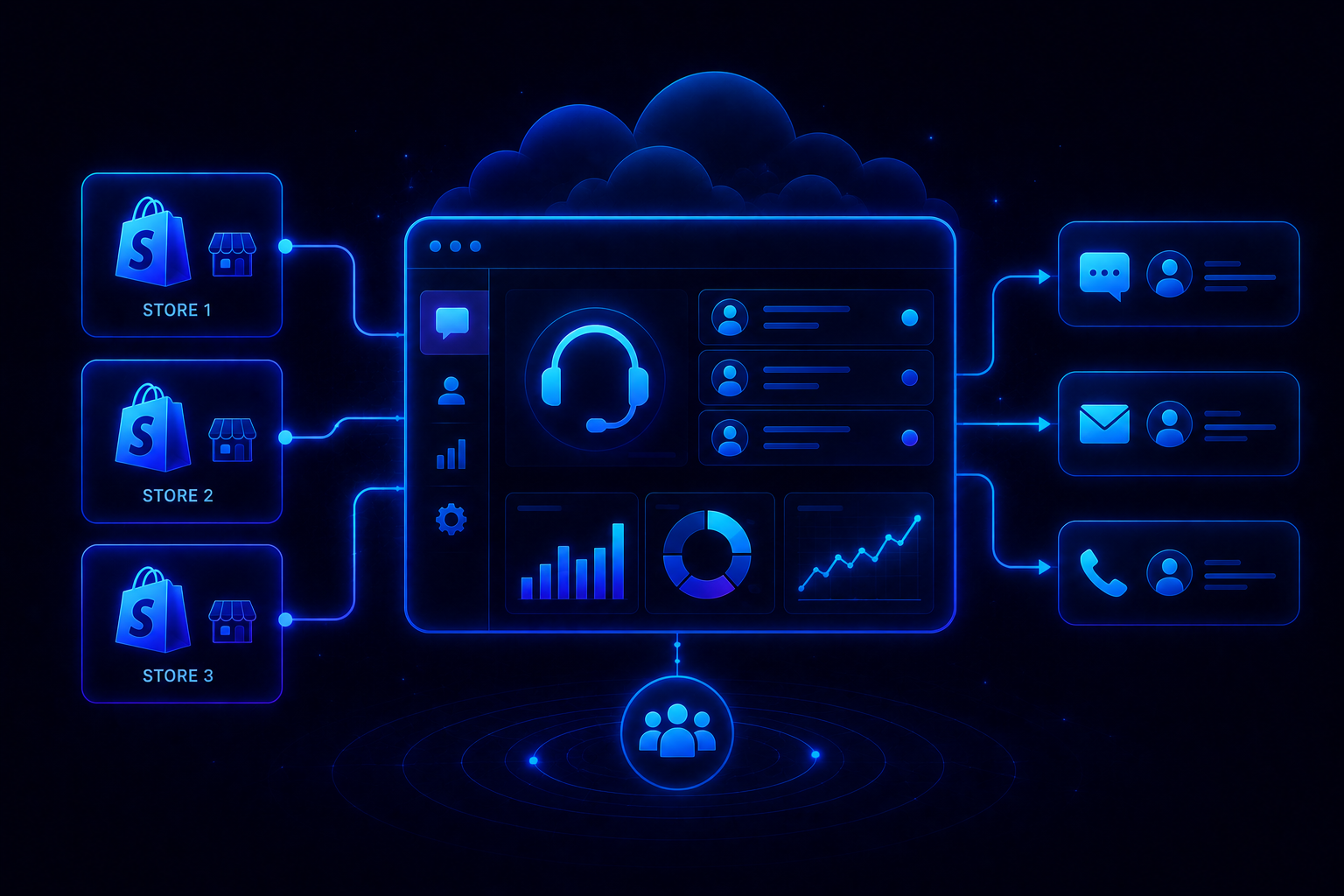
Rather than adding more tools to a fragmented stack, QuantumDesk consolidates helpdesk, AI automation, and inbox management into one platform. This removes the per-tool license cost that grows with headcount, replacing hiring more agents as the default response to rising ticket volume.
This is where ai native customer service benefits are most visible. Quantum AI deflects repetitive volume so teams scale D2C customer support without increasing headcount or expanding software spend.
Key Capabilities of QuantumDesk
- Quantum AI resolves repetitive queries automatically using live order data with no agent involvement and no additional tool required
- AI-curated inbox prioritizes real customer conversations by urgency so agents spend zero time on tickets AI has already handled
- Quantum AI Copilot surfaces case context, suggests responses, and completes wrap-up notes so agents handle more tickets per shift
- Native Shopify integration pulls order history and customer data directly into every conversation, removing all middleware connector costs
- Admin analytics tracks AI resolution rates, ticket deflection, and cost-per-ticket trends so teams continuously optimize their support spend
Ready to see how it works? Book a demo to explore QuantumDesk for your team.
Frequently Asked Questions
1. What is the fastest way to reduce customer support software costs?
Auditing your tech stack to identify overlapping tools and downgrading inactive seat licenses are the two changes that cut monthly recurring costs immediately without reducing any active support capability.
2. How does AI reduce cost per ticket as support volume grows?
AI resolves repetitive queries without agent involvement. As AI handles a larger share of incoming volume, cost per ticket falls even when total order volume or customer contacts continue to increase.
3. Can a support team grow without adding more software seats?
Yes. AI automation handles increasing volume without proportional headcount or seat license growth. Teams using AI agents and self-service workflows scale capacity without paying more per user each month.
4. What does overlapping support software actually cost?
Overlapping tools generate duplicate license fees, increase agent toggling time, and require separate integrations. Teams running five or more tools typically find two or three performing identical functions at full monthly cost.
5. How does a self-service knowledge base reduce software spending?
Self-service deflects 30 to 60 percent of routine tickets at near-zero cost per interaction. Fewer incoming tickets means slower license tier growth and less pressure to add seats as order volume increases.



.avif)