
Summarize with AI
Key Takeaways
- Implementing invisible CAPTCHAs like Google reCAPTCHA v3 blocks automated bots from submitting spam tickets through your website contact forms.
- Adding honeypot fields to contact forms catches bots silently without adding any friction for real customers trying to reach support.
- Blocking disposable email domains from your helpdesk stops temporary addresses from generating fake support tickets at scale.
- Creating automated workflow triggers that close or flag tickets containing spam phrases removes inbox noise before it reaches your agent queue.
- Applying rate limiting on ticket submissions per IP address or email account prevents coordinated spam attacks from flooding your support inbox.
Spam and noise in customer support inboxes waste agent time, inflate ticket counts, and bury genuine customer requests under junk.
For D2C brands, B2B SaaS companies, and SMBs, support spam is not a minor inconvenience. Nearly 45% of all global email traffic is spam. Even a 10% spam rate adds dozens of false tickets daily.
The consequence shows up in customer experience before it shows up in reports:
I submitted a refund request via a brand's contact form → three days passed with no reply → I called the support line → the agent said my ticket had been caught in their spam filter → the issue had sat unresolved for 72 hours with no one on the team aware of it.
One spam filter error. Three days of silence. A customer nearly lost over a ticket the team never saw.
Support teams across D2C, B2B SaaS, and ecommerce face the same inbox spam patterns daily:
- Bot submissions flood contact forms overnight, filling the inbox with gibberish before agents start their morning shift
- Disposable email addresses generate fake tickets that consume agent attention and distort ticket volume metrics
- Spam phrase tickets slip past basic filters and reach agents who spend time reading junk before manually closing it
- Repeat submissions from the same IP address accumulate when no rate limiting is set on the support portal
You will learn how to reduce spam in your customer support inbox, configure your helpdesk to filter noise automatically, and use AI-powered tools to keep agent time focused on real customer requests.
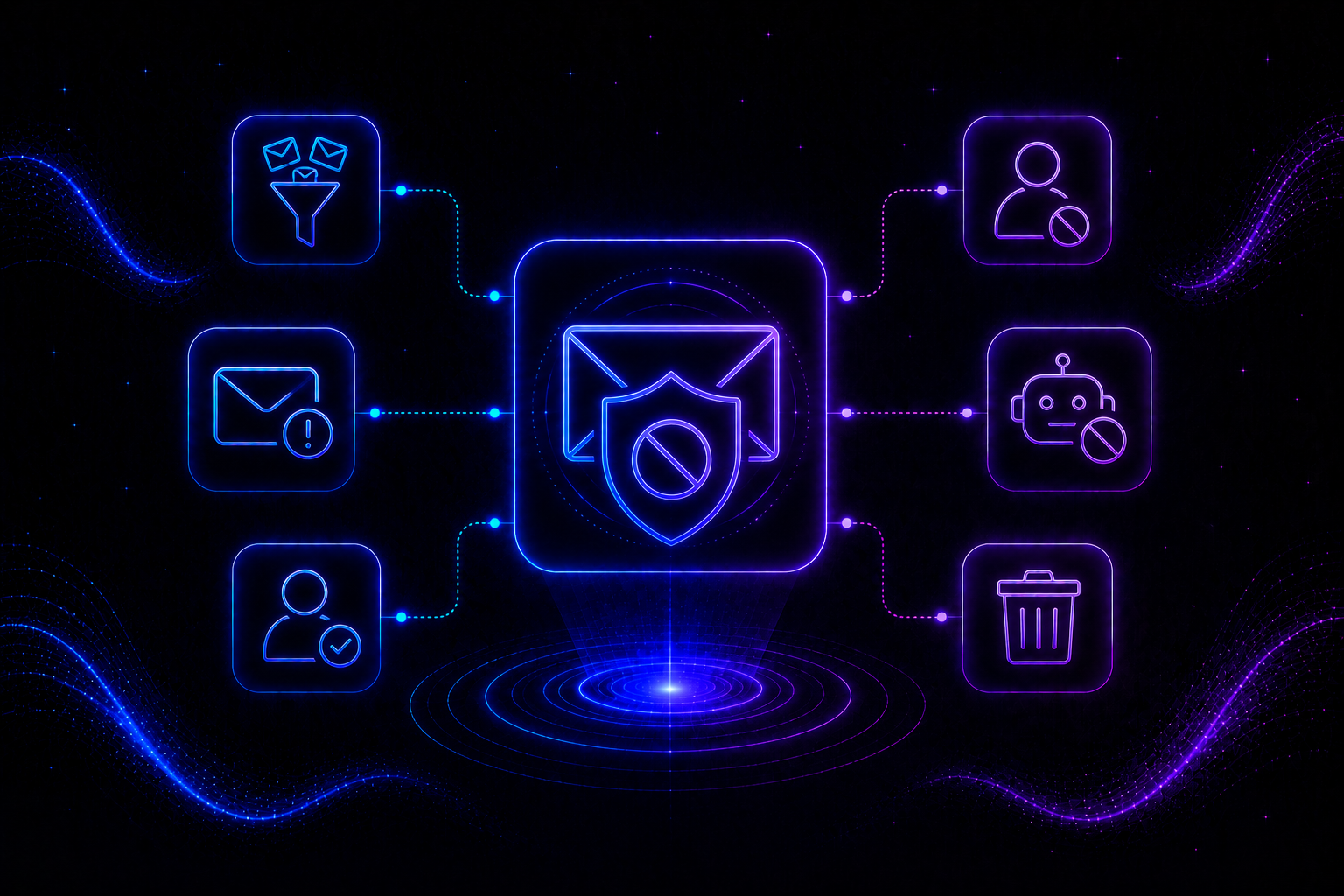
A Quick Comparison: Inbox Without Spam Controls vs Inbox With AI Spam Filtering
Why Spam and Noise Build Up in Customer Support Inboxes
1. Public contact forms attract automated bot submissions
Most support spam starts with bots scraping public-facing web forms and submitting automated entries at scale. An unprotected contact form is open to any bot looking for a submission target.
For D2C brands managing multi-channel customer service, a single unprotected form generates hundreds of bot submissions overnight, burying real tickets and driving excessive customer conversations that reduce support quality across the whole team.
2. Helpdesks without spam rules route junk directly to agents
A helpdesk with no spam configuration treats every incoming submission the same way. Bot-generated tickets, disposable email requests, and unsolicited promotional messages land in the same queue as a damaged-item complaint or a billing dispute.
Without automated filtering, agents manually open and close spam tickets before reaching real requests. For a team processing 1,000 monthly tickets where 15% are spam, the cost shows in customer service metrics as inflated handle time and near-zero resolution value.
3. Spam tickets inflate queue metrics and delay real customer resolutions
Every spam ticket in the queue distorts how a support team measures its own performance. Average handle time rises because agents are closing junk. Resolution rates drop because spam tickets count as open interactions.
Reducing repetitive support questions and clearing genuine backlog is harder when agents start each shift dismissing noise. Hiring more agents to absorb spam volume does not fix the problem. It adds cost to something automation resolves at the source.
How to Secure Your Contact Forms Against Spam Submissions
1. Add invisible CAPTCHAs to block automated bot submissions
Invisible CAPTCHAs analyze user behavior in the background and block bots without asking real customers to complete any visible challenge. This is the most effective first line of defense for any public-facing support form.
Where to implement CAPTCHA protection:
- Google reCAPTCHA v3 runs silently in the background and assigns a risk score to every form submission without interrupting the user
- Cloudflare Turnstile verifies user behavior without a visible challenge, keeping the form experience clean for real customers
- HubSpot gibberish detection catches and quarantines random character strings in form fields before they become tickets
- Submission time limits that reject forms completed in milliseconds, since bots submit instantly while real customers take time to type
- Form validation rules requiring a valid email format and phone number structure filter basic bot-generated entries at the point of submission
2. Use honeypot fields and domain blocklists to catch bots silently
A honeypot field is a hidden input that human users never see, but bots automatically fill out. Any submission that includes data in that field is rejected before it reaches the helpdesk queue, with no impact on real customers.
How to catch bots without adding friction for real customers:
- CSS-hidden honeypot fields placed in the form markup catch bots that fill every visible and invisible input automatically
- Domain blocklists that reject known disposable email providers like Mailinator stop fake tickets before they are created
- Double opt-in verification for new ticket submissions confirms the email address is real before the ticket enters the agent queue
- Keyword blocklists on the form that reject submissions containing phrases like "crypto," "wire transfer," or "SEO rankings" at entry
- IP reputation checks that cross-reference submission IPs against known spam databases and block high-risk senders at the form level
3. Apply rate limiting to restrict repeat submissions from the same source
Rate limiting controls how many tickets a single IP address or email account can open within a set time window. Without it, a single bot or bad actor submits hundreds of tickets before anyone on the team notices.
Rate limiting rules that reduce spam volume at scale:
- Per-IP submission caps that limit ticket creation to a set number per hour, preventing coordinated form flooding attacks from a single source
- Per-email submission limits that block more than three open tickets from the same address within 24 hours, stopping repeat spammers
- Account authentication requirements for high-priority ticket types that confirm the user is a verified customer before the queue receives the request
- Temporary IP blocking triggered after threshold violations that automatically locks out sources displaying known spam behavior patterns
- Portal login requirements for B2B SaaS and enterprise support teams that gate ticket submission behind verified customer accounts entirely
How to Configure Your Helpdesk to Filter Spam Automatically
1. Block disposable email domains before they create tickets
Disposable email services allow anyone to create a temporary address in seconds, submit a support ticket, and discard the address. Blocking these domains at the helpdesk level stops the ticket from ever entering the queue.
How to configure domain-level spam blocking in your helpdesk:
- Domain blocklist rules in helpdesk settings that reject submissions from known disposable email providers before a ticket is created
- MX record validation that checks whether the sending domain has a real mail server before accepting the submission as a ticket
- New account spam scoring that flags submissions from email addresses created within the last 24 hours for human review before routing
- Automatic rejection responses for blocked domains that instruct customers to use a verified address if they need genuine support
- Regular blocklist updates using community-maintained lists of known disposable domains, since new providers appear on a regular basis
2. Create automated triggers to close or flag spam tickets
Automated triggers scan incoming tickets for phrases, sender patterns, and content signals that match known spam. When a match is found, the trigger closes, folders, or tags the ticket automatically. This is customer service automation applied directly to inbox quality.
Workflow triggers that remove inbox noise automatically:
- Keyword triggers set to auto-close any ticket containing phrases like "SEO services," "cryptocurrency," or "investment opportunity" on arrival
- Subject line pattern matching that flags tickets with generic subjects like "Hello" or "Business Proposal" for spam review before routing
- Sender reputation triggers that auto-tag tickets from IP addresses with a spam score above a set threshold in your helpdesk
- Attachment-only tickets with no text body auto-flagged as suspicious, since real customer tickets almost always include a written description
- Bulk sender detection that identifies and collapses near-identical tickets from the same source into one flagged thread for review
3. Use AI inbox prioritization to separate noise from real customer requests
AI goes beyond keyword matching. It reads the intent, sentiment, and context of incoming tickets to separate genuine requests from noise before any agent opens the queue, directly improving ticket resolution rate across the team.
How AI prioritization filters spam and surfaces real requests:
- Intent detection that identifies whether a sender has a genuine support need or is submitting unsolicited promotional content to the queue
- Sentiment analysis that flags tickets with high frustration scores as priority while routing neutral or nonsensical text for spam review
- Spam probability scoring that assigns a risk rating to every incoming ticket and quarantines high-risk submissions without agent involvement
- Cross-channel spam filtering applied consistently across email, WhatsApp, chat, and social so spam cannot bypass rules by switching channels
- Improving first contact resolution rate happens naturally when agents spend their full capacity on real requests rather than clearing inbox noise
How QuantumDesk Reduces Spam and Noise in Customer Support Inboxes
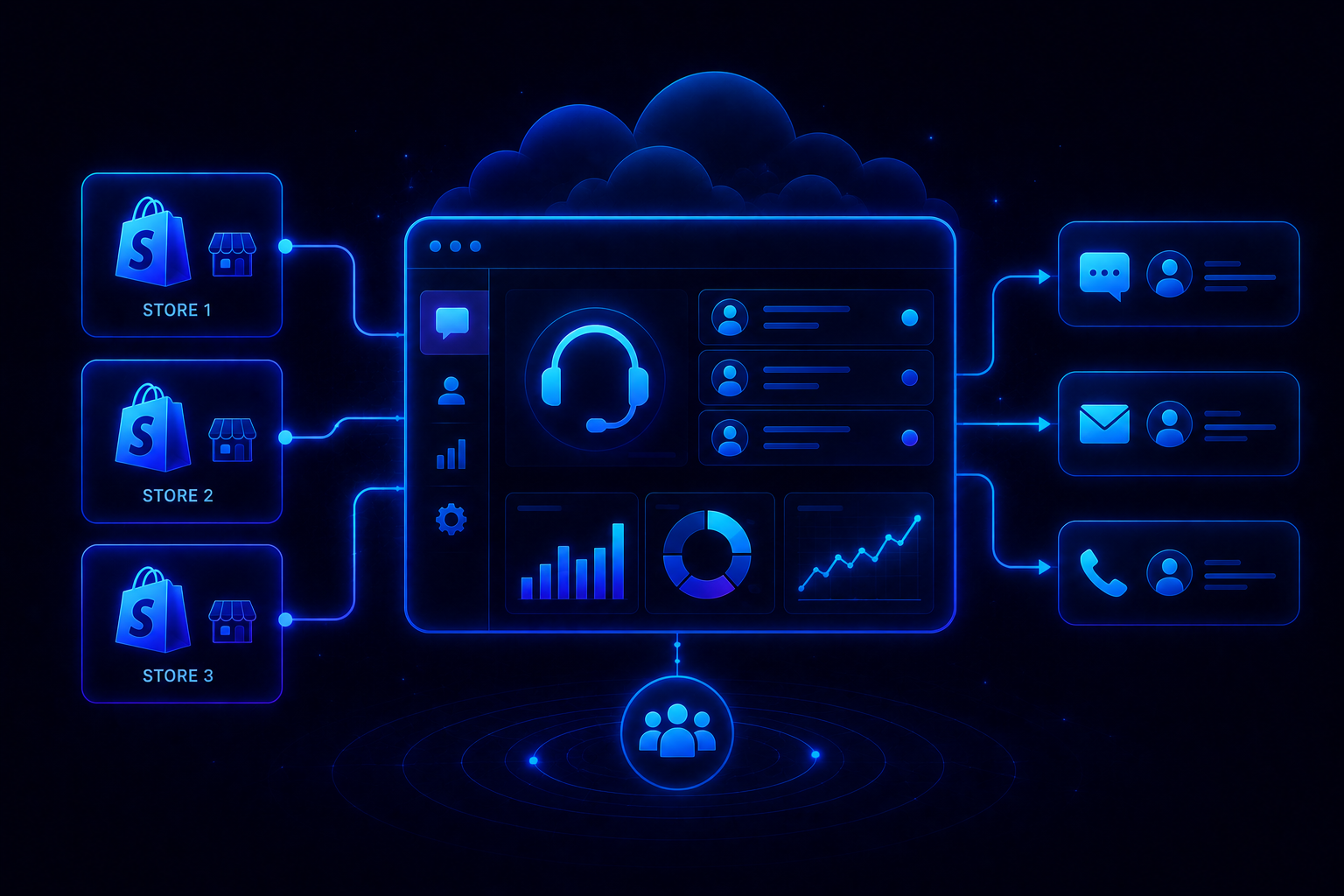
QuantumDesk is an AI-native customer service platform built for D2C brands, Shopify merchants, B2B SaaS teams, and SMBs managing high support volumes across email, WhatsApp, chat, and social.
Rather than letting spam reach the agent queue, QuantumDesk filters it before any agent has to engage. Quantum AI reads incoming conversations for intent, sentiment, and spam signals, separating genuine requests from noise before they enter the queue.
This is where the ai native customer service benefits are most visible: spam management is built into the platform from the start, not added as a separate rule set requiring ongoing manual updates.
The unified customer support inbox applies AI filtering across every channel so spam from email, WhatsApp, and social cannot bypass rules by switching channels. Administrators monitor spam rates and adjust thresholds without any developer support.
Key Capabilities of QuantumDesk
- Quantum AI spam detection reads intent and sentiment to separate genuine tickets from noise before any agent opens the queue
- AI-curated inbox prioritizes real customer conversations by urgency and sentiment so spam never competes with high-value requests
- Automated spam workflows close, tag, or quarantine tickets matching known spam patterns without any manual agent action required
- Unified inbox filtering applies consistent spam rules across email, WhatsApp, chat, and social media from a single workspace
- Admin analytics tracks spam volume, filter accuracy, and protected agent time so teams can continuously improve their spam controls
Ready to see how it works? Book a demo to explore QuantumDesk for your team.
Frequently Asked Questions
1. What is spam in customer support?
Spam in customer support includes unsolicited bot submissions, fake tickets from disposable email addresses, and promotional messages that reach the agent queue without being genuine customer requests needing resolution.
2. How does inbox spam affect customer support teams?
Spam inflates ticket volume, increases average handle time, and buries real customer requests. Agents spend time closing junk instead of resolving genuine issues, reducing overall team productivity and satisfaction scores.
3. Can AI filter spam in customer support automatically?
Yes. AI reads intent, sentiment, and content signals in incoming tickets to separate spam from genuine requests before agents open the queue, without requiring manual review of every incoming submission.
4. What is the fastest way to reduce spam in a support inbox?
Adding invisible CAPTCHAs to contact forms and blocking disposable email domains in your helpdesk are the two fastest changes that immediately reduce spam ticket volume without affecting real customers.
5. Does blocking spam ever affect legitimate customer tickets?
It can. Aggressive keyword filters occasionally catch genuine requests. A review folder for borderline tickets and regular audits of spam trigger rules prevent real customer contacts from being permanently lost.





.avif)