
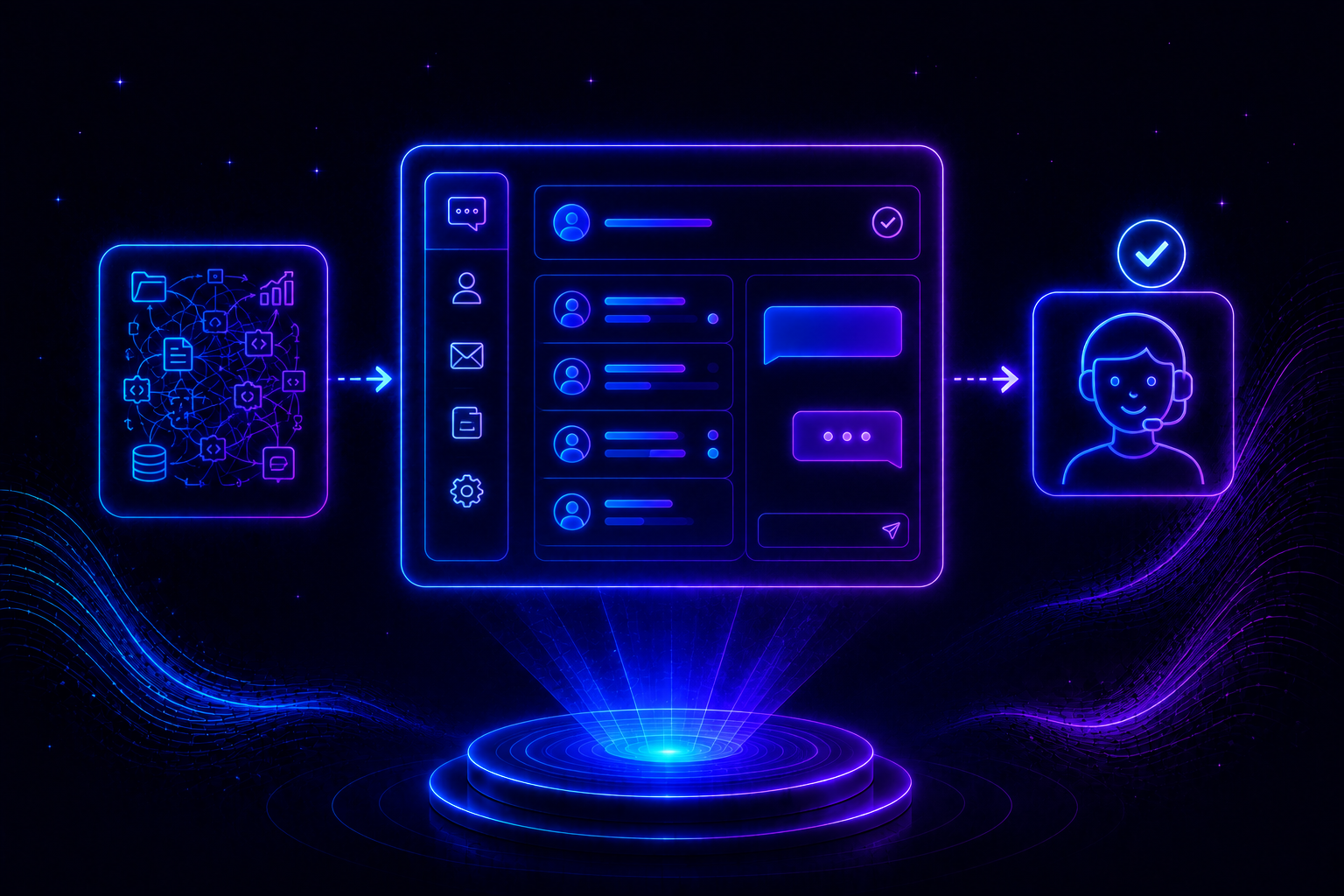
Summarize with AI
Key Takeaways
- Role-based views that hide unused features reduce visual clutter and help non-technical agents focus only on the tools their job role requires.
- Plain language labels on all buttons and menus remove technical jargon from the interface so agents can navigate the helpdesk without IT training.
- AI copilot assistance embedded in the workspace drafts and shortens replies automatically so non-technical agents spend less time writing and more time resolving.
- Smart ticket routing that assigns incoming requests automatically removes the manual triage step that slows down agents unfamiliar with category structures.
- Inline guides and checklists inside the helpdesk give non-technical agents real-time context during interactions without requiring them to leave the platform.
Most helpdesks are built by technical teams and then handed to agents who were never trained to use them.
For D2C brands, B2B SaaS teams, and SMBs, a complex helpdesk reduces resolution speed and extends new hire onboarding time. Agents unfamiliar with technical interfaces spend more time managing the platform than resolving customer issues, directly increasing cost per ticket.
The breakdown between a complex helpdesk and a non-technical agent usually plays out the same way at the start of every shift.
A new support agent joined the team → logged into the helpdesk for the first time → found 12 tabs, four dropdown menus, and no clear path to the open ticket queue → spent 20 minutes asking a colleague how to respond to a customer → the customer had already sent a follow-up asking why no one had replied → the agent was never shown a simpler path because no simpler path had been configured.
Twelve tabs. One confused agent. A customer waiting on a reply for 20 minutes on day one.
Support teams scaling past 10 agents hit the same helpdesk usability problems repeatedly:
- New agents navigating complex helpdesks spend their first weeks learning the tool instead of learning the product and the customer
- Technical menu structures with jargon-heavy labels slow every interaction because agents pause to interpret options rather than move through them
- Tickets routed manually by agents who do not understand the category system end up in the wrong queue and get resolved late
- No inline guidance inside the platform means every unfamiliar situation requires a Slack message, a senior agent, or a training doc search
You will learn how to make your helpdesk simple for non-technical support teams by configuring role-based views, enabling AI assistance, and adding inline guidance that works without any IT training.
A Quick Comparison: Complex Helpdesk vs Simplified Helpdesk
Why Complex Helpdesks Slow Down Non-Technical Support Teams
1. Cluttered interfaces force agents to learn the tool instead of the customer
Most helpdesk platforms expose every feature to every user by default. For a non-technical agent, that creates a screen with no obvious place to start.
The problem compounds during live tickets. An agent who cannot find the right button loses time on every interaction. For ecommerce customer service teams onboarding seasonal staff, a cluttered interface adds weeks of platform training before any agent goes live.
2. Manual ticket routing fails when agents do not understand the category structure
When agents manually select the category for every incoming ticket, errors follow. Non-technical staff pick the wrong queue when options use language they do not recognize.
A miscategorized ticket routes to the wrong team, waits in the wrong queue, and needs reassignment before reaching the right agent. Customer service automation should remove this manual step entirely, not leave it to an agent unfamiliar with the category structure.
3. No in-platform guidance forces agents out of the helpdesk for answers
When an agent encounters an unfamiliar situation mid-ticket, they pause to ask a colleague or search for a training doc outside the platform.
Both options break the interaction. The customer waits while the agent searches outside the platform. Reducing repetitive support questions through self-service does not help if the agent cannot find the answer without interrupting their active ticket.
How to Simplify Your Helpdesk Interface for Non-Technical Agents
1. Configure role-based views so each agent sees only what their job requires
A role-based view limits the helpdesk to the features an agent actually uses. Everything else is hidden, reducing cognitive load and directly improving first contact resolution rate for teams without technical training.
What to configure in a role-based helpdesk view:
- Ticket inbox as landing screen so agents start every session directly on the open tasks requiring their immediate attention
- Reply and close as primary actions with advanced options like merge or escalate hidden behind a secondary expandable menu
- Customer history panel showing the last 5 interactions and current order status rather than a full CRM record requiring interpretation
- Canned response library inside the reply box so agents insert pre-written answers for common questions without starting from scratch
- Status selectors in plain language showing labels like Urgent, Waiting, and Resolved rather than technical category codes agents do not recognize
2. Replace jargon in menus and labels with plain language every agent understands
Technical labels are invisible to the teams that write them and confusing to every agent using them. Plain language across all buttons and menus reduces navigation errors and improves customer service metrics like handle time and first-response accuracy.
Where to apply plain language in the helpdesk interface:
- Ticket category names renamed from internal department codes to customer-facing descriptions like Order Issue or Returns and Refunds
- Status labels rewritten in plain phrases agents can match directly to the real state of the customer interaction
- Button text rewritten so actions like Merge become Combine with another ticket and Deprecate becomes Mark as outdated
- Filter and sort labels written to describe the outcome they produce rather than the technical logic running behind them
- Error messages rewritten to tell agents what to do next rather than displaying system codes requiring IT interpretation
3. Add inline checklists and step-by-step guides inside the helpdesk itself
Instead of sending agents to external docs, inline guidance delivers the right instruction inside the same screen. This separates a key element of customer service: a helpdesk agents use from one they work around.
Types of inline guidance that reduce errors in non-technical agent workflows:
- Resolution checklists appearing inside the ticket view the moment a category or routing tag is applied to the interaction
- Canned response prompts that surface relevant pre-written replies based on ticket content without the agent searching manually for them
- Policy tooltips appearing when an agent hovers over a field, showing the governing rule in plain non-technical language
- Escalation guides embedded in the ticket view showing which scenarios require supervisor involvement before the agent closes it
- Completion reminders appearing before submission confirming the agent has completed all required steps for the specific ticket type
How to Use AI to Guide Non-Technical Agents Through Every Ticket
1. Deploy an AI copilot that drafts replies inside the agent workspace
Writing accurate replies is hard for non-technical agents. An AI copilot drafts and refines messages inline in real time, removing hiring more agents as the only response to rising ticket volume.
What an AI copilot does for non-technical agents in the reply view:
- Draft generation from ticket content so agents edit a pre-written reply rather than composing responses from scratch
- Tone adjustment that rewrites responses from casual to professional without the agent needing to understand phrasing or communication nuance
- Length control that condenses long agent-written replies into concise messages that answer the customer's question without unnecessary detail
- Grammar and clarity corrections applied as the agent types so errors are removed before the reply reaches the customer
- Policy-grounded responses generated from the connected knowledge base so agents never give answers that conflict with current team policy
2. Use smart routing so non-technical agents never sort incoming tickets manually
When AI agents for customer support assign category, priority, and team automatically, non-technical agents open the queue and see only the tickets they are trained to handle without any manual sorting.
What smart routing handles automatically so agents focus on resolution:
- Intent-based categorization reading ticket content and assigning the correct category before the request reaches any agent in the queue
- Skill-based assignment routing tickets by agent role so no one receives a contact type outside their designated training scope
- Priority scoring that surfaces billing disputes and damaged-item complaints at the top of every agent's queue without manual sorting
- Channel-based routing separating email, chat, and social tickets and directing each to the team configured for that channel type
- Language detection routing non-English tickets to agents or AI workflows configured for that language without any manual reassignment required
3. Connect AI to your knowledge base to answer policy questions for agents instantly
Every second an agent spends searching for a policy answer is a second the customer waits. AI connected to the knowledge base surfaces the right answer inside the active ticket view.
Knowledge base queries AI resolves for agents inside the helpdesk:
- Return and refund checks answered from current policy so agents reply accurately without switching to a separate knowledge base tab
- Shipping timeline answers pulled from carrier and processing data so agents stop referencing a separate internal policy guide
- Product eligibility checks run against current catalog and warranty terms so agents respond without leaving the active ticket view
- Billing and account policy answers pulled from the current policy version so all agents give consistent replies across every shift
- Escalation guidelines surfaced from internal policy so agents know when to involve a supervisor before closing a complex ticket
How QuantumDesk Helps Non-Technical Teams Use AI-Powered Support
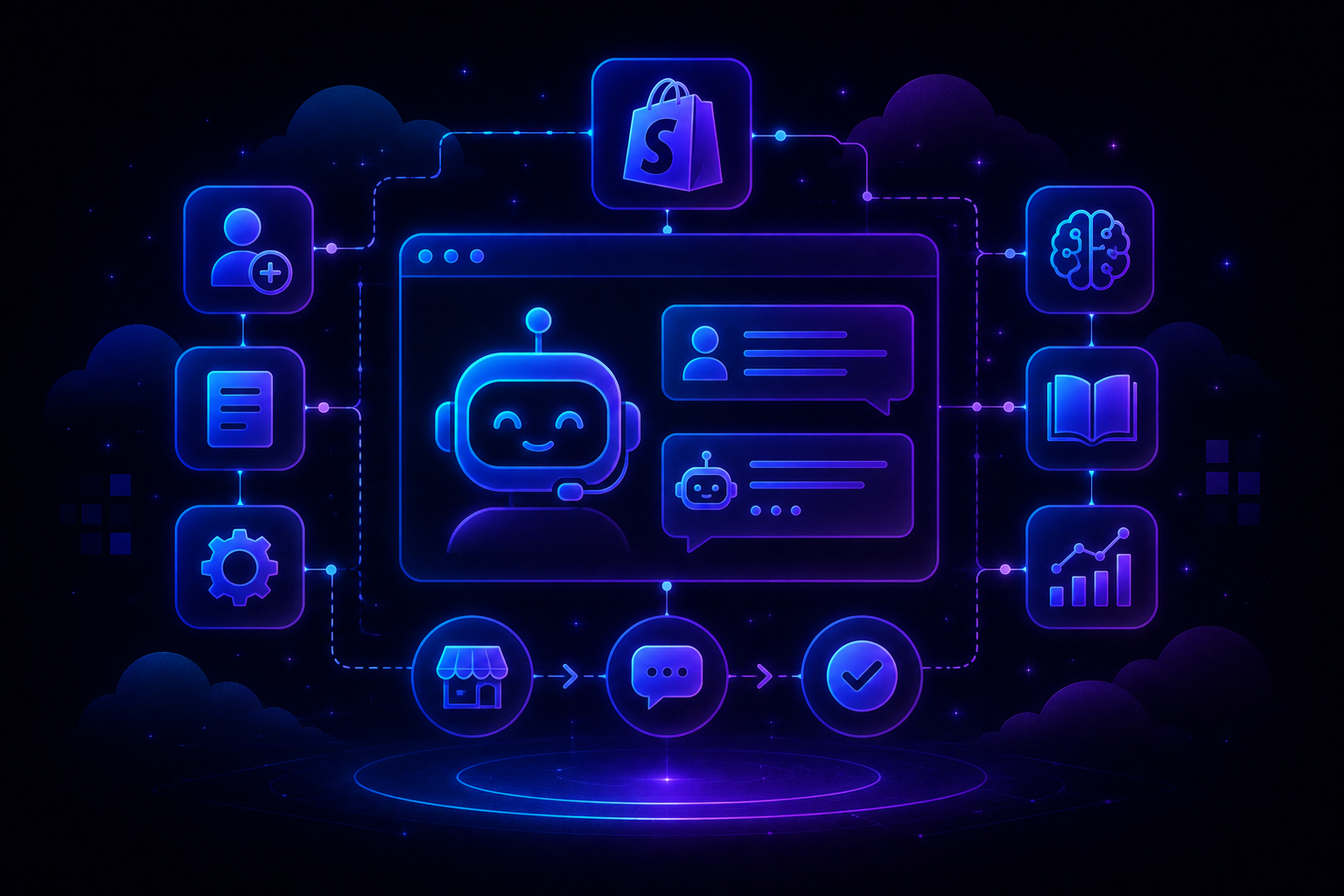
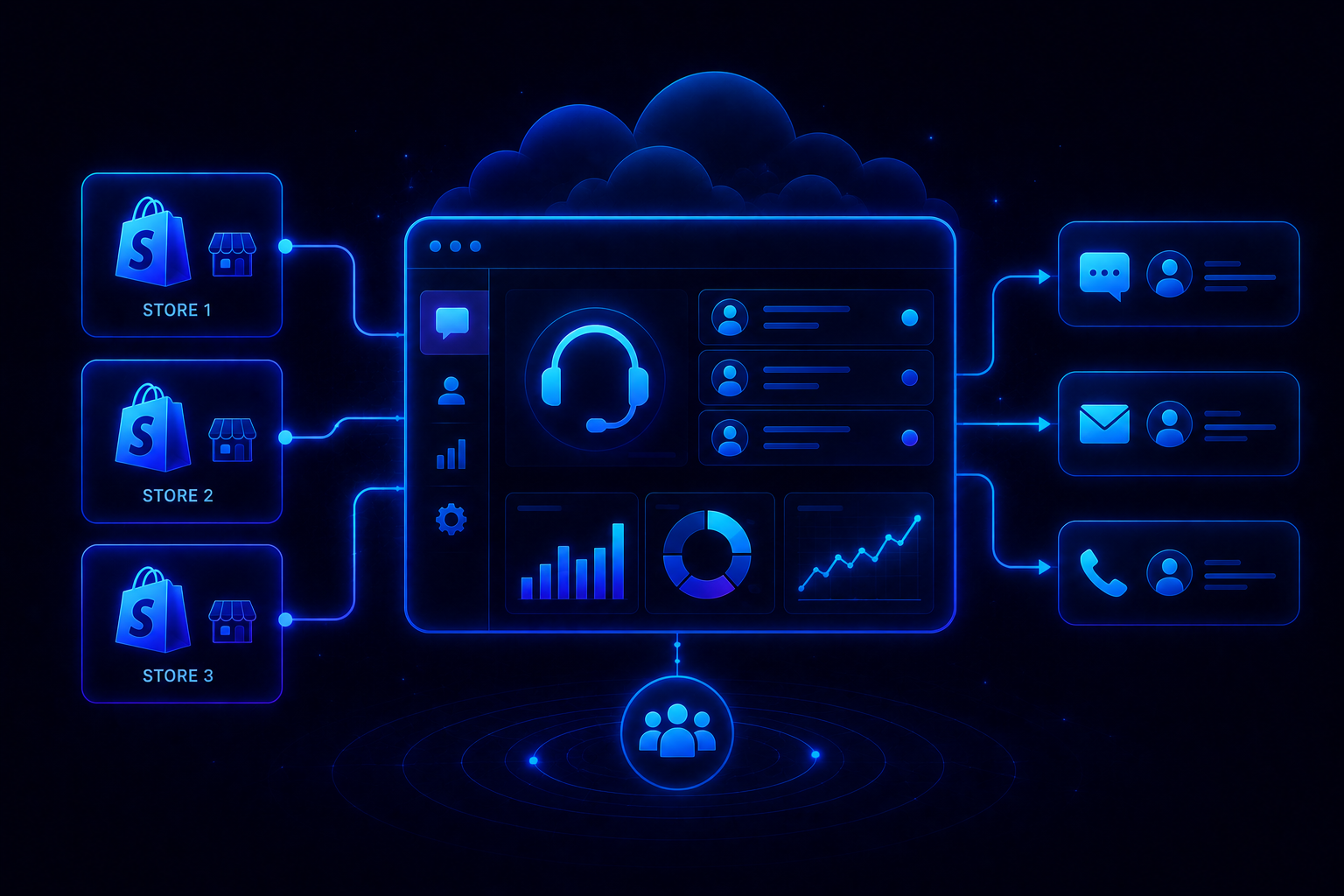
QuantumDesk is an AI-native customer service platform built for D2C brands, Shopify merchants, B2B SaaS teams, and SMBs managing high support volumes across email, WhatsApp, chat, and social.
Rather than requiring agents to navigate complex configuration, QuantumDesk routes tickets automatically and surfaces AI-drafted replies inline so every agent has the right answer without switching tabs or searching for policy documentation.
This is where ai native customer service benefits are most visible. Quantum AI Copilot guides non-technical agents through complex tickets so teams scale D2C customer support without increasing headcount or the technical training required per shift.
Key Capabilities of QuantumDesk
- Quantum AI Copilot drafts reply suggestions inline so non-technical agents send accurate responses without composing from scratch
- Quantum AI routing assigns category, priority, and responsible team automatically before any agent opens the incoming ticket
- AI-curated inbox organizes the queue by urgency and sentiment so non-technical agents start every shift on the highest-priority contacts
- Native Shopify integration surfaces order status and customer history inside the ticket view so agents respond without switching tabs
- Admin analytics tracks agent resolution rates, handle time, and ticket accuracy so managers identify coaching needs without reading individual tickets
Ready to see how it works? Book a demo to explore QuantumDesk for your team.
Frequently Asked Questions
1. What is a simple helpdesk for non-technical support teams?
A simple helpdesk for non-technical teams uses role-based views, plain language labels, AI reply assistance, and smart routing so agents can resolve tickets without IT training or technical system knowledge.
2. How do role-based views help non-technical agents?
Role-based views hide features agents do not need and reduce the options visible per session. Agents see only the queue, reply box, and tools relevant to their specific job role.
3. Can AI help non-technical agents write better replies?
Yes. An AI copilot embedded in the reply box drafts, shortens, and refines messages inline. Agents edit a suggested response rather than composing from scratch, reducing errors and improving reply consistency.
4. What causes non-technical agents to struggle with complex helpdesks?
Cluttered interfaces, jargon-heavy menus, manual ticket routing, and no in-platform guidance are the four main causes. Agents spend more time navigating the tool than resolving customer issues.
5. How does smart routing reduce the burden on non-technical agents?
Smart routing assigns category, priority, and responsible team automatically so agents never sort incoming tickets manually. Each agent opens the queue and sees only contacts matching their designated role and training.



.avif)