Summarize with AI
Key Takeaways
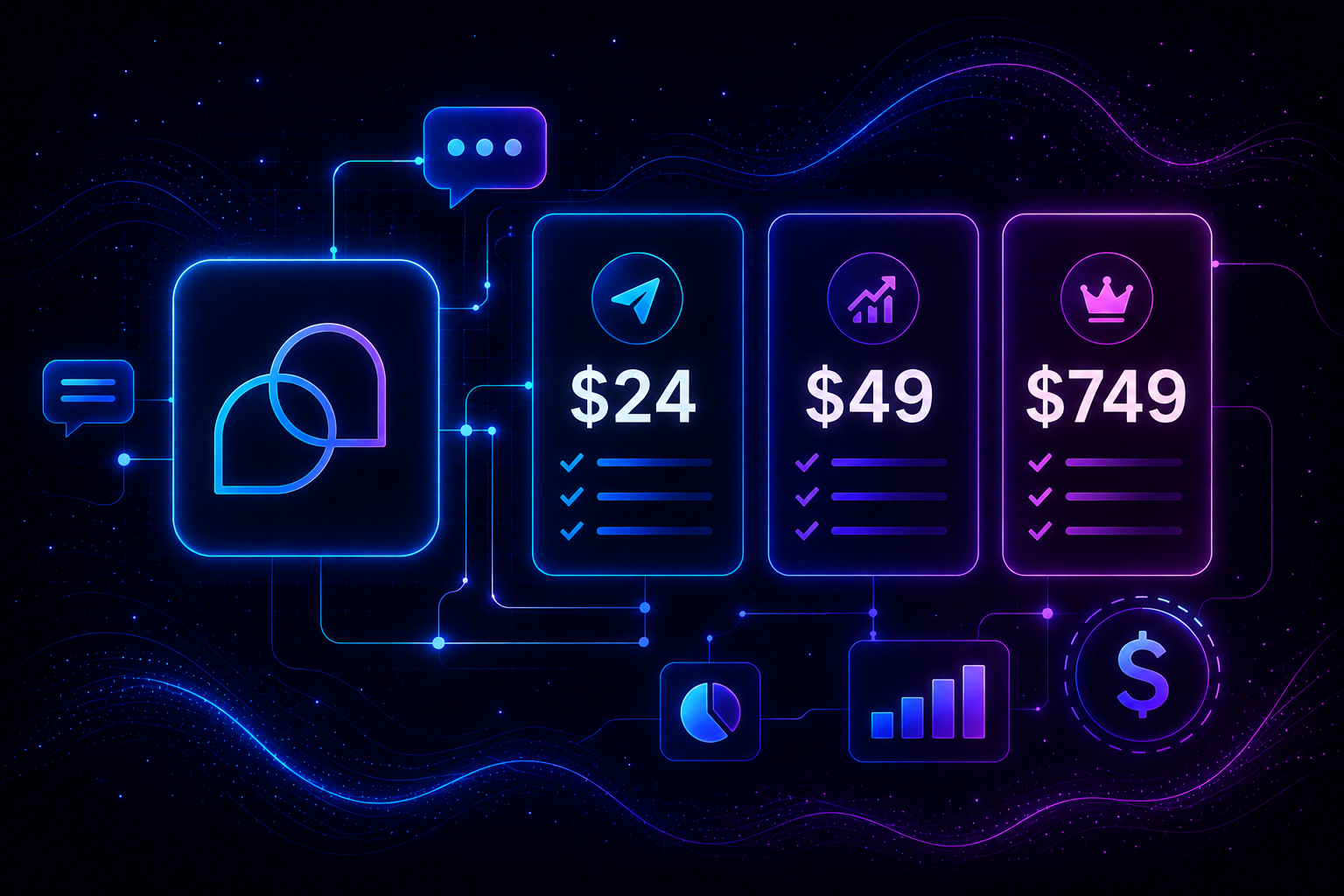
- Tidio's pricing scales by billable conversations, not agent seats, with four tiers ranging from free to $749 per month.
- Tidio's free plan includes 50 billable conversations and 50 one-time Lyro AI conversations alongside basic automation flows for visitors.
- The Starter plan at $24.17 per month annually includes 100 billable conversations, unlimited live chat tickets, and basic analytics.
- The Growth plan at $49.17 per month adds 250 billable conversations, advanced analytics, and automatic chat assignment rules.
- Tidio+ starts at $749 per month with custom conversation limits, a dedicated Customer Success Manager, and custom team roles.
Tidio's headline pricing starts at $29 per month on the Starter plan. For most growing D2C and SMB teams, this number rarely reflects actual monthly spend.
A D2C brand on Tidio's Growth plan adding Lyro AI effectively doubles its monthly bill overnight.
Conversation caps hit fast during D2C campaigns. Flows automation adds another separate charge. When volume crosses 250 conversations, the only next step is a $749 plan with no middle tier.
Real costs depend on conversation volume, AI add-ons, Flows usage, and the specific plan tier required for your channels.
You will learn about:
- How Tidio's pricing actually works across plans and add-on modules
- Where costs increase unexpectedly as conversation volume and channel needs grow
- When teams start looking at alternatives like QuantumDesk for more predictable pricing
The goal is: helping support teams make clear, well-informed decisions.
Tidio Pricing Plans Explained (2026)
What is Tidio and who is it built for?
Tidio is an all-in-one customer service platform. It combines live chat, the Lyro AI agent, helpdesk ticketing, and no-code automation flows. It is primarily built for SMB and e-commerce teams. D2C brands and online retailers managing multichannel conversations are the core audience.
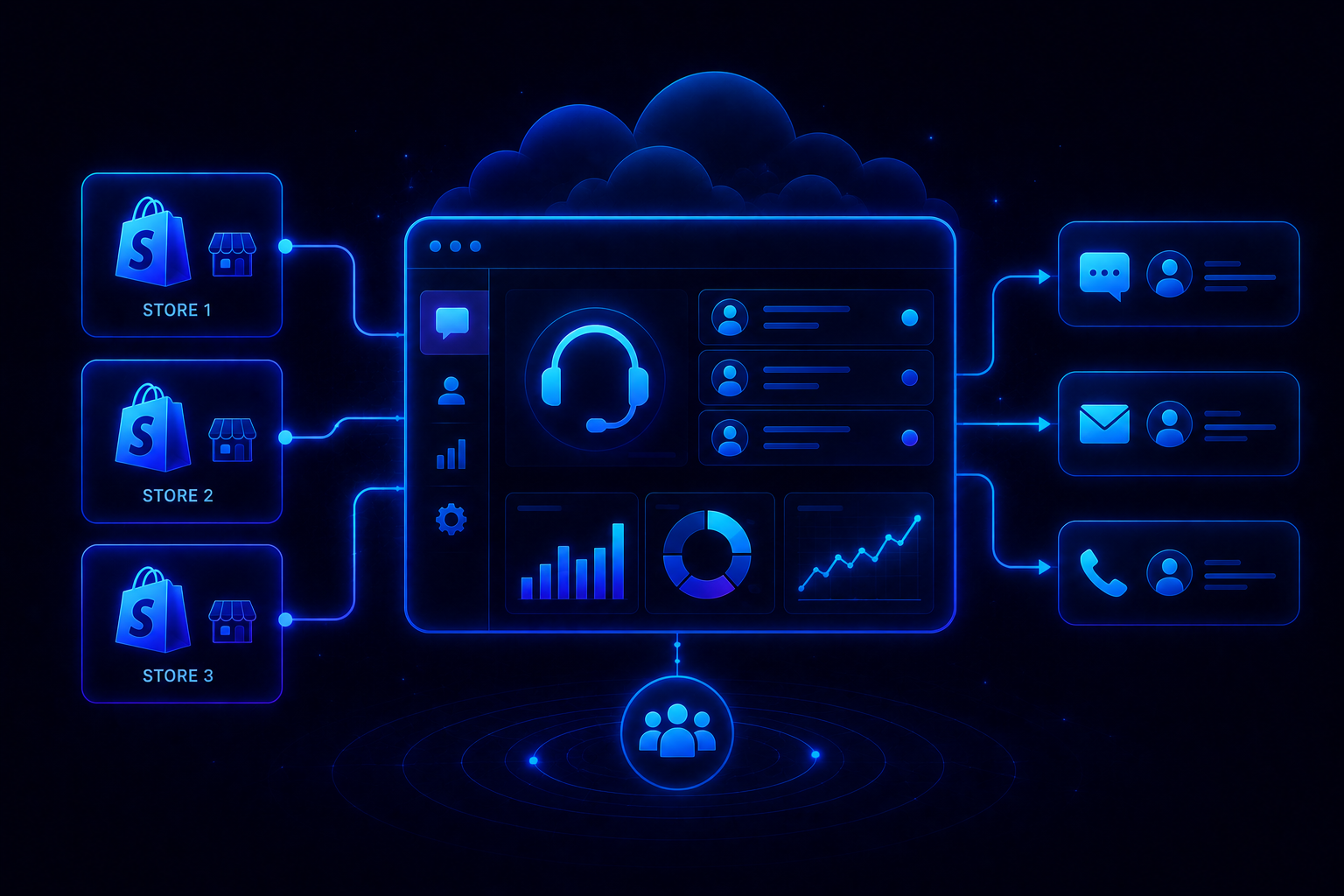
Support teams use Tidio to manage website chat, email, Facebook Messenger, Instagram, and WhatsApp from one inbox.
They run automated flows for lead capture, onboarding, and post-purchase support. Ticketing tracks inquiries from first contact through resolution.
How does Tidio's pricing structure actually work?
Tidio's base plans cover live chat, ticketing, and standard integrations.
- Starter ($29/month) includes 100 billable conversations.
- Growth ($59/month) raises the cap to 250+.
- Plus jumps to $749/month with custom limits. Lyro AI and Flows are sold as separate add-ons on top of any base plan.
Pricing scales primarily by billable conversations consumed each month. Hard caps force overage charges or plan upgrades when exceeded.
The main cost drivers for most Tidio customers:
- Plan tier jumps. Moving from Growth at $59 to Plus at $749 is a 12.7x cost increase. No intermediate tier exists.
- Lyro AI add-on. AI capabilities are not included in any base plan. Lyro starts at $32.50 to $39 per month on top of the base subscription.
- Flows add-on. Automation flows for proactive engagement and lead capture are billed separately. Pricing starts around $29 per month based on visitor volume.
- Conversation cap overages. Exceeding billable conversation limits triggers overage charges or forces an upgrade to the next plan tier.
Most teams underestimate their real spend. AI, Flows, and conversation overage all stack on top of the base plan.
Tidio Pricing Plans at a Glance
1. Starter plan
Who this plan is for
- Small D2C and SMB teams running a single store or website with low-volume support traffic.
- Early-stage businesses ready to commit to a paid plan but not yet handling complex automation.
Base price
Around $29 per month billed monthly. $24.17 per month billed annually. 100 billable conversations included.
What's included
- Live chat widget with up to 100 billable conversations per month
- Email ticketing integration for managing inbound customer queries
- Operating hours and basic agent permissions configuration
- Multi-channel inbox covering chat, email, Messenger, Instagram, and WhatsApp
- Basic reporting and visitor information panels
- Mobile and desktop apps with notification support
Where this plan starts breaking down
The 100-conversation cap is restrictive for any D2C store running paid traffic or seasonal campaigns.
Sudden volume spikes blow past the cap quickly.
Lyro AI and advanced Flows automation remain locked behind separate add-on purchases. No AI capability is available in the base plan.
2. Growth plan
Who this plan is for
- Growing D2C and SMB teams scaling beyond the Starter conversation cap and needing more automation.
- Multi-agent support teams that require team-based assignment, departments, and more advanced reporting.
Base price
Around $59 per month billed monthly. $49.17 per month billed annually. Starts at 250 billable conversations.
What's included
- Everything in Starter, plus 250+ billable conversations per month
- Team departments and automatic ticket assignment rules
- Enhanced analytics covering response times and conversation volume
- Advanced visitor tracking and engagement triggers
- Multi-project support across stores or brands
- Priority email support from the Tidio team
Where this plan starts breaking down
Reviewers consistently flag a strict cap on monthly chatbot conversations at this tier. Seasonal traffic spikes force upgrades.
The next step up from Growth at $59 is Plus at $749. That is a 12.7x increase with no intermediate plan available.
3. Plus plan
Who this plan is for
- Mid-market and multi-department support operations requiring custom branding, dedicated success, and higher volumes.
- D2C brands with multiple stores or B2B SaaS companies running structured support across teams and time zones.
Base price
Starts from around $749 per month. Custom billable conversation limits are negotiated based on team size and volume.
What's included
- Everything in Growth, plus custom billable conversation volumes
- Custom branding and white-label widget configuration options
- Dedicated customer success and onboarding support
- Advanced permissions, role-based access, and multi-project workspaces
- SSO and security configurations for compliance requirements
- Priority routing and dedicated technical support
Where this plan starts breaking down
The $749 entry point is hard to justify for mid-market teams sitting just above the Growth tier's cap.
Even at this price point, Lyro AI and Flows automation remain separately priced add-ons on top of the base subscription.
4. Premium plan
Who this plan is for
- Enterprise support organisations with compliance, SLA, and managed-AI requirements beyond what Plus delivers.
- High-volume B2B SaaS or enterprise D2C operations needing dedicated infrastructure and account-managed support.
Base price
Custom enterprise quote only. Pricing is available exclusively through a sales conversation with Tidio's enterprise team.
What's included
- Everything in Plus, with high-volume custom conversation allowances
- Enterprise-grade SLA commitments and uptime guarantees
- Dedicated account management and technical implementation support
- Compliance certifications and advanced security configurations
- Managed Lyro AI deployments with customised training and tuning
- Priority API access and custom integration support
Where this plan starts breaking down
No transparent pricing means evaluation requires multiple sales calls. Teams cannot compare against alternatives like Zendesk or QuantumDesk without that investment.
Enterprise customers often discover that custom pricing still includes per-conversation usage logic. Total annual cost remains difficult to forecast accurately.
What actually drives your monthly cost on Tidio?
1. Growth-to-Plus plan cliff
Tidio's biggest hidden cost driver is the jump from Growth at $59/month to Plus at $749/month.
A D2C cosmetics brand outgrowing the 250-conversation cap on Growth has no intermediate tier. The only options are absorbing a 12.7x monthly cost increase or staying capped and accepting overage charges that compound week over week.
2. Lyro AI add-on costs on top of base plans
Lyro AI is absent from every base plan. That includes Starter, Growth, Plus, and Premium.
Teams needing AI in customer service deflection must purchase the Lyro AI add-on separately. It starts at $32.50 to $39 per month for 50 to 1,000 Lyro conversations.
A Growth-tier team adding Lyro pays roughly $91/month total. That is nearly 55 percent more than the headline plan cost.
3. Flows automation add-on pricing
Flows is the no-code automation builder used for proactive chat triggers, lead capture, and post-purchase follow-ups.
It is priced separately starting around $29/month for 2,000 to 40,000 visitors reached.
A B2B SaaS team running multiple onboarding sequences alongside support quickly stacks Flows pricing on top of the base plan and any active Lyro AI subscription.
4. Conversation cap overages and annual lock-in
Tidio bills around billable conversations with hard monthly caps at each tier.
Exceeding the cap on Starter or Growth forces a plan upgrade or triggers overage charges.
Annual billing commitments mean teams cannot easily downgrade if seasonal volume drops. Cost stays locked in even when usage decreases substantially.
Real-World Tidio Pricing Examples
Example 1: small D2C store on Starter
A two-agent D2C apparel team running a Shopify store handles around 80 customer chats per month across email, Instagram, and the website widget.
- Starter plan: $29/month = $348/year
- If Lyro AI added (50 conversation cap): around $32.50/month = $390/year
- Total with AI: $61.50/month = $738/year
A two-agent team needing basic AI deflection pays over $700/year. That is before adding any Flows automation.
Example 2: growing D2C brand on Growth
A four-agent D2C cosmetics brand processes around 220 conversations/month across WhatsApp, Instagram, and email. Lyro AI handles repetitive product queries.
- Growth plan: $59/month = $708/year
- Lyro AI add-on (handling around 500 conversations): around $39/month = $468/year
- Flows automation for proactive engagement: around $29/month = $348/year
- Total: $127/month = $1,524/year
At four agents with AI and Flows added, annual spend crosses $1,500. That is before any conversation overage charges kick in.
Example 3: mid-market D2C or B2B SaaS team forced to Plus
A six-agent mid-market D2C lifestyle brand or B2B SaaS team consistently exceeds the Growth tier's 250-conversation cap. Monthly volume reaches 400 to 600 conversations across multiple channels during peak seasons.
- Plus plan: $749/month minimum = $8,988/year
- Lyro AI add-on at higher conversation volume: $39 to $99/month
- Flows automation at higher visitor reach: $29 to $79/month
- Total estimated: $817 to $927/month = $9,800 to $11,124/year
A team needing just a bit more capacity than Growth allows pays nearly $10,000 annually. There is no middle tier.
Where does Tidio pricing fall short as you scale?
Tidio's pricing structure looks manageable at Starter and Growth. Real cost pressure surfaces quickly.
The jump to Plus at $749 catches mid-market teams off guard. AI remains priced separately at every tier.
- The Growth-to-Plus cliff is punishing. A team needing 300 conversations/month is forced into a $749 plan designed for far larger operations.
- AI is never included at any tier. Even on Plus or Premium, Lyro AI and Flows automation stack as separate line items on top of the base subscription.
- Conversation-based caps create cost unpredictability. Seasonal spikes, flash sales, or product launches can push teams into overage charges or forced plan upgrades mid-month.
For teams that need AI, customer service automation, and predictable scaling under one cost model, QuantumDesk offers a structurally different approach.
How does QuantumDesk close the pricing gap Tidio leaves behind?
QuantumDesk is an AI-native customer service platform. AI is built into the core product, not gated behind a paid add-on like Lyro at $32.50/month on top of a base plan. There is no $59-to-$749 cliff.
Pricing is custom and scales with conversation volume and complexity. Mid-market teams are not forced into oversized enterprise tiers. The AI-native customer service benefits are structural, not cosmetic.
A D2C cosmetics brand that has outgrown Tidio's 250-conversation Growth cap does not need to absorb a 12.7x cost jump just to keep operating.
- The Quantum AI Agent resolves repetitive "where is my order?" and ingredient queries automatically.
- The Unified Inbox handles WhatsApp, Instagram, and email in one workspace.
- The AI Copilot drafts responses for agents without a separate Lyro subscription. It acts as a true AI customer service agent.
Teams most commonly evaluate QuantumDesk when Tidio's plan tier upgrades and Lyro AI add-on costs begin stacking faster than the platform delivers value back.
Tidio vs QuantumDesk: which is the better fit?
Here is how Tidio and QuantumDesk compare across the criteria that matter most for scaling D2C and SMB teams.
When does Tidio make sense and when is QuantumDesk a better choice?
Tidio makes sense if...
- Your D2C team is very small with low conversation volume that fits within the Starter 100-conversation cap.
- You primarily need a live chat widget for an e-commerce store and do not yet require AI deflection or deep automation.
- You are testing the small business customer service category for the first time and want a low-commitment entry point at $29/month.
QuantumDesk is a better fit if...
- You need AI that resolves L1 queries autonomously without paying an extra $32.50 to $39/month for Lyro AI on top of your base plan.
- Your team has outgrown Tidio's Growth tier conversation cap but cannot justify the 12.7x jump to the $749 Plus plan.
- You want a unified omnichannel inbox with strong WhatsApp routing, deeper analytics, and AI-native architecture from day one.
Frequently asked questions about Tidio pricing
Does Tidio have hidden costs?
Tidio's published prices do not include Lyro AI or Flows automation. Both are sold as separate add-ons on top of every plan.
Teams also frequently discover conversation overage charges when monthly volume exceeds the plan cap.
A Growth-tier team adding Lyro AI and Flows pays around $127/month. That is more than double the $59 headline price. The real all-in cost is significantly higher than what the plan page shows.
Why is my Tidio bill higher than expected?
The most common reason is that AI deflection and automation required adding Lyro AI and Flows as separate add-ons.
Teams that start on Starter at $29 and add Lyro AI at $32.50/month effectively double their per-month cost. That is before any Flows automation.
Annual billing locks that cost in for a full year before it can be renegotiated or reduced.
Can I predict my monthly cost on Tidio?
Base plan costs are predictable. Total cost depends on Lyro AI conversation volume, Flows visitor reach, and whether conversation caps are exceeded.
Teams running seasonal D2C promotions face additional unpredictability. Peak-volume months can push usage past the plan cap, triggering overage charges or forced upgrades.
Requesting a usage-based scenario quote before signing up is strongly recommended for any growing team.
When should I switch from Tidio to QuantumDesk?
The clearest signal is when your total Tidio bill, including Lyro AI and Flows, exceeds the value the platform delivers.
Teams also switch when they hit the Growth tier conversation cap but cannot justify the $749 Plus plan.
Others switch when they want AI built into the platform rather than billed as a separate line item every month. QuantumDesk is designed for exactly that inflection point.
Is QuantumDesk more expensive than Tidio?
QuantumDesk uses custom, quote-based pricing. A direct per-plan comparison with Tidio's published rates is not the right basis for evaluation.
The better question is total cost for equivalent capability.
A Tidio Growth team adding Lyro AI and Flows already pays around $127/month before overages. QuantumDesk bundles AI, automation, and omnichannel into the core platform. That makes it more cost-efficient for scaling D2C and SMB support teams.





.avif)