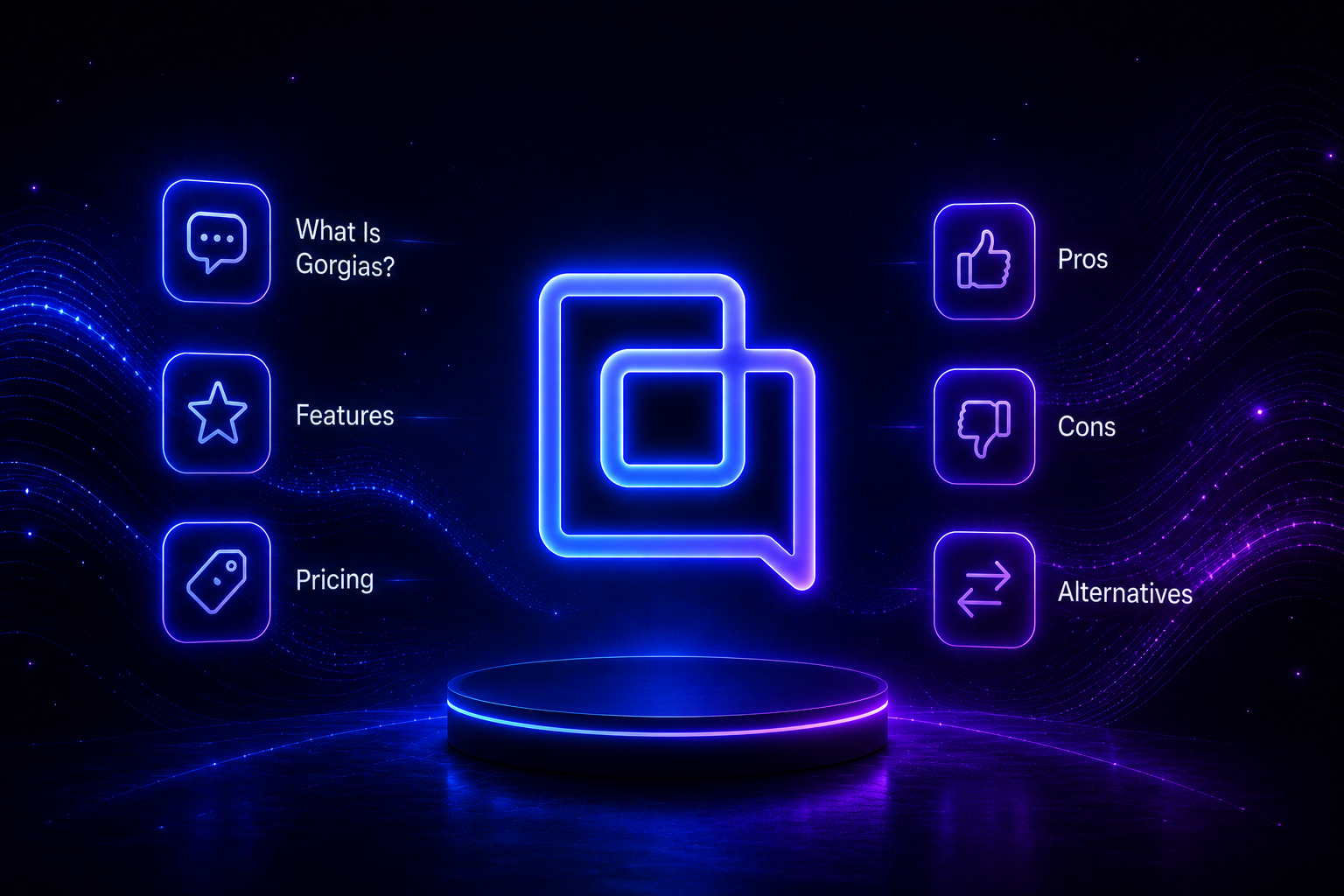
Summarize with AI
Key Takeaways
- Gorgias is an ecommerce helpdesk that connects to Shopify, Magento, and BigCommerce for order-based support.
- Core features include a unified inbox, in-ticket order actions, an AI agent, and revenue tracking.
- Gorgias splits every plan into a Helpdesk fee and a separate AI Agent fee, plus overage charges on both.
- Its biggest strength is native store integration; its biggest weakness is unpredictable billing at scale.
- QuantumDesk builds AI into the core platform, including native Shopify integration, without a separate paid AI bill.
If you sell on Shopify and searched for a helpdesk, you have run into Gorgias more than once.
Gorgias now powers support for more than 17,000 ecommerce brands and holds a rating of roughly 4.6 out of 5 across G2 and Capterra. That popularity makes it a default shortlist name, but popularity alone does not tell you if it fits your team.
Before you commit budget to any helpdesk, you need a clear view of what Gorgias actually does, what it costs, and where it falls short.
You will learn about:
- What Gorgias is and how it works with Shopify, Magento, and BigCommerce
- Its core features, from the unified inbox to the AI agent
- Real pricing, including the separate AI Agent fee most buyers miss
- How it compares to an AI-native alternative built for the same job
You will learn how to weigh Gorgias against your actual ticket volume and support goals, and where a platform like QuantumDesk fits better.
Gorgias at a Glance
What Is Gorgias?
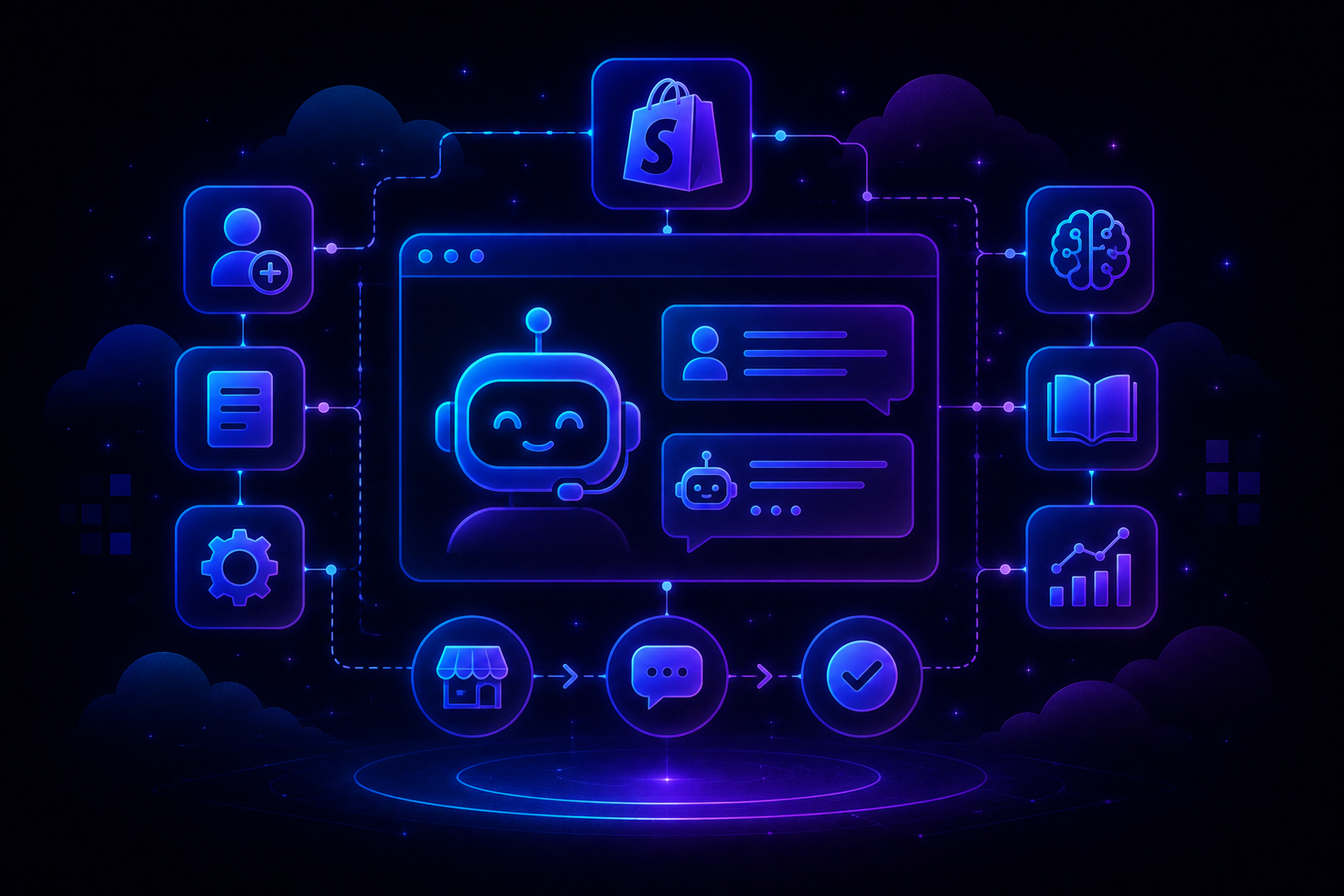
Gorgias is a customer service helpdesk built specifically for online stores. It connects directly to Shopify, Magento, and BigCommerce, pulling order history, tracking data, and customer lifetime value straight into a shared inbox for email, chat, social media, and SMS.
Agents see everything about a shopper on one screen instead of switching between the store admin and a separate support tool.
Unlike general-purpose helpdesks that added ecommerce features later, Gorgias built its identity around one use case: the online store. That focus is a big part of why so many DTC brands treat it as their starting point, though it is worth comparing against the wider best customer service software for ecommerce brands list before you commit budget.
Gorgias Pricing Explained
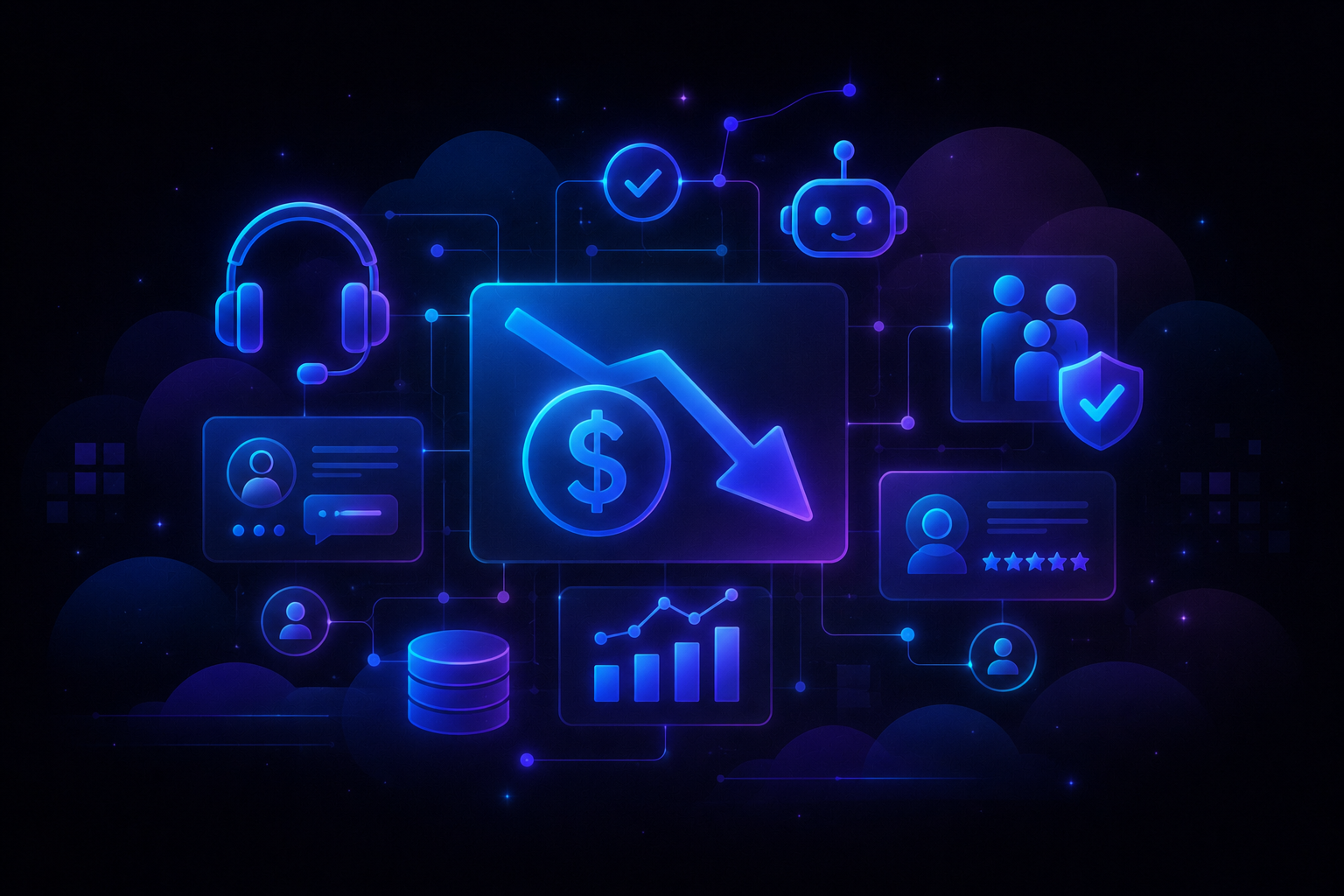
Gorgias does not charge per agent. Every plan splits into two separate line items instead: a Helpdesk fee for ticket volume and an AI Agent fee for automated resolutions, billed together but tracked separately, each with its own overage rate.
On monthly billing, that total splits into $10 Helpdesk + $30 AI Agent on Starter, $60 + $30 on Basic, $360 + $190 on Pro, and $900 + $530 on Advanced. Cross either limit and overage kicks in: $0.40 per extra ticket on Starter and Basic, $0.36 on Pro and Advanced, and $1.50 per automated interaction past your plan's limit on every tier.
A team on the Basic plan that goes from 30 to 100 automated resolutions in one busy month picks up roughly $105 in AI Agent overage alone, before counting any ticket overage from the same spike in volume. For the complete plan-by-plan math, see our full Gorgias pricing breakdown.
What Are the Key Features of Gorgias?
Gorgias concentrates its capabilities into four features that do most of the work for a small ecommerce support team.
1. Unified Omnichannel Inbox
Email, live chat, SMS, WhatsApp, voice, and social DMs from Instagram, Facebook, and TikTok all land in one queue. Agents open a single ticket and see the full conversation history alongside the customer's order data, instead of checking five different tools to piece a story together.
2. E-Commerce Actions in Tickets
Agents can issue refunds, cancel orders, edit shipping addresses, or apply discount codes without leaving the ticket. For a store where most tickets are order-related, this removes the tab-switching that usually adds minutes to every reply, one of the more direct ways brands work to reduce "where is my order" tickets and similar repeat questions.
3. AI Agent and Automation
An autonomous AI agent handles repetitive requests like order tracking and return policy questions, working alongside macros and rule-based automation. Gorgias markets this as resolving up to 60% of conversations, though independent reviews and its own case studies show real results closer to 26 to 56%, depending on how repetitive your ticket mix actually is.
Gorgias is one entrant in the broader AI help desk software category, not the only one built around automated resolution.
4. Revenue and Performance Tracking
Gorgias tracks any sale made within seven days of a support conversation and attributes that revenue back to the agent and channel involved. For support leaders trying to prove support drives revenue, not just cost, this reporting is one of the more distinct features on the platform.
What are the Pros and Cons of Gorgias?
We’ve included real user feedback from G2 below to highlight the most frequently mentioned pros and cons reported by Gorgias.
Pros
- Easy to use: Users frequently praise Gorgias for its ease of use, making it easier for support teams to manage customer conversations.
- Seamless integrations: G2 reviewers highlight Gorgias's integrations with multiple platforms as a major advantage for managing customer support workflows.
- Easy customization: Users appreciate the combination of integrations and customization options, which helps teams adapt Gorgias to their support workflows.
- Efficient ticket management: Reviewers value Gorgias for enabling quick responses and efficient management of customer support tickets.
Cons
- Learning curve during setup: Some users report that getting Gorgias configured properly can take time, particularly when teams need to adjust workflows and train users.
- Pricing concerns: Some reviewers consider Gorgias expensive and would prefer more affordable pricing or AI capabilities included in the core offering.
- Limited channel connectivity: Users point to limitations in connecting certain communication channels, which can make omnichannel support more difficult.
- Ticketing issues and glitches: Some reviewers report ticketing problems, including glitches and additional charges associated with certain features or add-ons.
- Limited reporting: Users say Gorgias's reporting capabilities can be insufficient for teams that need deeper analysis of customer interactions and support performance.
- Reporting and analytics depth: Some reviewers also indicate that the platform could offer more comprehensive reporting tools for extracting actionable insights from support data.
These patterns are based on G2's published pros-and-cons review insights, giving readers a view of what users appreciate about Gorgias as well as the limitations they encounter.
A flash sale hits a mid-size apparel brand on Gorgias's Basic plan → ticket volume jumps from 300 to 900 in a week → the monthly limit is gone by day three → overage charges and AI resolution fees stack on top → the next bill lands nearly three times higher than budgeted.
One busy week does not just cost more support time. It costs a support leader an unplanned line item to explain at the next budget review.
Where Gorgias Starts to Fall Short
Beyond the general pros and cons, real G2 reviews point to specific moments where Gorgias creates friction for growing teams.
1. Automation Takes Real Setup Time
Reviewers who rely on Gorgias for automation and reporting say the more advanced features need real fine-tuning before they work well. One user setting up multiple channels called the interface hard to navigate at first.
2. The Price Climbs Faster Than Expected
One reviewer on a mid-market team said Gorgias felt too expensive and wished AI came included at the same cost instead of billed on top. Another switched platforms entirely after feeling priced out with support that did not help.
3. Some Channels and Integrations Do Not Fully Connect
A store owner using Aircall found it clashed with Gorgias's own voice features instead of working alongside them. Another reviewer said the platform simply does not connect to every channel they use, forcing workarounds outside the inbox.
4. Tickets Get Shaky Once Volume Climbs
One reviewer running a high volume of tickets said the integration crashes constantly once things get busy, not occasionally. That kind of instability is the last thing a support team needs during its heaviest weeks.
5. Reporting Does Not Scale With the Business
As one small business grew, its team found Gorgias could no longer support the level of growth they needed, especially around deeper reporting. For a brand scaling past its first few hundred tickets, that gap shows up fast.
These challenges come directly from verified reviews on G2's Gorgias page. Read our full Gorgias reviews roundup for more real user feedback.
Top Gorgias Alternatives to Consider
If Gorgias does not fit your budget, platform, or automation needs, a few alternatives are worth a look before you commit. We cover the full list in our dedicated Gorgias alternatives guide, but here are the ones worth knowing first.
- QuantumDesk: An AI-native customer support platform built for the same Shopify, BigCommerce, and growing DTC teams Gorgias targets, but with AI built into the platform instead of sold as a separate metered add-on. It includes native Shopify order and customer data sync, an AI-curated inbox, and an AI copilot for agents, all without a per-resolution fee stacked on top of your plan.
- Richpanel: An ecommerce-native helpdesk with strong self-service customer portals and usage-based pricing.
- Re:amaze: Combines live chat, help centers, and social channels with built-in ecommerce automation.
- Zendesk and Freshdesk: Highly customizable generalist helpdesks suited to large, multi-industry teams, though they lack native ecommerce depth out of the box.
Each of these solves part of the problem Gorgias solves, but only one was built AI-first. Gorgias itself added its AI agent on top of a ticketing system designed before AI existed, then billed it as a separate, metered line item. That gap is where QuantumDesk starts.
For a wider side-by-side view, our best AI help desk software guide compares more options.
Gorgias vs QuantumDesk: Which Is a Better Fit for Your Team?
For years, Gorgias's biggest edge was being "the Shopify helpdesk." That edge is smaller today. QuantumDesk connects directly to Shopify order and customer data too, so Quantum AI can resolve order and account questions without an agent ever opening a second tab, the same core promise Gorgias built its name on. If Shopify-native AI support is the deciding factor for your team, our best AI customer support software for Shopify roundup goes deeper.
The real difference shows up in how AI gets billed. Gorgias's own pricing page splits every plan into a Helpdesk fee and an AI Agent fee, each with its own overage rate. QuantumDesk does not split AI usage into a second line item on your invoice.
For a Shopify brand that mostly needs order lookups, Gorgias covers the basics well. For a team that wants the same Shopify context and AI resolution without a second bill for it, QuantumDesk is built for that from day one.
How QuantumDesk Gives You AI-Native Support Without the Add-On
Gorgias proves ecommerce brands want AI handling repetitive tickets. The problem is how it gets delivered: bolted onto ticketing, then billed back separately.
QuantumDesk starts from the opposite direction. Quantum AI resolves repetitive requests like order status and return questions automatically- the same job Gorgias's AI agent does, but as a native part of the workflow rather than a metered add-on billed by the interaction, one of the core AI-native customer service benefits teams notice first.
The AI-curated inbox prioritizes tickets by urgency and sentiment before an agent ever opens them.
Quantum AI Copilot gives agents full context and suggested replies during live conversations, and the native Shopify integration pulls order and customer data directly into the thread.
Key QuantumDesk Capabilities:
- Native Shopify Integration surfaces order and customer data directly inside every conversation
- Quantum AI resolves repetitive queries automatically as part of the core workflow, not a paid extra
- Unified Inbox centralizes email, chat, WhatsApp, and social conversations with full order context
- AI-Curated Inbox prioritizes tickets by urgency, sentiment, and intent before agents open them
- Quantum AI Copilot gives agents full conversation history and suggested next actions
- Admin Analytics tracks AI resolution rates, escalation patterns, and CSAT trends in one dashboard
QuantumDesk does not replace your agents. It gives them the same AI power Gorgias charges extra for, built into the platform your team already works in every day. For the fuller picture on where AI and human agents each do their best work, see our guide on AI vs Human Customer Support.
Frequently Asked Questions
What is Gorgias used for?
Gorgias is an ecommerce helpdesk that centralizes support conversations from email, chat, SMS, and social media, connecting directly to Shopify, Magento, and BigCommerce for order-based customer service.
Is Gorgias free?
No. Gorgias starts at $40 a month for 50 tickets and 30 automated interactions, split between a Helpdesk fee and an AI Agent fee. Overage charges apply on both past those limits.
How much does Gorgias AI cost?
The AI Agent fee ranges from $30 to $530 a month depending on plan tier, plus $1.50 for every automated interaction past your plan's included limit.
What are the best Gorgias alternatives?
QuantumDesk, Richpanel, Re:amaze, Zendesk, and Freshdesk are common alternatives. QuantumDesk is the only one built AI-first with native Shopify integration and no separate AI billing line.
Does Gorgias work outside Shopify?
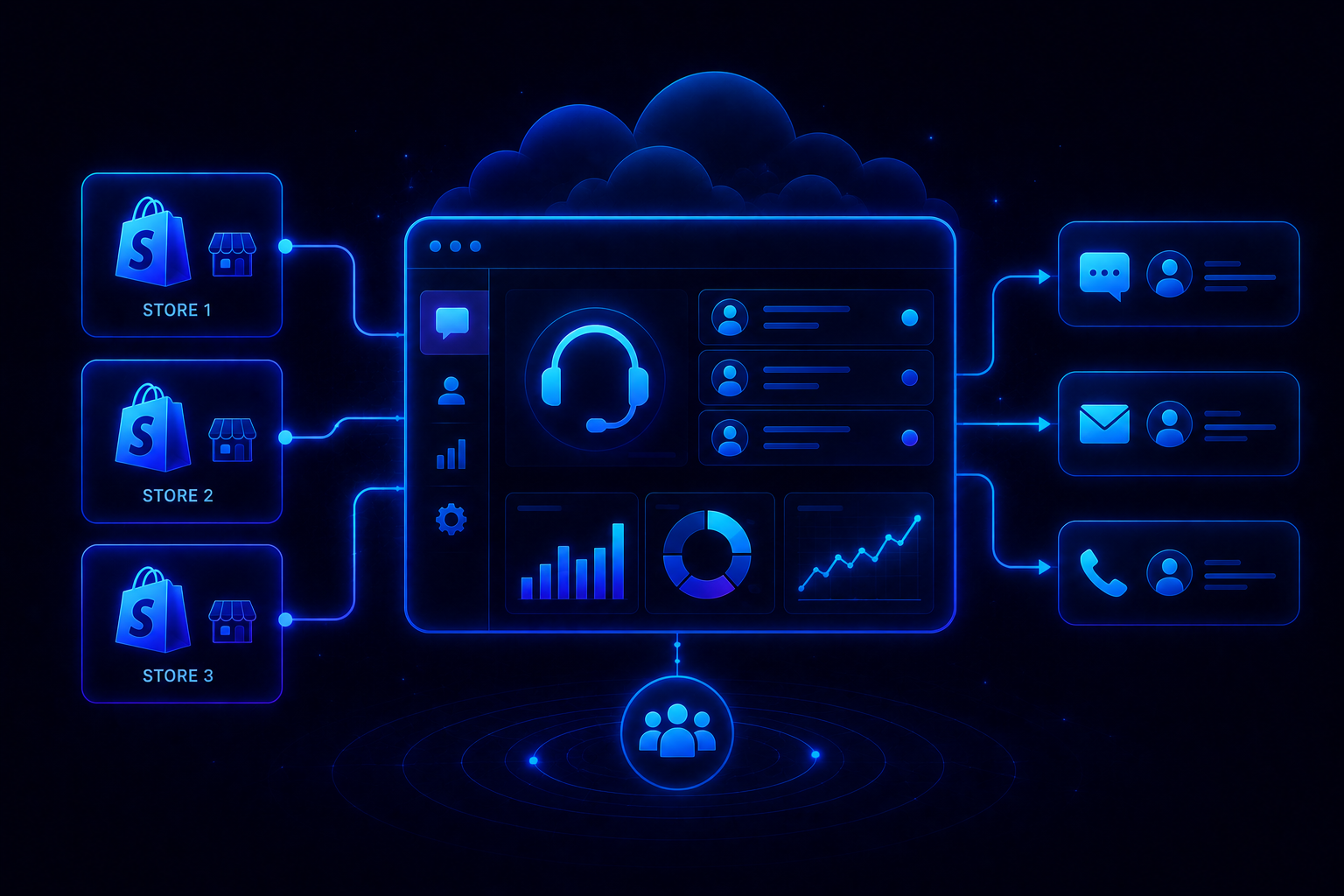
Gorgias also connects to BigCommerce and Magento, but its AI agent is built around one connected store at a time, so multi-store or non-Shopify setups need extra configuration.



.avif)