.jpg)
Summarize with AI
Key Takeaways
- Fin by Intercom holds a 4.5/5 on G2 from 3,811 verified reviews, recognized for AI automation and fast query resolution.
- Users consistently flag high pricing tiers, steep advanced customization curves, and limited reporting depth as recurring frustrations.
- Fin by Intercom works best for early-stage SaaS and technology teams that need low-friction automation without complex configuration.
- At scale, teams report pricing unpredictability, AI performance gaps on complex queries, and fragmented omnichannel visibility.
- QuantumDesk offers AI-native resolution, unified omnichannel support, and predictable pricing as a stronger alternative for scaling teams.
Fin by Intercom has built a recognizable presence among the best customer service software options on the market. Reviews across major platforms tell a compelling but layered story. Fin by Intercom holds a 4.5/5 rating from 3,811 verified reviews on G2, reflecting strong satisfaction among teams using it for automated support and quick resolutions. That said, feedback shifts noticeably depending on team size, ticket complexity, and how far teams push their automation capabilities.
This review covers:
- What users consistently praise about Fin by Intercom
- Where users struggle or raise recurring complaints
- When teams start considering alternatives like QuantumDesk
What Is Fin by Intercom, and Who Typically Uses It?
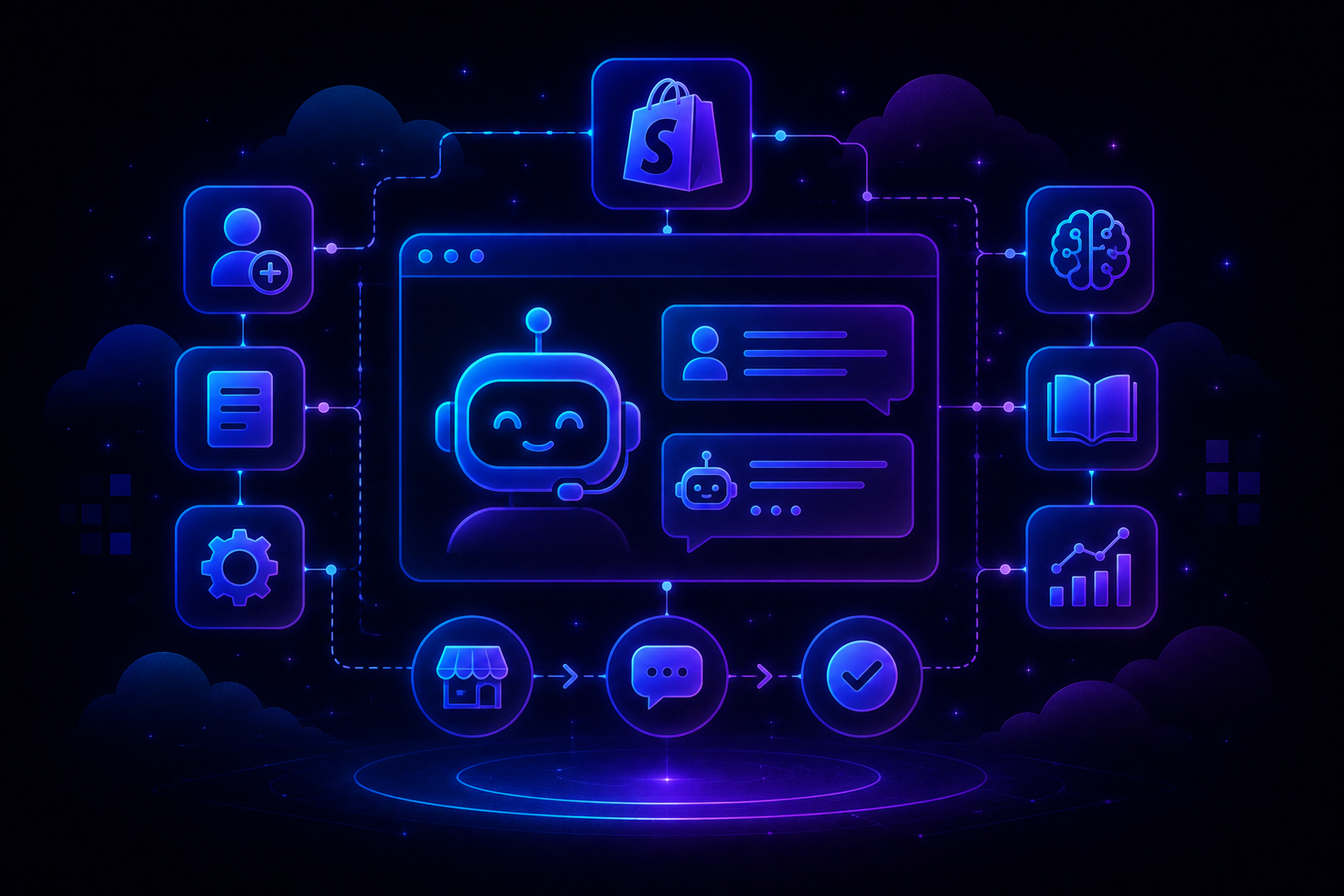
For teams researching the best help desk software options, Fin by Intercom is an AI-powered customer service platform that frequently comes up. It automates repetitive inbound queries and brings customer conversations from email, chat, and other channels into a single shared workspace.
The platform primarily attracts fast-growing SaaS companies, B2C technology businesses, and mid-market teams that need to scale customer communication without a proportional increase in headcount.
Support teams typically deploy Fin to handle
- High volumes of repetitive inbound queries
- Manage chat and email through a shared inbox
- Send proactive automated messages triggered by user behavior
Teams in e-commerce, fintech, and software products commonly rely on it for real-time customer engagement, onboarding support flows, and first-line query deflection, particularly where the goal is reducing live agent involvement on routine issues.
What Users Like About Fin by Intercom
Most positive reviews focus on early-stage value, fast automation setup, and how effectively the platform handles a high volume of routine inbound queries.
- Teams evaluating AI chatbots for customer service frequently highlight Fin's ability to reduce agent workload , users report that Fin handles repetitive queries using company knowledge base data, with several noting a measurable drop in live ticket volume within weeks of initial deployment.
- Unified inbox simplifies multi-channel management: Teams appreciate having chat, email, and social interactions visible in a single workspace, reducing context-switching for agents managing multiple conversations simultaneously.
- Core setup does not require technical resources: Multiple reviewers on Capterra and G2 note that getting foundational workflows live does not require developer involvement, which speeds up time-to-value for lean support teams.
- Proactive messaging capability stands out in the category: Support and success teams consistently highlight Intercom's behavior-triggered messaging , a strong example of conversational AI in customer service done well , as a genuine advantage over more reactive helpdesk platforms built purely for inbound management.
- Agent interface is modern and easy to navigate: Front-line agents describe the workspace as clean and intuitive, with minimal ramp-up time needed for new team members to become fully productive.
Common Complaints and Limitations in Fin by Intercom Reviews
Most negative reviews surface once teams begin scaling usage, increasing automation depth, or running into the ceiling of what the platform's pricing tiers allow.
1. Pricing escalates quickly as usage grows
A closer look at Intercom pricing reveals why cost is the primary frustration reviewers cite, with essential features gated behind higher tiers and seat-based pricing making scale expensive for teams expanding beyond a small core group.
2. Advanced customization involves a steep learning curve
Users attempting to build complex workflows or refine AI behavior report that documentation and customer success support do not adequately cover the depth of configuration required.
3. AI bot performance drops on nuanced or multi-step queries
While Fin handles routine queries reliably, reviewers note that it struggles with context-dependent or multi-layered issues, often triggering unnecessary escalations or returning responses that do not address the actual query.
4. Reporting lacks the depth operations leaders require
Support managers and team leads note that built-in analytics do not provide sufficient granularity for tracking resolution rates, escalation trends, or individual agent performance at any meaningful operational scale.
5. Intercom's own support team draws repeated criticism
A consistent pattern across G2, Capterra, and TrustRadius is frustration with slow or unhelpful responses from Intercom's support team when customers raise billing questions or technical issues, a tension that appears regularly in verified reviews.
Fin by Intercom Reviews by Use Case
1. Fin by Intercom for Small Teams or Startups
Small teams and early-stage companies generally report a positive experience with Fin by Intercom, particularly praising fast setup and strong AI automation from day one. Pricing friction does appear sooner than many expect, however, for teams managing tight budgets or evaluating long-term cost predictability.
2. Fin by Intercom for Growing or Scaling Support Teams
As ticket volume increases and teams require deeper automation logic, reviews become more mixed. Users at this stage begin flagging limitations in workflow customization, inconsistent AI performance on complex queries, and reporting tools that do not scale well alongside growing operational and management demands.
3. Fin by Intercom for Advanced or High-Volume Support Operations
At high-volume or enterprise scale, reviews turn notably critical. Teams with complex routing requirements, multi-region operations, or sophisticated SLA management consistently report that Fin by Intercom's out-of-the-box capabilities fall short of what a mature, high-stakes support function requires day to day.
Real User Review Highlights
The following are paraphrased summaries of verified user feedback from G2, Capterra, and TrustRadius.
- A G2 reviewer noted that Fin handles repetitive customer questions extremely well, though the cost becomes harder to justify as the team expands beyond a small core of users.
- A Capterra reviewer described the unified inbox as a genuine time-saver for their support agents but raised concerns about the limited reporting available at their subscription tier.
- A TrustRadius reviewer highlighted the AI bot's ability to resolve a meaningful share of incoming queries automatically, while flagging that customizing it for edge cases required more technical effort than initially anticipated.
When Fin by Intercom Is a Good Choice Based on Reviews
Reviews consistently identify specific contexts where Fin by Intercom genuinely delivers value and earns its strong overall rating across platforms.
- Early-stage SaaS teams managing moderate, predictable ticket volume: Teams handling routine, repetitive inbound queries at low to mid volume will find Fin's automation setup fast and effective without needing significant technical resources or implementation overhead.
- Teams where simplicity outweighs the need for deep AI customization: For teams that need chat, email, and foundational AI automation in one place without complex configuration requirements, Fin by Intercom covers core functionality well.
- Budget-conscious teams at the early stages of support operations: Entry-level tiers offer enough capability for teams not yet dealing with high scale, complex workflows, or the need for detailed operational reporting across multiple dimensions.
When Fin by Intercom Starts Falling Short
The majority of critical reviews emerge at a recognizable growth point, when teams scale ticket volume, expand channels, and begin requiring more reliable AI performance alongside deeper operational visibility.
1. AI limitations surface as query complexity increases
As support volume grows, Fin's resolution rate on complex queries drops, with teams reporting higher-than-expected escalation rates for issues that should be handled automatically at scale.
2. Pricing becomes unpredictable as teams expand
Seat-based and usage-based cost structures mean that support teams face significant cost jumps as headcount or resolution volume increases, making budget planning difficult across quarterly or annual cycles.
3. Omnichannel coverage remains fragmented under pressure
Teams managing support across WhatsApp, social media, and email report that Fin's channel handling does not deliver the unified, consistent experience expected when volume and complexity increase simultaneously.
4. Visibility and reporting gaps frustrate support leaders
Managers who need granular insight into resolution rates, team performance, and escalation patterns consistently find that native analytics do not provide the resolution rates, escalation trends, or agent performance data needed to manage a support team at scale.
How QuantumDesk Compares to Fin by Intercom Based on Common Review Gaps
QuantumDesk is an AI-native customer support platform and a leading choice among the best AI help desk software options for scaling teams. The gaps that appear most frequently in Fin by Intercom reviews , AI consistency, channel coverage, reporting depth, and pricing predictability , are areas where QuantumDesk is structurally different, particularly for teams at the scaling stage where Intercom's gaps become most operationally costly.
- Where Fin by Intercom reviews flag inconsistent AI performance, Quantum AI, QuantumDesk's native AI engine, resolves routine and complex queries automatically. Unlike Fin's AI layer, it operates inside the platform architecture rather than as a configuration layer on top of it
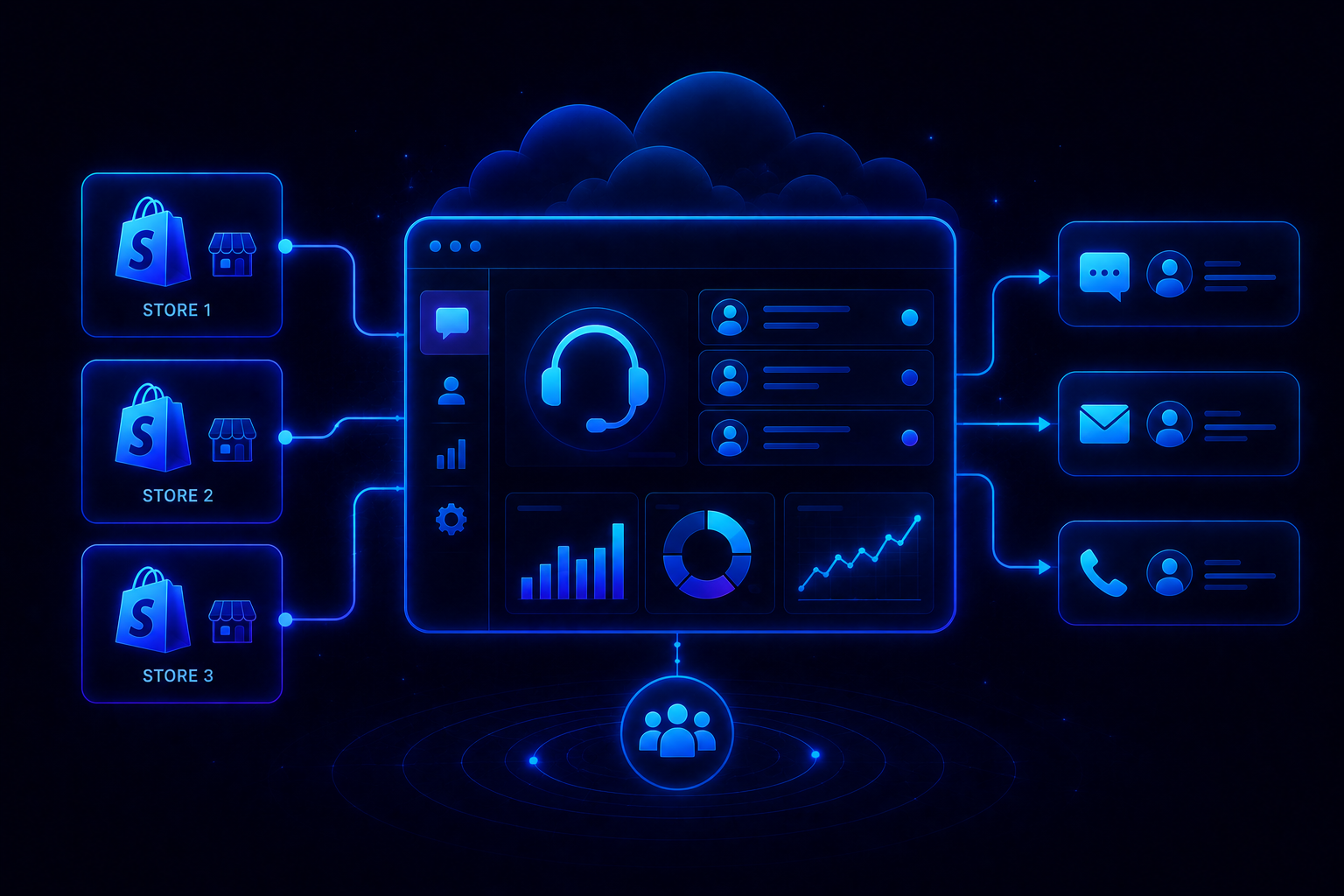
- Where reviews cite fragmented multi-channel handling, QuantumDesk unifies email, chat, WhatsApp, and social interactions in a single workspace, eliminating the channel gaps and context-switching that support teams consistently flag with Intercom at scale.
- Where reviews highlight agent productivity limitations, Quantum AI functions as a dedicated AI customer service agent and copilot for every human agent, drafting context-aware responses, summarizing conversations, and surfacing the next best action. This reduces handle time without requiring agents to switch tools or change their workflow.
- Where reviews flag poor admin visibility, QuantumDesk provides real-time dashboards covering resolution rates, escalation patterns, agent performance, and customer satisfaction trends in one consolidated view accessible to every operations leader.
Support teams exploring Intercom alternatives at the scaling stage frequently cite AI performance consistency, pricing predictability, and reporting depth as the reasons they evaluate QuantumDesk.
Fin by Intercom vs QuantumDesk: Which Is the Better Fit?
Final Verdict on Fin by Intercom Reviews
Fin by Intercom earns its strong G2 rating for legitimate reasons, and a balanced read of user feedback points to a clear picture on both sides.
Where it genuinely delivers:
- Fast AI automation setup that reduces agent workload from day one without requiring developer involvement
- A clean, modern agent workspace that front-line teams find intuitive and easy to adopt
- Proactive messaging capability that outperforms more reactive, inbound-only helpdesk tools in the category
Where verified reviews consistently flag friction:
- Pricing at scale, AI performance on complex queries, and reporting depth are the three areas where teams most often cite diminishing returns as operational demands grow
When QuantumDesk becomes the stronger choice:
- For support teams reaching the growth threshold where Intercom's limitations become operationally costly, QuantumDesk offers the AI-native foundation, unified omnichannel coverage, and pricing transparency that Fin by Intercom reviews repeatedly identify as absent
Frequently Asked Questions About Fin by Intercom Reviews
1. Is Fin by Intercom worth it based on reviews?
For early-stage teams managing moderate inbound volume, reviews generally support the value proposition. Setup is fast, AI automation handles routine queries well, and the unified inbox improves agent efficiency without a heavy implementation lift.
The value calculation shifts as teams scale. Pricing escalates quickly, advanced features require higher tiers, and reviewers at the growth stage frequently describe a diminishing return on investment compared to alternatives that offer more transparent cost structures and deeper AI performance without the configuration burden.
2. What do users dislike most about Fin by Intercom?
Pricing is the most frequently cited frustration across G2, Capterra, and TrustRadius. Users describe costs increasing rapidly as team size or resolution volume grows, with key capabilities often locked behind premium tiers.
Beyond pricing, reviewers consistently raise concerns about AI performance on complex queries, limited reporting depth for operations leaders, and slow response times from Intercom's own support team when technical or billing issues arise, a pattern noted with some regularity across verified public reviews.
3. Is Fin by Intercom suitable for scaling support teams?
Early scaling is manageable for most teams, but reviews suggest the platform begins showing strain once ticket complexity, team size, and operational reporting demands increase at the same time.
Teams that need sophisticated AI routing, granular performance tracking, and consistent omnichannel coverage across all primary channels frequently report that Fin by Intercom requires workarounds or supplementary tooling at this stage, both of which add operational overhead that scaling teams are specifically trying to avoid.
4. Why do teams switch from Fin by Intercom to QuantumDesk?
The most common trigger is a combination of pricing pressure and platform ceiling. Teams reach a point where Intercom's cost is no longer proportional to the capability delivered, particularly when AI performance on complex queries or reporting granularity falls short of what the support function requires.
QuantumDesk addresses these gaps directly: AI-native resolution that handles complex queries reliably, unified omnichannel support across all primary channels, real-time operational dashboards, and pricing that stays predictable as support operations grow. These are the specific factors that switching teams most frequently cite as their primary reasons for moving.
5. Are QuantumDesk reviews more positive than Fin by Intercom?
Fin by Intercom carries a strong overall rating built across a large review base and many years in the market. At the growth stage where Intercom reviews consistently surface friction, At the stage where Intercom reviews consistently surface friction pricing pressure, AI performance gaps, and limited reporting, QuantumDesk directly addresses the operational gaps that matter most to scaling support teams
Rather than a direct comparison of aggregate scores, the more relevant question is fit-for-stage. Teams with early-scale, routine support needs often remain satisfied with Intercom. Teams pushing into higher-complexity operations, tighter budget constraints, and full omnichannel requirements consistently find QuantumDesk a stronger match for where their support function is heading.



.avif)