Summarize with AI
Key Takeaways
- B2B customer service success requires proactive account management and a consultative approach to resolve complex client challenges.
- Monitoring account health and scheduling regular check-ins helps identify churn risks before they affect retention outcomes.
- Dedicated account ownership combined with complete customer context improves resolution quality across multi-stakeholder B2B relationships.
- Self-service resources and AI automation help B2B teams scale support capacity without increasing headcount or operational costs.
- Service quality directly influences renewal decisions, making customer service one of the most important drivers of B2B revenue.
In B2B businesses, customer service influences renewals, expansions, referrals, and retention more than many realize.
A single unresolved issue can affect stakeholders, delay projects, and threaten contracts. Retaining existing customers typically costs less than acquiring new ones, making customer service an important contributor to long-term revenue growth.
I submitted a billing issue → waited three days → escalated through my account manager → questioned renewal afterward.
What this means for growing B2B support teams:
- B2B customers expect strategic support, not just ticket resolution.
- Multiple stakeholders require consistent communication and complete account visibility.
- Service quality often influences renewals more than product features alone.
- Proactive support prevents small issues from becoming churn risks.
You will learn how to improve retention through proactive support, stronger account management, AI, and better processes.
What Is B2B Customer Service?
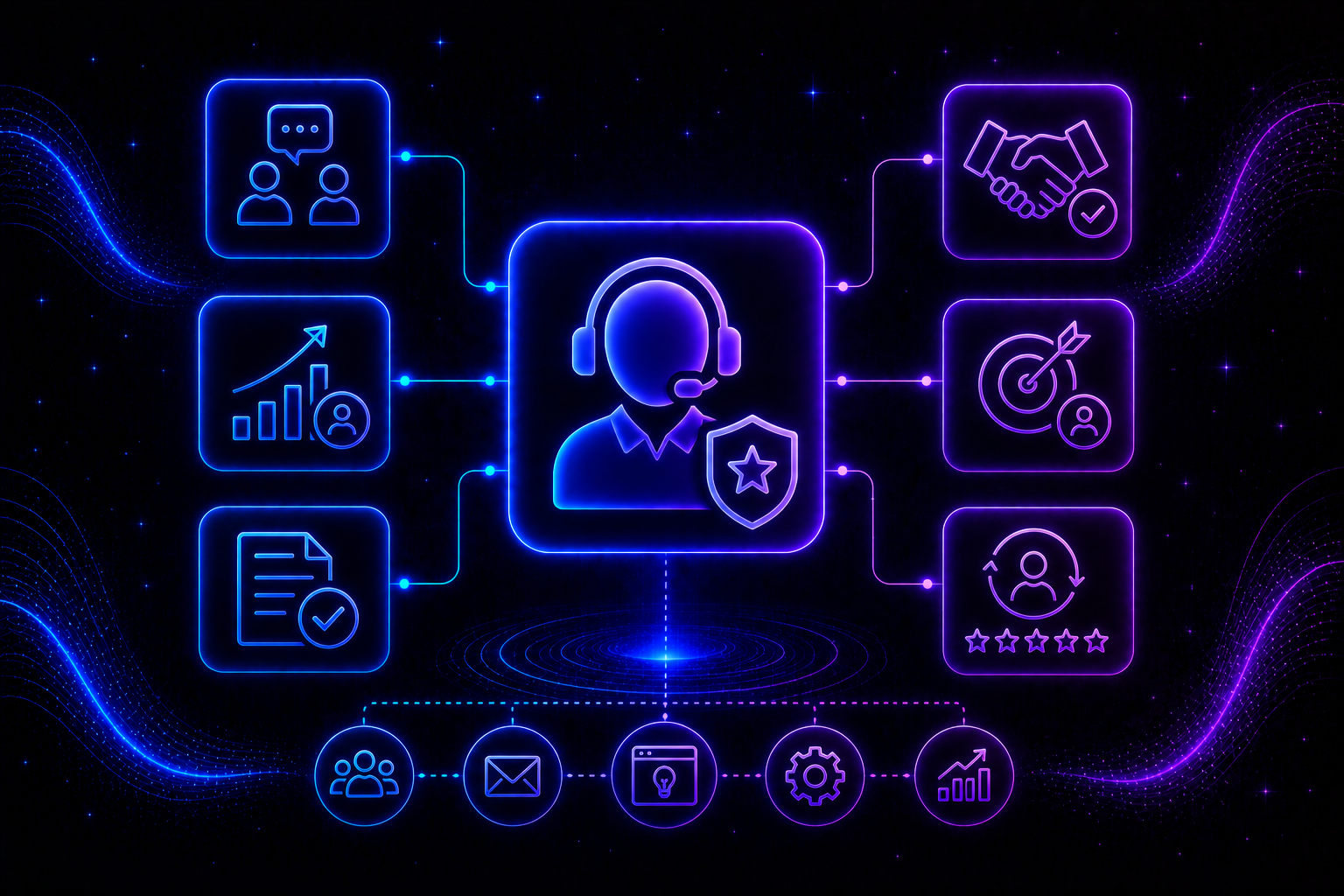
B2B customer service refers to the support and guidance a business provides to other businesses throughout the customer lifecycle. Unlike consumer support, it focuses on long-term relationships while helping customers achieve operational and business objectives.
B2B support teams often work with end users, administrators, procurement teams, executives, and technical decision-makers. These relationships require deeper product knowledge, stronger communication skills, and greater account visibility than most consumer support environments.
Key Characteristics of B2B Customer Service
- Long-term customer relationships rather than one-time transactions.
- Multiple stakeholders are involved in purchasing and support decisions.
- Higher-value contracts with greater business impact.
- More complex technical, operational, and integration-related issues.
- Strong focus on retention, renewals, and account growth.
For example, resolving a software issue may involve coordinating with IT teams, implementation specialists, and executive sponsors. The objective is not only solving the immediate problem but also to ensure customers continue receiving value from the product.
Effective B2B customer service combines expertise, responsiveness, communication, and partnership to support long-term success.
Difference Between B2B and B2C Customer Service
Understanding the distinction between B2B and B2C customer service is important because customer expectations, support processes, and business outcomes differ significantly.
Why Customer Service Has Become a Retention Strategy in B2B
Customer service is no longer viewed solely as a cost center. For many B2B organizations, it directly affects retention, account growth, and customer lifetime value because every interaction shapes customer perceptions.
Understanding why customer service is important to a business makes it clear that these interactions translate directly into revenue outcomes across every stage of the account lifecycle.
1. Retention Is More Valuable Than New Acquisition
Acquiring new customers often costs more than retaining existing accounts. When support teams consistently deliver value, customers are more likely to renew agreements and expand product usage over time.
2. Service Quality Influences Every Renewal Discussion
Customers may appreciate a product yet reconsider renewal when support interactions feel slow, inconsistent, or disconnected from their needs. Monitoring the right customer service metrics at the account level helps teams identify gaps before those gaps appear in a renewal conversation.
3. B2B Customers Expect Strategic Partnerships
Modern buyers expect vendors to understand their challenges and objectives. Strong support teams help customers achieve measurable outcomes, not just resolve isolated tickets.
4. Poor Support Creates Churn Risk Across Stakeholders
Technical users, executives, procurement leaders, and operations managers often evaluate support differently. One unresolved issue can negatively affect an entire account when multiple stakeholders form their impressions independently.
Organizations that align support performance with retention goals build stronger relationships and reduce avoidable churn.
6 Best Practices to Improve B2B Customer Service
Successful B2B support teams focus on preventing customer frustration before it occurs. These practices strengthen relationships and improve retention across accounts of every size.
1. Move From Reactive Support to Proactive Support
Monitor product adoption, account health, ticket trends, and engagement levels to identify risks early. A SaaS customer showing declining usage for several weeks may need intervention before evaluating alternative solutions.
Agentic AI for customer service makes it possible to surface these signals automatically, so teams can reach out before a risk becomes a renewal conversation.
2. Create a Consistent Communication Cadence
Schedule regular touchpoints through onboarding reviews, monthly check-ins, and quarterly business reviews. Consistent communication uncovers concerns early and reinforces a genuine commitment to customer success rather than leaving customers to raise issues on their own.
3. Assign Dedicated Ownership for Key Accounts
High-value customers benefit from account managers, customer success managers, or specialized support teams who understand their goals and workflows.
Dedicated ownership improves continuity and reduces the unnecessary friction that comes from rotating agents who lack account context.
4. Build and Enforce Tiered SLAs
Clear service level agreements define response times, escalation procedures, and resolution targets. Prioritizing issues by severity helps teams focus resources on business-critical problems first.
Measuring customer satisfaction metrics at the account level makes it possible to assess whether those SLAs are producing the outcomes they were designed to deliver.
5. Maintain Complete Customer Context
I raised a technical issue via chat → followed up through email → joined a support call → repeated the problem again from scratch. Context loss creates frustration and delays resolution. Unified records help teams deliver smoother support experiences regardless of which channel or agent a conversation passes through.
6. Collect and Act on Multi-Level Feedback
Gather feedback from executives, buyers, administrators, and daily users. Different stakeholders experience the relationship differently, and their perspectives help identify gaps that could affect retention, adoption, or future expansion opportunities.
Following up on collected feedback closes the loop and demonstrates that the business takes health seriously.
How to Scale B2B Customer Service Without Increasing Team Size
As customer bases grow, support demand increases quickly. Sustainable growth requires scalable processes, self-service resources, and intelligent automation rather than proportional headcount expansion.
Step 1: Build a Knowledge Base That Solves Real Problems
Effective B2B self-service begins with documentation that addresses real customer problems, not generic company-written answers.
- Include onboarding guides, troubleshooting documentation, API references, and product walkthroughs customers can access independently.
- Prioritize content around the queries generating the highest inbound ticket volume each month.
- A team repeatedly answering the same integration question can replace that effort with one well-written guide.
Step 2: Use AI to Handle Repetitive Requests
Routine queries around billing, account access, password resets, and subscriptions are the clearest automation candidates.
- Customer service automation removes predictable manual queries from the agent queue systematically and without additional headcount.
- AI in customer service handles repetitive requests at scale, freeing agents to focus on complex, high-value account issues.
- Ticket volume drops when common questions are resolved automatically before they reach a human agent.
Step 3: Offer Omnichannel Support With Shared Context
B2B customers frequently switch between email, live chat, WhatsApp, and support portals depending on their urgency.
- Omnichannel customer service with unified visibility prevents context loss every time a customer changes channels.
- Agents see the full conversation history regardless of which channel the customer contacted first.
- Shared context means customers do not need to repeat their issue during every new interaction.
Step 4: Enable Faster Internal Collaboration
Complex B2B issues routinely involve product, engineering, implementation, and customer success teams working together simultaneously.
- Clear internal ownership prevents complex tickets from stalling between teams without resolution progress.
- Structured collaboration tools reduce the back-and-forth that unnecessarily increases customer wait times.
- Understanding how to scale customer support effectively means building internal workflows that support rapid escalation without increasing customer effort.
How QuantumDesk Helps B2B Teams Improve Retention Through Better Customer Service
Many B2B support teams struggle with fragmented conversations, repetitive tickets, and limited account visibility, which directly affect service quality when customer relationships matter most.
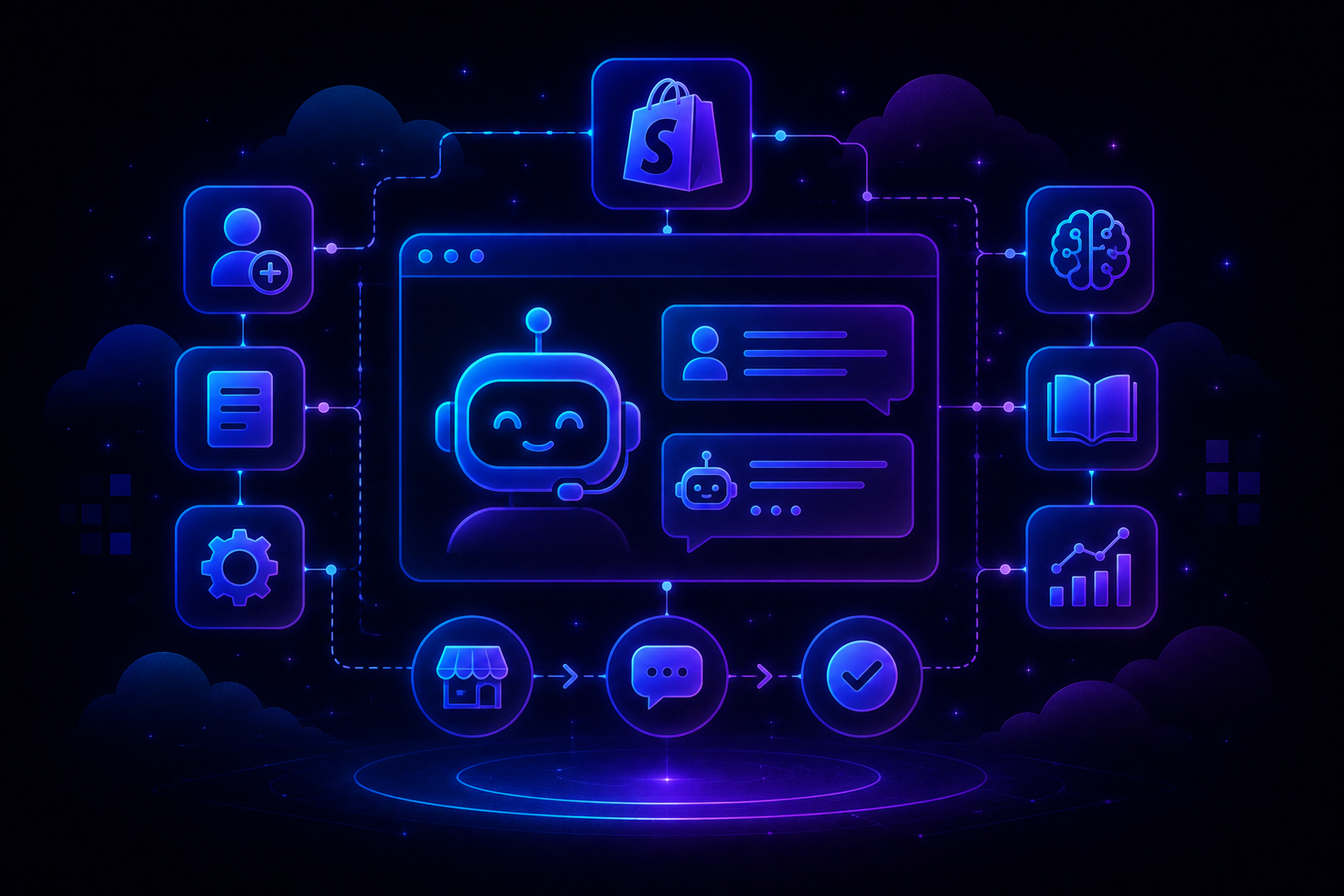
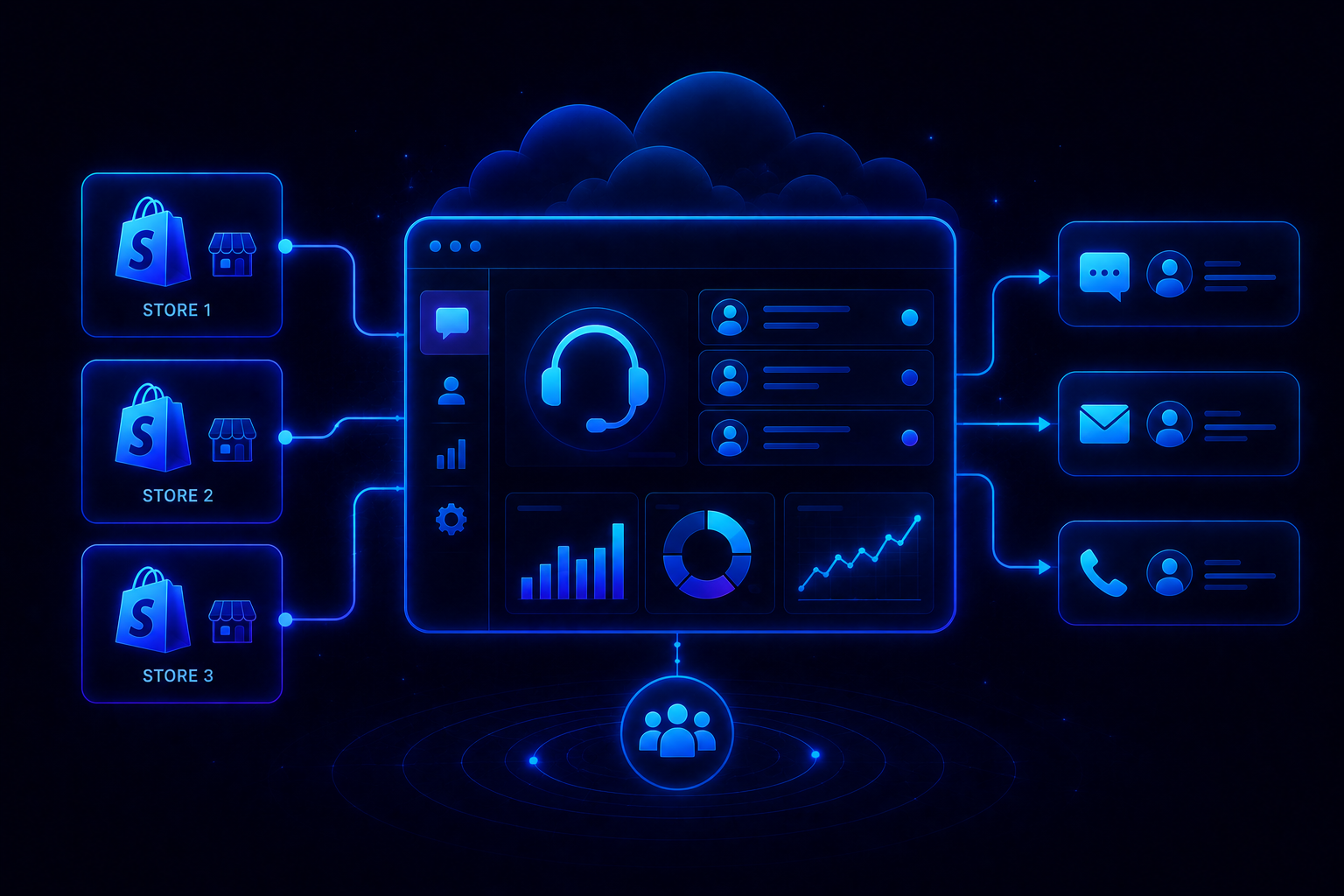
QuantumDesk centralizes conversations from email, live chat, WhatsApp, and other channels into one workspace. Agents gain complete account context, including previous interactions, stakeholder activity, and ongoing issues, without switching between multiple systems. The AI-native customer service benefits become measurable quickly.
Instead of building separate workflows for every channel or query type, B2B support teams manage everything from a single platform.
- Unified Inbox centralizes every customer conversation from email, WhatsApp, live chat, and social media into one shared workspace.
- AI-Curated Inbox prioritizes conversations by urgency, intent, and sentiment so critical issues always reach agents first.
- Quantum AI automates repetitive support requests, drafts context-aware responses, summarizes conversations, and recommends next actions for every agent.
- Quantum AI Copilot gives agents full conversation history, intent signals, and suggested responses before the first reply.
- Admin Analytics surfaces AI resolution rates, escalation patterns, and satisfaction trends so support leaders can act on gaps before they affect retention.
The result is faster resolutions, stronger account relationships, and a support system that scales with demand. Teams evaluating the right Best SaaS help desk software find that AI-native platforms deliver measurable retention impact from day one.
Frequently Asked Questions
What are B2B customer service best practices?
B2B customer service best practices include proactive support, dedicated ownership, tiered SLAs, omnichannel support, automation, and feedback collection. Together, these practices help teams prevent churn, resolve issues faster, and strengthen long-term account relationships.
Why is customer service important for B2B retention?
Customer service affects renewals, satisfaction, and trust. Poor experiences can influence stakeholders and increase the likelihood of churn, particularly when issues remain unresolved across multiple contacts or escalation paths.
How is B2B customer service different from B2C customer service?
B2B customer service involves longer relationships, multiple stakeholders, complex issues, and business outcomes that extend beyond individual transactions. B2C support is usually transactional and focused on resolving single-customer queries quickly.
How can AI improve B2B customer service?
AI automates repetitive requests, improves prioritization, assists agents with drafting and summarization, surfaces complete customer context, and reduces workload for support teams managing growing account volumes.




.avif)