Summarize with AI
Key Takeaways
- Customer satisfaction software has evolved well beyond post-interaction surveys into AI-powered platforms that analyze sentiment in real time, trigger context-aware feedback, and surface actionable insights without manual reporting.
- QuantumDesk leads the list as the only AI-native platform where CSAT is embedded across the entire support workflow, not a separately purchased survey tool that sits outside the interaction itself.
- Qualtrics and Medallia are strong choices for enterprise-scale voice-of-customer programs, though their depth and pricing make them better suited for large research teams than lean SMB operations.
- SurveySparrow and Typeform are best for teams needing high-response-rate conversational surveys and design flexibility without AI-powered sentiment analysis built natively into the support platform.
- The right CSAT software depends on whether you need post-interaction surveys, real-time sentiment tracking, enterprise-grade analytics, or AI embedded natively in your support workflow from day one.
A missed support interaction does not just lower a csat score. It ends a customer relationship, generates a public review, and costs every future buyer who reads it before deciding whether to purchase.
I bought a moisturizer based on the brand's recommendation → my skin reacted badly → I messaged chat support → got a FAQ link about returns → no one addressed my actual concern → I posted about it publicly → the brand lost 3 potential customers from my network alone.
One unresolved conversation. Three lost customers. A public post that every new visitor will encounter before trusting the brand with their skin.
D2C brands and support teams face this daily. The gap is not just between a bad experience and a good one. It is between a support system that identifies dissatisfaction as it happens and one that discovers it only after the review is already live.
This guide compares 10 customer satisfaction software platforms across features, AI capabilities, pricing, and real-world fit to help teams find the right solution.
How tools were evaluated:
- Hands-on testing across real support workflows
- Customer conversations and user feedback
- Review platforms like G2 and Capterra
- Insights from Reddit and support communities
- Competitive positioning analysis
Whether you run a lean D2C support team or a scaling B2B operation, this comparison will help you find the right platform based on your specific team size, feedback goals, and workflow requirements.
A Quick Comparison: 10 Best Customer Satisfaction (CSAT) Software
How We Evaluated These Customer Satisfaction Software Platforms
We selected these platforms by analyzing real-world CSAT collection and analysis workflows, comparing AI capabilities, and evaluating how effectively each solution improves feedback quality, response rates, and actionable insight generation for support teams.
- G2, Capterra, and software marketplace analysis to verify ratings, review patterns, and industry-specific fit across team sizes
- Customer feedback from support and CX teams to surface real usage patterns beyond vendor marketing claims
- Competitive benchmarking across survey design flexibility, AI analytics depth, real-time dashboards, and integration coverage in 2026
- Reddit discussions and CX communities for unfiltered user feedback on response rates, ease of use, and daily operational performance
- Hands-on product exploration of survey builders, analytics dashboards, and workflow automation capabilities
- Pricing, scalability, and integration considerations for teams at early, mid, and high-growth stages
Top 10 Customer Satisfaction (CSAT) Software in 2026
1. QuantumDesk – Best AI-Native Customer Satisfaction Platform for D2C and B2B Teams
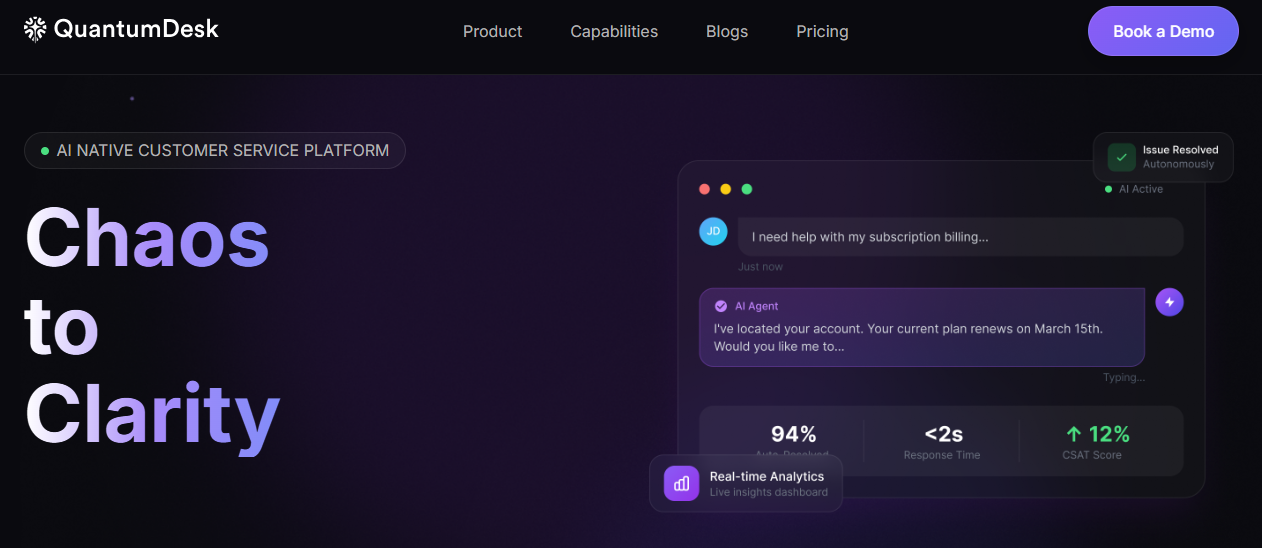
QuantumDesk is an AI-native customer service platform for D2C brands and B2B support teams, where customer satisfaction is not measured after the interaction ends; it is tracked and acted on while the conversation is still happening.
Unlike Zonka feedback, Typeform, and Nicereply, which send surveys after support tickets close, QuantumDesk embeds Quantum AI directly into the support workflow to analyze sentiment in real time, trigger context-aware CSAT surveys at exactly the right moment, and surface CSAT trends, escalation patterns, and AI resolution rates in the admin dashboard, delivering ai native customer service benefits without requiring any separate survey software.
I bought a moisturizer based on the brand's recommendation → my skin reacted badly → messaged chat support → got a FAQ link about returns → no one addressed my actual concern → posted about it publicly → the brand lost 3 potential customers from my network alone.
CSAT is not a survey to send. It is a signal to act on. QuantumDesk is built for teams that understand the difference.
Key Features
- Real-time sentiment analysis via Quantum AI that flags frustrated customers during live conversations and routes them to agents before dissatisfaction escalates into a public review or churn event
- Context-aware CSAT and NPS survey triggers that fire automatically after resolution with full conversation context, not generic post-ticket forms that miss the nuance of what actually happened
- Unified conversational workspace that centralizes email, live chat, WhatsApp, and social media feedback into one agent interface so no channel switch loses customer satisfaction signals or conversation history
- Admin analytics dashboard with built-in visibility into CSAT trends, AI versus human resolution rates, and escalation patterns, giving support leaders actionable insights without integrating separate analytics tools
- AI-curated inbox that prioritizes incoming conversations by urgency and sentiment so agents focus on the interactions most likely to affect satisfaction scores before they become negative reviews
Pros
- CSAT is embedded across the full support workflow from day one, not sold as a separately configured survey module requiring additional budget and integration work
- Real-time sentiment detection means support leaders catch at-risk customers during the conversation window rather than discovering dissatisfaction only after the survey is returned or the review is posted
- Omnichannel context preservation ensures CSAT signals from email, WhatsApp, and live chat are unified in one dashboard without manual data aggregation across disconnected tools
Cons
- Newer platform compared to established survey providers with longer market presence and more extensive pre-built template libraries for specific industries
- Less recognized among procurement teams currently evaluating standalone survey tools already embedded in their standard vendor shortlists
Best Use Case
D2C brands and B2B support teams that need CSAT tracking embedded in the support workflow with real-time sentiment analysis and auto-triggered surveys, not a standalone survey tool that operates outside the customer interaction.
When to Choose QuantumDesk
Choose QuantumDesk when measuring satisfaction after the fact is not enough and your team needs to identify dissatisfied customers during the conversation, act on it immediately, and track and improve csat ecommerce support trends without buying or configuring a separate satisfaction platform.
Pricing
Custom pricing based on business size and support volume. Contact the QuantumDesk team for current plans and a tailored demo aligned to your ticket volume and satisfaction measurement requirements.
Ready to Embed CSAT Across Your Support Workflow? Explore how Quantum AI tracks real-time sentiment, triggers context-aware surveys, and surfaces CSAT insights without a separate survey tool → Book a Demo
2. Zonka Feedback – Best for Omnichannel CSAT with AI Theme and Sentiment Analysis
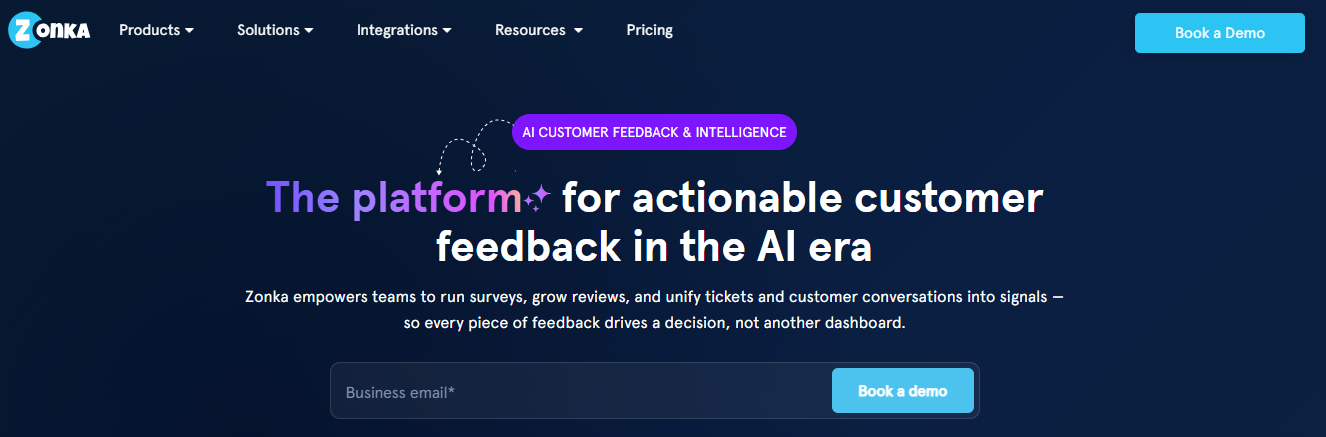
Zonka Feedback is a customer feedback platform used by support and CX teams that want to run CSAT across every touchpoint like email, SMS, WhatsApp, web, and in-app, and have every response analyzed automatically instead of read through by hand.
Key Features
- Helpdesk-triggered CSAT surveys that fire automatically after support tickets, purchases, or onboarding through integrations with Zendesk, Freshdesk, and Intercom
- AI theme and sentiment analysis on every open-text response, surfacing what's driving satisfaction up or down instead of just the score
- Entity-mapped CSAT trends broken down by agent, team, location, and product, so managers see which teams and issues need attention
Pros
- Connects CSAT collection and analysis in one platform, so teams don't need a separate tool to make sense of open-text responses at scale
- Omnichannel coverage plus helpdesk integrations make it practical for support teams already living in Zendesk, Freshdesk, or Intercom
Cons
- No published free plan, teams evaluating on a tight budget will need a sales conversation to get pricing clarity
- The AI Feedback Intelligence layer is built for teams unifying feedback across several channels, so a team running CSAT on just one channel may be paying for more platform than they need yet
Best Use Case
Support and CX teams running CSAT across multiple channels who want the survey and the analysis in the same platform, rather than piping responses into a separate analytics tool.
Pricing
Zonka Feedback has a free trial available. It doesn't publish fixed pricing, plans are based on response volume and data credits, with a custom quote available on request.
3. Typeform – Best for Design-Focused Interactive Feedback Forms
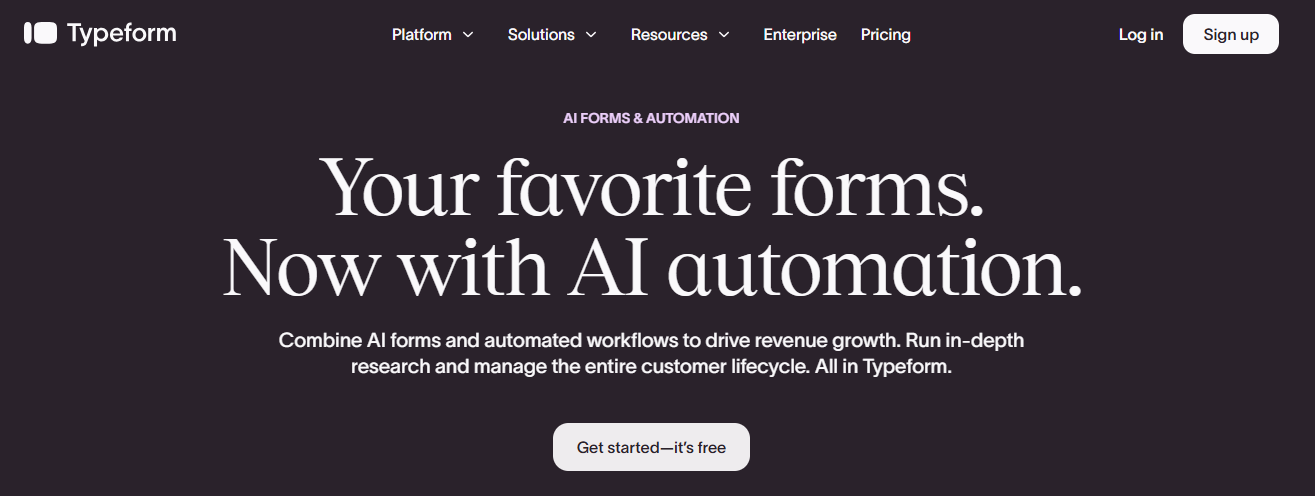
Typeform is a form and survey builder used by marketing and product teams that need visually engaging, interactive feedback forms with logic branching and a strong pre-built template library for everything from CSAT to post-purchase reviews.
Teams choose Typeform for its design quality and ease of build rather than for deep CSAT analytics, real-time sentiment detection, or support workflow integration. It is well-suited for teams that prioritize brand-consistent, polished survey experiences over analytics depth.
Key Features
- Interactive form builder with one-question-at-a-time design, conditional logic, and skip branching that creates engaging survey flows without developer involvement
- Pre-built template library covering CSAT, NPS, product feedback, exit surveys, and customer onboarding forms built on proven methodologies
- Integration ecosystem connecting Typeform to HubSpot, Slack, Salesforce, and Google Sheets so responses flow into existing workflows without manual data exports
Pros
- Best-in-class visual design produces survey experiences that feel brand-consistent and polished rather than generic, improving completion rates and brand perception simultaneously
- No-code builder means marketing, product, and support teams can build and launch surveys independently without development resources or IT involvement
Cons
- Analytics depth is limited compared to dedicated CSAT platforms with AI-powered text analysis, theme detection, and sentiment trend reporting across high response volumes
- Response volume caps on lower plans make it cost-prohibitive for teams collecting thousands of CSAT responses monthly without upgrading to enterprise pricing
- No real-time sentiment tracking or support workflow integration means teams discover customer dissatisfaction after surveys return rather than during the interaction
Best Use Case
Marketing and product teams that need visually polished, brand-consistent feedback forms for post-purchase CSAT, NPS, or product surveys without requiring deep analytics infrastructure.
When to Choose Typeform
Choose Typeform when the visual quality of your survey experience matters as much as the data it collects, your team builds surveys infrequently, and post-interaction feedback is sufficient for your CX measurement goals.
Pricing
Typeform plans start at $25 per month for the Basic plan, with Plus, Business, and Enterprise tiers adding increased response limits, custom branding, priority support, and advanced logic capabilities.
4. SurveySensum – Best for AI-Powered Customer Insights and Text Analytics
SurveySensum is a customer feedback platform used by mid-market and enterprise teams that need AI-powered text analytics and sentiment detection across NPS, CSAT, and CES surveys without the pricing of larger enterprise research platforms.
Teams choose SurveySensum for its affordable AI analytics depth and CX consulting support rather than for survey design sophistication or broad integration with consumer-facing support channels. It works well for teams that generate significant open-text feedback and need automated theme detection to make it actionable.
Key Features
- AI-powered text analysis that automatically categorizes open-text survey responses by theme, sentiment, and urgency without manual coding or analyst time
- NPS, CSAT, and CES tracking across multiple touchpoints with trend dashboards that surface shifts in satisfaction scores over time and by customer segment
- Automated survey distribution across email, SMS, and web with triggered send logic based on customer journey events or support interaction outcomes
Pros
- AI text analytics at accessible pricing makes advanced sentiment detection and theme identification available to teams that cannot justify enterprise platform costs
- CX consulting support helps teams translate raw feedback data into strategic action plans, adding value beyond the software itself for teams without dedicated insights analysts
Cons
- Survey design flexibility and template depth lag behind purpose-built builders like Typeform or SurveySparrow for teams that prioritize visual form quality
- Integration coverage is narrower than larger platforms, which can create friction for teams running complex multi-tool CX stacks requiring deep CRM and support system connections
- Less brand recognition in procurement evaluations compared to Qualtrics or Medallia for enterprise teams running formal vendor selection processes
Best Use Case
Mid-market teams generating high open-text survey feedback that need affordable AI-powered text analytics and sentiment detection without investing in enterprise research platform pricing.
When to Choose SurveySensum
Choose SurveySensum when open-text feedback analysis is your primary challenge, budget matters, and you need AI-powered sentiment scoring without committing to Qualtrics or Medallia pricing tiers.
Pricing
SurveySensum offers custom pricing based on survey volume and feature requirements. Contact the team for current plans tailored to your feedback collection scale and analytics needs.
5. Survicate – Best for In-Product and Website Feedback Collection
Survicate is a feedback collection platform used by SaaS and e-commerce teams that need code-free in-product, website, and email surveys with a broad integration library and a built-in template collection for fast deployment across the customer journey.
Teams choose Survicate for its targeted in-product survey capabilities and integration breadth rather than for real-time sentiment analysis or AI-powered text analytics at scale. It excels at collecting feedback from users at precisely defined moments in the product experience without developer dependencies.
Key Features
- Code-free in-product surveys that can be deployed on any page or triggered at specific user behavior moments without engineering involvement
- 40-plus integrations connecting Survicate to HubSpot, Intercom, Salesforce, and Segment so feedback flows directly into CRM and support workflows in real time
- Pre-built survey templates covering NPS, CSAT, CES, product-market fit, and onboarding feedback built on established CX research frameworks
Pros
- Code-free deployment means product and CX teams can launch in-product CSAT and NPS surveys without waiting for engineering sprint capacity
- Integration depth with HubSpot and Intercom makes it practical for SaaS teams that want feedback to appear alongside customer records in existing tools
Cons
- Entry pricing of $99 per month makes it cost-restrictive for very early-stage startups compared to lower-priced alternatives with comparable in-product survey capabilities
- AI analytics depth is limited compared to platforms like SurveySensum or Qualtrics for teams requiring automated theme detection across high open-text response volumes
- Response volume limits on mid-tier plans can create upgrade pressure for high-traffic SaaS products collecting thousands of in-product responses monthly
Best Use Case
SaaS and ecommerce teams that need targeted in-product and website CSAT surveys at specific journey moments with strong integration coverage and fast deployment without engineering dependencies.
When to Choose Survicate
Choose Survicate when in-product feedback timing precision matters, your team needs surveys embedded at specific product moments, and integration with HubSpot or Intercom is a core workflow requirement.
Pricing
Survicate plans start at $99 per month for the Good plan, with Better and Best tiers adding increased response limits, advanced targeting, and additional integration capabilities as survey volume and team size grow.
6. Qualtrics – Best for Enterprise-Grade Experience Management
Qualtrics is an enterprise experience management platform used by large organizations that need advanced statistical analysis, predictive churn alerts, and complex cross-tabulation across multi-channel feedback programs at scale.
Teams choose Qualtrics for its research-grade analytics depth and enterprise infrastructure rather than for cost efficiency, fast deployment, or AI-native support workflow integration. It is the benchmark platform for large CX research teams running sophisticated VoC programs across multiple business units.
Key Features
- Advanced statistical analysis with cross-tabulation, driver analysis, and predictive churn modeling that goes significantly beyond what standard survey tools offer for enterprise research teams
- Multi-channel feedback collection across email, SMS, web, mobile app, and third-party review platforms with centralized data aggregation and unified dashboards
- Role-based dashboards and action planning that deliver segmented insights to different organizational stakeholders without exposing all respondents' data across all teams
Pros
- Research-grade analytics depth makes it the strongest option for enterprise teams running formal VoC programs requiring statistical rigor and boardroom-ready reporting
- Predictive churn alerts help large CX teams identify at-risk customer segments before satisfaction declines become visible in revenue or renewal metrics
Cons
- Pricing starts around $120 per month and scales significantly for enterprise configurations, making it inaccessible for most SMB teams managing lean CX budgets
- Implementation complexity requires significant admin and analyst time, often needing dedicated onboarding support and ongoing platform management resources
- AI capabilities focus on predictive analytics for large datasets rather than real-time sentiment analysis during individual support conversations
Best Use Case
Large enterprises and research-led CX organizations that need advanced statistical analysis, predictive modeling, and multi-channel feedback aggregation across complex, multi-stakeholder experience programs.
When to Choose Qualtrics
Choose Qualtrics when enterprise-grade research depth, boardroom-level reporting, and predictive churn intelligence matter more than deployment speed, cost efficiency, or real-time support workflow integration.
Pricing
Qualtrics pricing starts around $120 per month for entry configurations, with enterprise plans scaling based on response volume, features, and the number of experience programs deployed across the organization.
7. AskNicely – Best for Real-Time NPS Measurement and Frontline Feedback
AskNicely is a customer feedback platform built for service-oriented businesses that need real-time NPS and CSAT measurement combined with frontline coaching tools that deliver personalized scorecards directly to individual team members rather than only centralized dashboards.
Teams choose AskNicely for its frontline empowerment model and reputation management capabilities rather than for enterprise analytics depth or in-product survey targeting. It works well for field service, hospitality, and customer success teams where individual agent performance drives overall satisfaction outcomes.
Key Features
- Real-time NPS and CSAT collection triggered immediately after service interactions via email and SMS with automated follow-up workflows for detractor responses
- Frontline coaching scorecards that deliver personalized performance insights to individual agents and locations without requiring managers to extract and distribute data manually
- Reputation management tools that automatically prompt promoters to leave public reviews on Google and Trustpilot while monitoring brand sentiment across review platforms
Pros
- Frontline coaching model delivers CSAT insights directly to agents rather than keeping them centralized in leadership dashboards, enabling faster and more targeted performance improvement
- Reputation management integration connects internal satisfaction scores to public review generation, helping teams convert high CSAT into visible brand credibility
Cons
- Custom pricing and limited public plan transparency make budget planning difficult for teams comparing platforms without a full sales cycle
- Analytics depth for text analysis and cross-segment trend reporting lags behind enterprise platforms for organizations running complex multi-touchpoint VoC programs
- Best fit for field service and hospitality contexts, making it less relevant for digital-first D2C and SaaS support teams whose feedback workflows are primarily asynchronous
Best Use Case
Service-oriented businesses and customer success teams that need real-time NPS measurement, frontline agent coaching, and reputation management combined in one platform.
When to Choose AskNicely
Choose AskNicely when individual frontline agent performance drives your overall CSAT outcomes, real-time NPS collection matters more than analytics depth, and turning promoters into public reviewers is a business priority.
Pricing
AskNicely pricing is available on request. Contact the team for current plans tailored to your team size, survey volume, and frontline coaching requirements.
8. Nicereply – Best for Support and Helpdesk Satisfaction Tracking
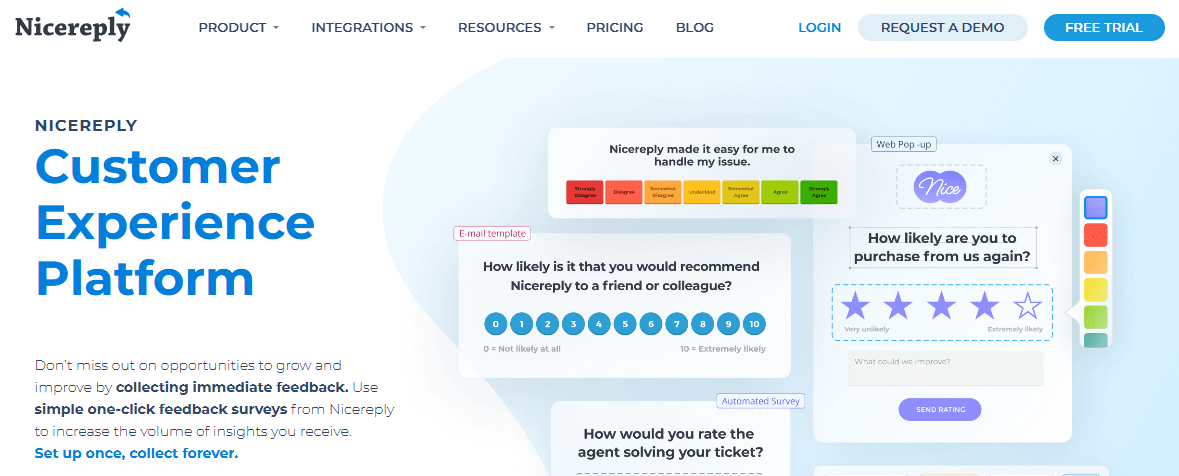
Nicereply is a customer satisfaction platform built specifically for support teams that need CSAT, NPS, and CES tracking embedded into helpdesk and ticketing workflows without deploying a separate enterprise survey platform.
Teams choose Nicereply for its purpose-built helpdesk integration and ticket-level satisfaction tracking rather than for broad multi-channel survey collection or AI-powered sentiment analysis. It connects directly to Zendesk, Freshdesk, and Intercom to trigger surveys automatically after ticket resolution.
Key Features
- Ticket follow-up CSAT, NPS, and CES surveys that trigger automatically after ticket resolution within Zendesk, Freshdesk, Intercom, and other helpdesk platforms
- In-signature surveys embedded directly in agent email replies so customers can rate the interaction without opening a separate survey link
- Agent and team performance reporting that tracks individual satisfaction scores over time and surfaces trends for support managers without manual data aggregation
Pros
- Purpose-built helpdesk integration means support teams can deploy CSAT tracking inside existing ticketing workflows without configuring a separate standalone survey platform
- In-signature survey design captures satisfaction feedback at the highest-friction point for completion, directly inside the email thread the customer is already reading
Cons
- Limited to post-interaction survey collection with no real-time sentiment analysis during conversations, meaning at-risk customers are identified only after the interaction ends
- Not suited for teams needing in-product surveys, omnichannel feedback aggregation, or AI-powered text analysis across large open-text response volumes
- Analytics breadth is narrower than enterprise platforms for support leaders needing cross-segment trend analysis or predictive churn modeling alongside CSAT data
Best Use Case
Support teams using Zendesk, Freshdesk, or Intercom that want CSAT, NPS, and CES tracking embedded directly into their existing ticketing workflow without a separate survey platform.
When to Choose Nicereply
Choose Nicereply when your support team already runs on a major helpdesk platform and needs simple, embedded CSAT tracking that triggers automatically after ticket resolution without additional configuration complexity.
Pricing
Nicereply plans start at $39 per month for the Mini plan, with Starter, Business, and Enterprise tiers adding higher survey volumes, additional agent seats, and advanced reporting capabilities as team size grows.
9. Zoho Forms – Best for Zoho Ecosystem Users Wanting Budget-Friendly Feedback Collection
Zoho Forms is a form and survey builder used by budget-conscious businesses already within the Zoho ecosystem that need basic CSAT and feedback collection at accessible pricing without enterprise survey software overhead.
Teams choose Zoho Forms for its low entry cost and native Zoho CRM integration rather than for CSAT-specific analytics depth, AI-powered sentiment detection, or advanced survey design capabilities. It works well as a starting point for teams already standardized on Zoho across their operations.
Key Features
- Drag-and-drop form builder with CSAT, NPS, and rating question types that cover basic satisfaction measurement without requiring developer involvement
- Native Zoho CRM integration that routes form responses directly to customer records, deal stages, and support tickets within the Zoho ecosystem without custom integrations
- Automated email notifications that alert team members when specific responses are submitted, enabling basic follow-up workflows for negative feedback collection
Pros
- Entry pricing of $8 per month makes Zoho Forms one of the most accessible feedback collection options for teams with tight budgets and basic measurement requirements
- Native Zoho ecosystem integration delivers immediate value for teams already standardized on Zoho CRM and Zoho Desk without additional integration setup
Cons
- CSAT-specific features and analytics depth lag behind purpose-built customer satisfaction platforms for teams requiring trend analysis, text analytics, or benchmarking capabilities
- Limited to basic form functionality with no conversational survey design, real-time sentiment tracking, or AI-powered insight generation at any pricing tier
- Teams outside the Zoho ecosystem lose the primary integration advantage, making Zoho Forms less compelling than standalone alternatives at similar price points
Best Use Case
Small businesses and early-stage teams within the Zoho ecosystem that need basic CSAT and feedback collection at minimal cost before investing in a dedicated customer satisfaction platform.
When to Choose Zoho Forms
Choose Zoho Forms when your team is fully standardized on Zoho, budget is the primary constraint, and basic satisfaction measurement is sufficient before growing into a dedicated CSAT platform.
Pricing
Zoho Forms plans start at $8 per month for the Basic plan, with Standard, Professional, and Premium tiers adding higher form limits, advanced fields, and expanded submission capacity as usage grows.
10. Medallia – Best for Enterprise Voice of Customer Programs
Medallia is an enterprise experience management platform used by large organizations that need a comprehensive voice-of-customer infrastructure across multiple feedback touchpoints, combining survey data, social listening, contact center analytics, and operational data in one unified system.
Teams choose Medallia for its multi-touchpoint VoC breadth and predictive analytics capabilities rather than for deployment simplicity, accessible pricing, or real-time support workflow integration at SMB scale.
Key Features
- Multi-touchpoint VoC aggregation that combines survey feedback, social reviews, contact center recordings, and operational data into one unified customer experience dashboard
- Predictive analytics and AI-powered theme detection that identifies emerging satisfaction trends and at-risk customer segments before they surface in revenue or retention metrics
- Role-based insight delivery that segments experience data by business unit, region, and team function so each stakeholder receives relevant insights without exposure to unrelated feedback
Pros
- Comprehensive VoC scope covers more feedback touchpoints than any other platform on this list, making it the strongest option for enterprises tracking satisfaction across highly complex customer journeys
- Predictive analytics help large CX teams surface churn signals and satisfaction trends before they become visible in lagging financial metrics
Cons
- Custom enterprise pricing and implementation timelines make Medallia inaccessible for SMB teams and unsuitable for organizations needing fast deployment without extended procurement cycles
- Platform complexity requires dedicated CX analysts and ongoing admin resources that lean teams and growing SMBs typically cannot sustain
- Not suited for teams needing real-time sentiment analysis during individual support conversations or AI-native workflow integration across daily ticket operations
Best Use Case
Large enterprises running formal voice-of-customer programs that need multi-touchpoint feedback aggregation, predictive analytics, and role-based insight delivery across complex, distributed organizational structures.
When to Choose Medallia
Choose Medallia when your enterprise needs the most comprehensive VoC infrastructure available, implementation timelines and investment levels are justified by scale, and multi-touchpoint feedback aggregation is a strategic requirement.
Pricing
Medallia pricing is available on request and tailored to enterprise requirements. Contact the team for current plans based on organization size, feedback volume, and program scope.
How to Choose the Best Customer Satisfaction Software
Choosing the right CSAT platform depends on far more than survey question formats. A two-person support team tracking post-ticket satisfaction needs something entirely different from an enterprise CX organization running multi-touchpoint VoC programs across 50 markets. Use these five factors to focus your evaluation.
1. Real-Time vs. Post-Interaction Measurement
Decide whether your team needs to catch dissatisfaction during the conversation or measure it afterward. Platforms with real-time sentiment analysis act while the relationship is still salvageable. Post-interaction surveys confirm what already happened and cannot change.
2. AI Analytics and Text Analysis Depth
Open-text survey responses contain the most actionable insight and the most effort to analyze. Evaluate whether the platform uses customer service automation to automatically categorize themes and detect sentiment at scale, or whether your team needs to read through responses manually to surface patterns.
3. Integration with Support and CRM Workflows
Satisfaction data that stays inside a survey platform is only half the picture. Confirm that the tool connects with your helpdesk, CRM, and communication platforms so customer satisfaction metrics flow into the workflows where your team makes decisions, rather than sitting in a separate dashboard no one checks consistently.
4. Multi-Channel Feedback Collection
Customers do not interact with brands on a single channel. Evaluate whether the platform collects feedback from email, WhatsApp, in-app, SMS, and web in one unified view. Single-channel CSAT programs systematically miss the customers most likely to be dissatisfied, who often disengage before completing email-based surveys.
5. Reporting Visibility and Actionability
CSAT dashboards that surface trends are valuable. Dashboards that route negative responses automatically and trigger agent workflows are transformative. Evaluate whether the platform enables your team to act on customer service metrics in real time or whether insights require manual interpretation before anyone takes action.
How QuantumDesk Simplifies Customer Satisfaction Measurement
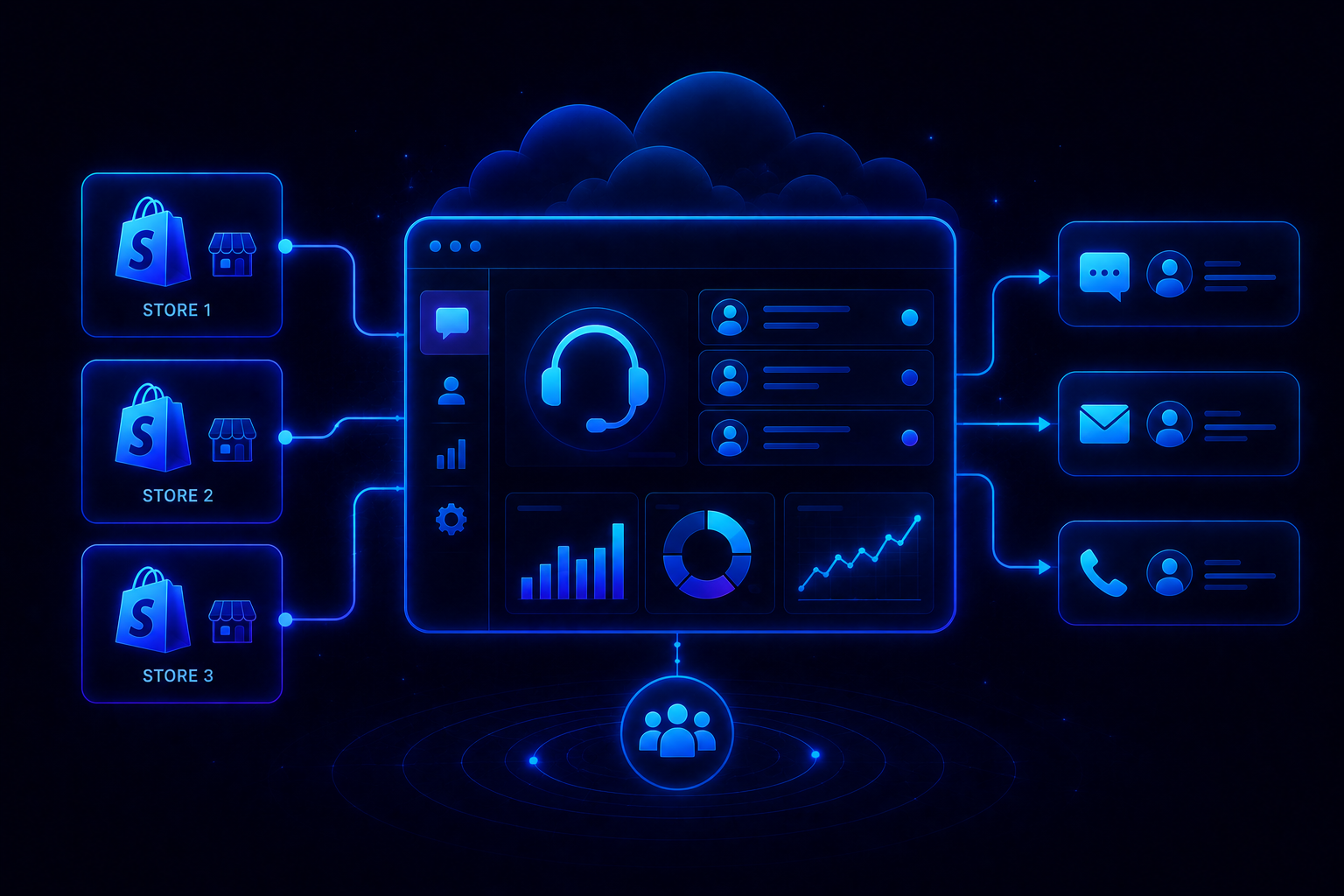
QuantumDesk is built for support teams that need to track, act on, and improve customer satisfaction without deploying a separate survey platform alongside their existing support infrastructure.
Its AI-native design means satisfaction is not measured at the end of a conversation. It is tracked throughout, so teams identify dissatisfied customers during the interaction window when they can still do something about it, rather than discovering the problem in a survey response three days later.
- Quantum AI analyzes sentiment in real time during every conversation, flagging dissatisfied customers instantly before frustration escalates into a public review or a churned account
- Context-aware CSAT surveys trigger automatically after resolution with full conversation context, eliminating the generic post-ticket forms that miss nuance and produce low completion rates
- Unified Workspace centralizes satisfaction signals from email, WhatsApp, live chat, and social into one dashboard so no channel produces blind spots in your CSAT visibility
- Admin Analytics surfaces CSAT trends, AI versus human resolution rates, and escalation patterns in real time, giving support leaders the insights to improve satisfaction scores without a separate analytics tool
- AI-Curated Inbox prioritizes conversations by urgency and sentiment so agents focus first on the interactions most likely to produce a negative CSAT outcome if left unaddressed
Whether your focus is how to scale customer support without expanding headcount or improving satisfaction scores on high-volume periods, QuantumDesk gives your team the foundation to act on satisfaction signals before they become satisfaction problems.
Frequently Asked Questions About Customer Satisfaction Software
What are the best customer satisfaction (CSAT) software platforms in 2026?
Leading options include QuantumDesk, Zonka Feedback, Typeform, SurveySensum, Survicate, Qualtrics, AskNicely, Nicereply, Zoho Forms, and Medallia.
The right choice depends on team size, whether you need real-time or post-interaction measurement, analytics depth requirements, and whether CSAT should be embedded in your support workflow or managed as a separate survey program. Teams also exploring AI Customer Service Tools will find that platforms with embedded sentiment analysis deliver meaningfully different outcomes than standalone survey tools.
Which CSAT software is best for small D2C and ecommerce brands?
Zonka Feedback, Nicereply, and Typeform are strong options for small D2C teams needing accessible survey tools with fast deployment and solid response rates across email and web channels.
QuantumDesk is also well-suited for D2C brands where satisfaction is tied directly to support interaction quality and teams need real-time sentiment analysis rather than post-purchase surveys to catch dissatisfied customers before they post publicly. Teams focused specifically on Modern Customer Service Expectations will find that real-time detection closes the gap that post-interaction surveys cannot.
How do I choose the right CSAT software for my team?
Start by identifying your primary measurement goal: tracking support interaction satisfaction, collecting in-product feedback, running enterprise VoC programs, or embedding sentiment analysis directly in the support workflow.
Then compare real-time versus post-interaction capabilities, integration requirements with your helpdesk and CRM, analytics depth, survey design flexibility, and total platform cost before narrowing to two or three platforms for a hands-on evaluation against your actual feedback volume and team workflows.
Is there a free CSAT software available?
Typeform, Zoho Forms, and Zonka Feedback each offer free plans or trial periods with basic survey functionality suited to small teams testing CSAT collection before committing to a paid platform.
Free plans work well for initial feedback collection, but most teams measuring satisfaction at meaningful volume will need a paid plan to access the analytics depth, automation triggers, and AI in customer service capabilities that transform raw CSAT scores into actionable improvement programs.





.avif)