Summarize with AI
Key Takeaways
- Omnichannel support connects every customer conversation into one continuous experience.
- Unified inboxes reduce repeated conversations and improve resolution speed.
- AI routing helps GCC brands manage multilingual support at scale.
- Omnichannel workflows improve CSAT, retention, and operational visibility.
- Centralized customer data helps agents personalize every interaction.
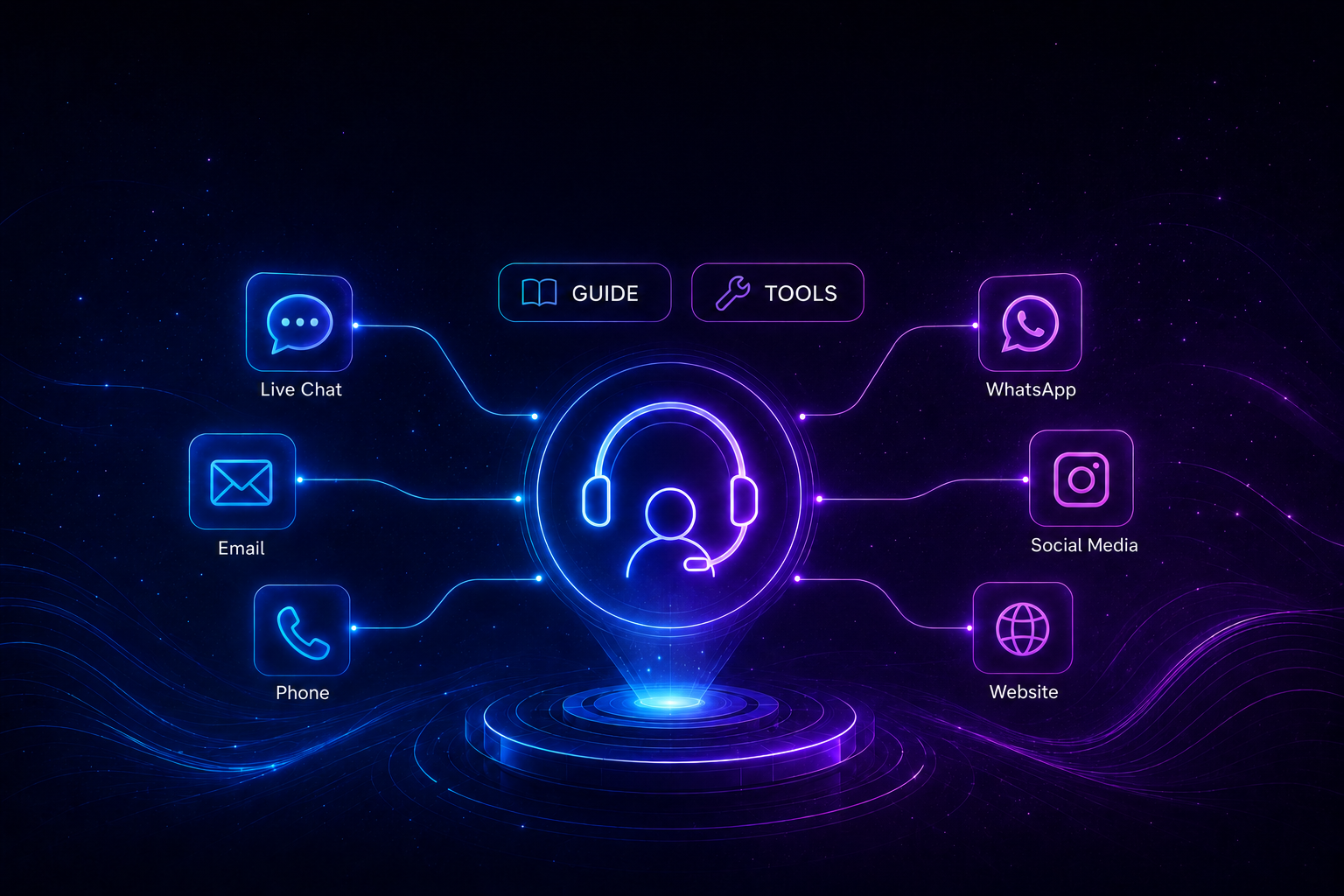
GCC customers expect fast, connected support experiences across WhatsApp, Instagram, live chat, email, and phone conversations.
As ecommerce, food delivery, fintech, and B2B SaaS brands expand across the GCC, disconnected support systems create delays, repeated conversations, and rising customer frustration. Studies show customers increasingly switch channels during one support journey, expecting businesses to retain complete conversation context automatically.
I messaged a retailer through Instagram DM about a delayed order → followed up on WhatsApp two hours later → called support to escalate → explained the same issue from scratch every single time.
Common problems that appear when support systems remain disconnected:
- Agents switch between multiple dashboards during busy hours
- Customers repeat order details across channels
- WhatsApp conversations get disconnected from email tickets
- GCC brands struggle with multilingual support consistency
You will learn how to improve omnichannel customer support workflows, unify conversations, reduce response delays, and scale customer service operations across GCC markets.
A Quick Comparison: Omnichannel Vs Multichannel Customer Support
Why Do GCC Brands Struggle With Disconnected Customer Support Systems?
GCC brands often start managing support on individual platforms before volume forces the problem into the open. As conversation volume grows across WhatsApp, Instagram, email, and phone simultaneously, the gaps in a disconnected setup become impossible to ignore.
Understanding how multi-channel customer service creates compounding inefficiencies is usually where the fix begins.
1. Customers switch channels faster than support teams can track
GCC customers regularly move between WhatsApp, Instagram, live chat, and phone support within the same issue resolution journey. When systems remain disconnected, agents lose visibility into previous conversations.
Customers are then forced to repeat information they already provided.
- Repeated verification requests at every channel switch
- Duplicate tickets created across platforms for the same issue
- Lost conversation history when interactions move between channels
- Delayed refund or delivery resolutions caused by missing context
This creates longer handling times, slower resolutions, and visible frustration during high-volume periods like Ramadan campaigns, regional sales events, and delivery surges.
2. Multilingual GCC support operations increase complexity
Many GCC brands simultaneously support Arabic and English customers across multiple communication channels. Without centralized customer histories and routing systems, language transitions often create inconsistent responses and duplicated work.
A customer may contact support in Arabic through WhatsApp but later continue in English through email.
Without unified context, service quality drops immediately during the transfer.
- Different tone and accuracy across channels
- Translation inconsistencies affecting resolution quality
- Slower escalations during busy hours when language routing is manual
3. Agents waste time switching between tools
Support teams handling email, WhatsApp, social DMs, and live chat separately spend significant time switching tabs instead of resolving customer issues. This operational friction increases average handling time.
It also reduces the number of tickets agents can resolve during a shift.
- Separate dashboards for each platform with no shared view
- Missed customer follow-ups when conversations sit across disconnected tools
- Duplicate escalations between departments
- No centralized reporting visibility across channels
- Reduced first-contact resolution rates as context is rebuilt from scratch
Disconnected tools also prevent managers from accurately tracking workload, queue bottlenecks, and customer satisfaction trends across all channels.
4. Poor omnichannel experiences directly affect customer retention
Customers rarely care which support channel they use. They only expect businesses to remember their issue, previous conversations, and purchase details.
When a brand forces customers to restart the same conversation on every new channel, it is effectively telling them their time does not matter.
- Lower CSAT scores during and after high-volume periods
- Higher churn among customers who experienced repeated conversations
- Reduced repeat purchases from customers who contacted support during a sale
When support becomes fragmented, GCC customers often abandon purchases, cancel subscriptions, or move toward competitors offering faster and more connected experiences.
How Does Omnichannel Customer Support Improve GCC Customer Experience?
Fixing disconnected support starts with centralizing where conversations land, not simply adding more channels. Customer service automation works most effectively when all incoming channels feed into a single system rather than separate platforms operating independently.
1. Unified inboxes keep every conversation connected
An omnichannel customer support platform combines WhatsApp, email, social media, phone, and live chat into one centralized workspace. Agents immediately access complete customer histories without manually searching across disconnected tools. This allows customers to switch channels naturally while continuing the same conversation thread.
No lost context, no order history gaps, no repeated explanations.
- One conversation timeline regardless of which channel the customer used
- Faster agent responses because full context is already present
- Reduced customer repetition across every support interaction
- Better escalation handling when cases move between agents or teams
2. AI routing improves resolution speed during high volumes
AI-powered routing systems automatically analyze intent, urgency, language preference, and conversation history before assigning tickets to the right support team. This significantly reduces manual triaging delays during peak periods.
For GCC brands managing multilingual operations, AI routing ensures Arabic and English conversations reach the correct agents immediately.
Both response consistency and customer satisfaction improve as a result.
- Faster queue distribution without manual sorting
- Reduced backlog pressure during campaigns and seasonal surges
- Better SLA management across regional support teams
Understanding how AI in customer service works at the routing layer shows where the biggest operational gains appear first.
3. Shared customer context helps agents personalize support
Omnichannel support platforms integrate directly with CRM and ecommerce systems. This brings customer purchases, delivery history, subscriptions, and previous complaints into the same dashboard agents already use.
It eliminates repetitive verification processes that slow down every interaction.
- Personalized replies based on full purchase and support history
- Faster refund handling without switching to a separate CRM
- Improved customer trust through consistent, informed conversations
- Better retention across GCC markets where personalization expectations are high
4. Centralized analytics help teams improve operations faster
Omnichannel customer support systems centralize operational reporting across all channels. Managers identify response bottlenecks, recurring complaints, and agent performance gaps more accurately. Instead of reviewing separate dashboards, GCC brands gain a complete operational view.
This supports faster staffing decisions and better support forecasting during seasonal demand spikes.
Tracking the right customer satisfaction metrics becomes straightforward when all channels feed into one reporting layer.
- Unified CSAT tracking across WhatsApp, email, and chat simultaneously
- Better staffing visibility during high-demand periods
- Faster operational decisions without manually reconciling separate reports
How to Implement an Omnichannel Customer Support System
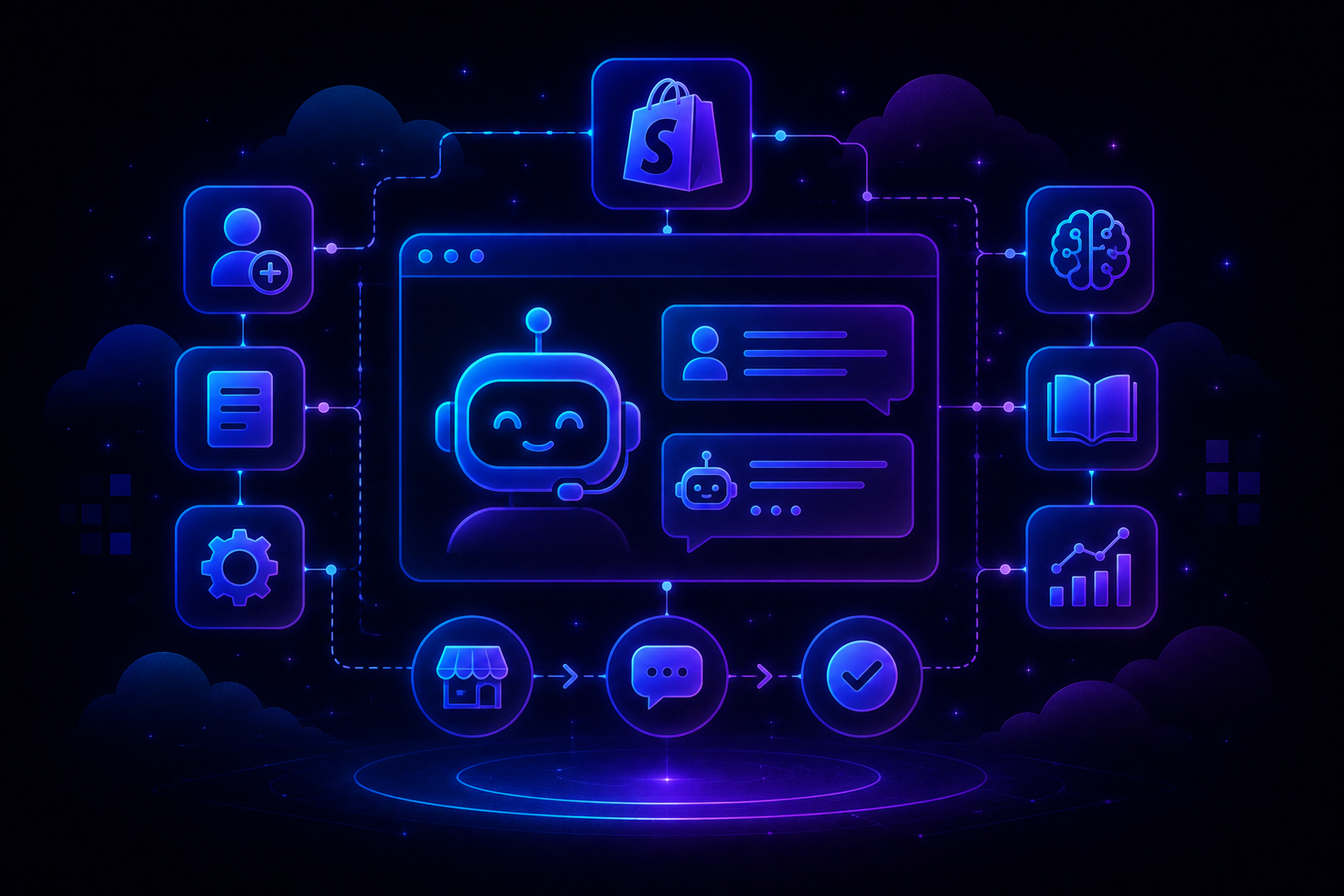
Building omnichannel support is less about replacing tools and more about connecting them under one operational layer. AI-native customer service platforms make this connection faster and more durable than manually integrating standalone tools that were never designed to work together.
Follow these four steps to move from fragmented channels to a fully connected support operation:
Step 1: Map every active customer channel
Most GCC ecommerce and SaaS brands already manage conversations across WhatsApp, Instagram, email, phone support, and live chat.
The first step is identifying where customer conversations currently begin, escalate, and frequently break down. This audit helps businesses identify disconnected workflows, delayed escalations, and communication gaps affecting resolution speed.
Active channels most GCC brands need to consolidate:
- WhatsApp (primary support channel across the Gulf)
- Instagram and social media DMs
- Email support inboxes
- Voice and phone support
- Live chat on web and mobile
- Website contact and inquiry forms
Step 2: Implement a unified customer support inbox
A unified inbox becomes the operational foundation of omnichannel customer support. Instead of managing separate platforms individually, all conversations appear inside one centralized dashboard.
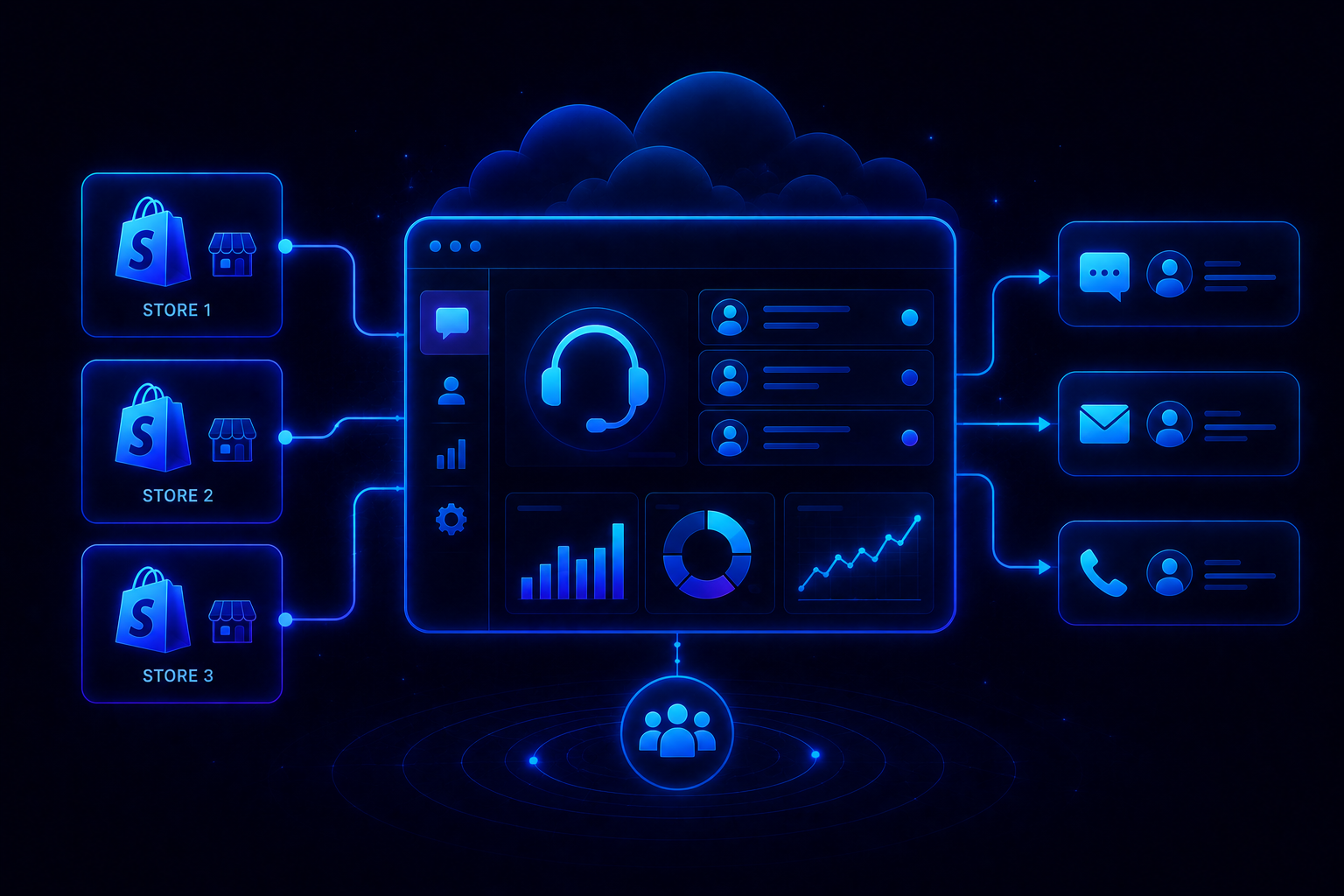
Agents collaborate, assign tickets, and maintain conversation continuity without switching tools. This structure is especially valuable for GCC brands operating across multiple countries. It improves coordination between regional teams handling different languages, support queues, and business units simultaneously.
- Shared conversation visibility across all agents and departments
- Internal collaboration notes without the customer seeing the discussion
- Cross-channel continuity when a customer switches from WhatsApp to email
- Reduced missed conversations during high-volume periods
- Faster agent onboarding with one system instead of five
Step 3: Add AI automation without removing human support
AI chatbots and automation workflows reduce repetitive ticket volume before complex conversations reach human agents. Order tracking, delivery updates, return requests, and basic FAQs are handled automatically.
The goal is not replacing support teams. AI should reduce queue pressure so agents spend more time on sensitive, urgent, or high-value conversations requiring judgment and empathy.
Agentic AI for customer service goes further by taking direct action on customer requests rather than just answering questions. Exchanges, refund initiations, and tracking updates happen without any agent involvement.
- Automated routing to the right team or language queue
- Instant FAQ responses across Arabic and English
- Delivery status updates without manual lookup
- Smart escalations when sentiment signals urgency
- AI-assisted agent responses for faster resolutions
Step 4: Train teams around omnichannel workflows instead of individual platforms
Many support teams still operate channel-by-channel instead of conversation-by-conversation. Omnichannel success depends on training agents to manage complete customer journeys from one centralized workspace. This improves collaboration between departments and reduces duplicated work.
GCC brands that make this shift maintain consistent customer experiences during high-growth operational periods.
- Unified workflows so agents never restart conversations already in progress
- Shared SLAs across channels instead of platform-specific targets
- Consistent response standards regardless of which channel the customer used
How QuantumDesk Scales GCC Omnichannel Support
QuantumDesk is an AI-native customer service platform built for GCC brands managing high conversation volume across WhatsApp, email, social media, live chat, and voice channels.
Instead of forcing agents to switch between disconnected tools, QuantumDesk preserves complete customer context across every channel in one centralized workspace. Support teams resolve conversations faster while maintaining consistent experiences across Arabic and English communication flows.
For ecommerce, SaaS, and delivery brands across the GCC, the best customer service software for ecommerce brands consistently pulls ahead of disconnected tool stacks during periods of real operational pressure.
What Are QuantumDesk's Key Capabilities?
- Quantum AI handles repetitive queries automatically across Arabic and English before they reach the support queue, resolving order tracking, return policy, and delivery update requests without agent involvement.
- Quantum AI Copilot surfaces conversation history, order details, and suggested responses in real time so agents resolve complex interactions faster without asking customers to repeat themselves.
- AI-curated inbox evaluates urgency, intent, and sentiment so high-priority complaints surface automatically during Ramadan campaigns, flash sales, and seasonal surges without manual triaging.
- Unified workspace centralizes every channel into one operational view, preserving complete customer context across WhatsApp, email, social, and live chat without switching between tools.
Ready to see how it works? Book a demo to explore QuantumDesk for your team.
Frequently Asked Questions
What is omnichannel customer support?
Omnichannel customer support connects every customer conversation into one continuous experience across WhatsApp, email, chat, social media, and phone. Unlike multichannel setups, it preserves full conversation context automatically as customers move between channels, so agents always have the complete picture.
How is omnichannel support different from multichannel support?
Multichannel support uses separate platforms independently, creating context gaps when customers switch channels. Omnichannel support connects conversations, customer history, and context across every communication channel automatically, so agents never ask customers to start over.
Why is omnichannel customer support important for GCC brands?
GCC customers frequently switch channels during support journeys. Omnichannel systems prevent repeated conversations, reduce handling time, and improve multilingual experience consistency across regional markets where WhatsApp and Instagram are the primary support channels.
What channels should GCC brands include in omnichannel support?
Most GCC brands prioritize WhatsApp, Instagram, email, live chat, phone support, website forms, and social media messaging within unified customer support operations. WhatsApp typically drives the highest conversation volume across Gulf markets.
How does AI improve omnichannel customer support?
AI automates routing, handles repetitive queries, prioritizes urgent tickets, and helps agents access customer context faster during high-volume periods. For GCC brands, AI also enables bilingual automation across Arabic and English without requiring additional agent capacity.



.avif)