
Summarize with AI
Key Takeaways
- Fashion shoppers abandon carts when sizing guidance feels unclear, increasing hesitation, return anxiety, and uncertainty before completing checkout purchases.
- Guest checkout, digital wallets, and mobile-friendly checkout flows reduce friction and improve fashion ecommerce conversion rates significantly.
- AI sizing tools, fit-focused reviews, and model measurements help shoppers feel confident before purchasing apparel products online.
- Transparent shipping costs, return policies, and flexible payment options reduce checkout hesitation and improve fashion purchase completion rates.
- Multi-step recovery flows using emails, reminders, and exit-intent prompts help fashion brands recover abandoned carts and improve conversions.
Fashion shoppers rarely abandon carts because they dislike products. Most leave because they are unsure whether the item will actually fit.
Fashion ecommerce cart abandonment rates often exceed 70%, especially on mobile devices. For D2C apparel brands, that number represents a significant portion of potential revenue that never converts.
Sizing uncertainty, checkout friction, and poor product confidence directly reduce conversions. They also increase acquisition waste by pushing shoppers toward competing fashion stores after they have already engaged with a product.
When shoppers cannot confidently answer "Will this fit me?", hesitation grows quickly. Purchase intent disappears before checkout completion, often within seconds of opening a sizing chart.
Scenarios that push shoppers away before purchase:
- I added a jacket to my cart, the sizing chart looked confusing, and I opened another brand's website for comparison.
- I had ordered jeans from another store before, the return took two weeks, and I avoided purchasing again this time.
- I liked the product photos but couldn't understand the fit around the shoulders and waist from the images provided.
- Shipping costs appeared only during checkout. I abandoned the purchase instead of completing payment.
You will learn how to improve shopper confidence, reduce sizing hesitation, optimize checkout experiences, and recover abandoned fashion ecommerce carts effectively.
A Quick Comparison: High-abandonment Vs Conversion-Focused Experience
Why sizing uncertainty causes cart abandonment in fashion eCommerce
Fashion purchases involve more hesitation than most ecommerce categories because shoppers cannot physically try products before buying. When fit confidence is missing, shoppers delay decisions, compare alternatives, or abandon carts entirely without converting.
1. Shoppers fear choosing the wrong size
Inconsistent sizing between brands creates hesitation during online apparel purchases. Generic size charts don't answer whether a product runs tight, oversized, relaxed, or true-to-fit. They show measurements, not fit behavior.
Sizing fear peaks during high-stakes purchases:
- Occasion wear mistakes feel financially and emotionally costly for weddings, events, or time-sensitive gifting
- Seasonal collections and flash sale items carry added urgency that makes a wrong size more stressful
- When sizing information is ambiguous, shoppers open competing brand pages to compare rather than committing
Every moment of sizing doubt is a window a competitor can close the sale through. Brands that don't address this on the product page lose customers at the exact moment those customers are most likely to buy.
2. Return friction makes customers more hesitant before checkout
Customers calculate return effort before completing a purchase. Repackaging, courier drop-offs, delayed reimbursements, and complicated exchange workflows all factor into the decision to commit.
Previous return experiences create lasting hesitation:
- Shoppers who experienced a difficult return elsewhere carry that expectation into new brand evaluations
- Negative return encounters from other ecommerce stores reduce purchase trust even when the current brand's policy is straightforward
- Customers who expect the return process to be difficult will hesitate before checkout, not after
Return anxiety is a pre-purchase problem. Brands that don't address it directly on the product page lose customers before any checkout friction even applies.
3. Product pages often fail to build purchase confidence
Vague descriptions, limited model references, missing fit reviews, and low-quality visuals increase uncertainty during product evaluation.
When product pages fall short, shoppers go looking elsewhere:
- Insufficient fit information pushes shoppers to open competing brand pages for side-by-side comparison
- Low-resolution images or single-angle photography leave fit details ambiguous for undecided buyers
- Missing details about fabric behavior, stretch, or garment weight increase doubt about real-world appearance
How excessive customer conversations reduce the support quality often starts here. Shoppers who cannot find fit answers on product pages contact support instead, creating avoidable pre-purchase ticket volume that slows response times for everyone.
4. Mobile shopping increases decision friction further
Mobile shoppers face more friction than desktop users. Unclear sizing tables, difficult navigation, and slow checkout flows make commitment harder on a small screen.
The mobile experience compounds abandonment risk:
- Sizing charts displayed as unscaled images become unreadable on mobile screens
- Tab-switching between brand websites is faster on mobile, making comparison abandonment easier
- Multi-field checkout forms with small tap targets create frustration that pushes users toward exit
Even shoppers with genuine purchase intent leave when sizing confidence drops and the checkout path creates additional obstacles. The combination rarely ends in a completed order.
How to Reduce Cart Abandonment in Apparel
Even confident shoppers abandon purchases when checkout feels slow or inconvenient. Fashion brands must remove every unnecessary step between the cart and the completed order.
Step 1: Simplify Checkout for Mobile Shoppers
Guest checkout, autofill fields, and single-page flows remove friction that stops mobile purchases before they complete during high-traffic periods.
- Guest checkout removes the account creation barrier that stops impulsive first-time purchases before they start.
- Autofill for address and payment fields reduces manual input on small screens significantly.
- Single-page checkout reduces the number of steps shoppers work through before completing payment.
- Flash sales drive high mobile traffic in short windows, so checkout flows must work smoothly under volume to convert it.
Step 2: Offer Flexible Payment Methods Early
Showing BNPL options and digital wallet payments early reassures price-sensitive shoppers before they reach the final payment step.
- BNPL options like Klarna and Afterpay soften price resistance on mid-to-high-value purchases without requiring discounts.
- Digital wallet payments eliminate manual card entry, reducing drop-off on mobile devices where typing is slower.
- Early visibility of payment flexibility signals that the brand accommodates different buyer needs before hesitation sets in.
Step 3: Display Shipping Costs and Delivery Timelines Upfront
Unexpected shipping fees at the final checkout step are one of the most common reasons shoppers abandon before completing purchase.
- Shipping cost displayed on the product page or early in cart rather than revealed at the payment screen.
- Estimated delivery window shown before payment, not buried in the order confirmation email afterward.
- Free shipping thresholds communicated clearly so shoppers know what they need to add to qualify before checking out.
Step 4: Use Multi-Step Cart Recovery Flows
Customer service automation supports staged cart recovery that addresses the actual reason for abandonment rather than leading with a discount.
- First message: sizing reassurance, return policy highlight, and product image for the abandoned item.
- Second message: social proof including fit reviews and customer photos for the specific abandoned product.
- Third message: urgency or limited-availability signal, with a discount offered only if earlier messages did not convert.
- Exit-intent prompts and retargeting campaigns work alongside email flows for shoppers still comparing products.
How Fashion Brands Can Improve Sizing Confidence Before Checkout
Reducing cart abandonment starts before checkout begins. AI in customer service gives brands the tools to answer fit questions in real time without requiring agent involvement at every step.
- AI sizing tools recommend accurate sizes using shopper measurements, fit preferences, and brand-specific return data, reducing hesitation at the exact moment shoppers decide whether to commit.
- AI Customer Service Agents answer sizing questions in real time during browsing, reducing hesitation before shoppers decide whether to add to cart or abandon.
- Showing the same garment on multiple body types with worn size and measurements reduces sizing uncertainty for shoppers outside standard size ranges significantly.
- Fit-focused review tags like "runs small" or "true to size" give shoppers actionable guidance that star ratings and generic sizing charts cannot provide.
- Return policies displayed on the product page near the size selector reduce pre-checkout hesitation, especially for first-time buyers assessing whether the size risk is manageable.
- Free exchange availability communicated in plain language near purchase decisions lowers the perceived risk of ordering from a new fashion brand for the first time.
How QuantumDesk Helps Fashion Brands Reduce Cart Abandonment
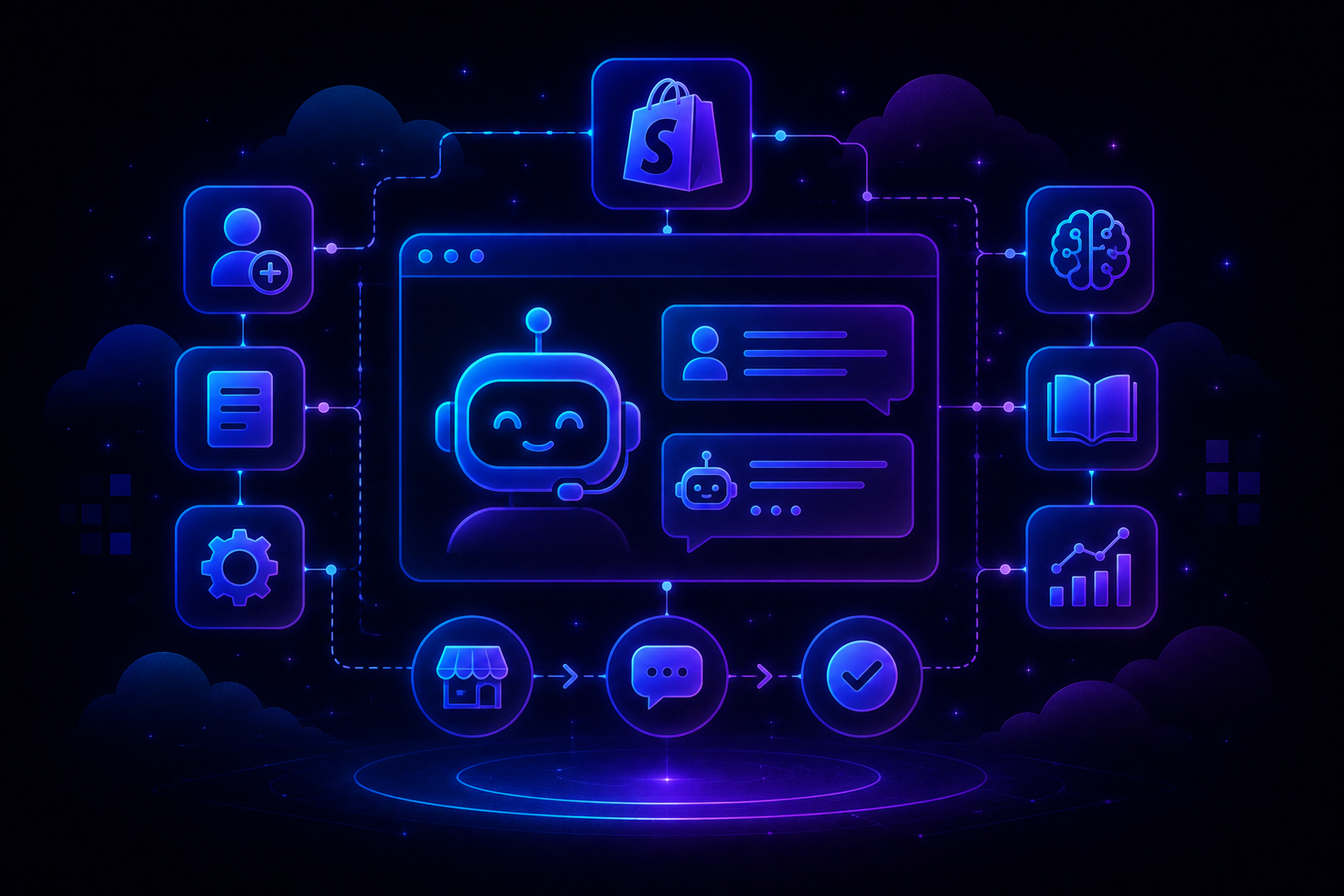
QuantumDesk is an AI-native customer service platform built for fashion ecommerce brands managing high-intent shopper conversations across live chat, WhatsApp, and social channels during peak traffic and campaign periods.
QuantumDesk reduces cart abandonment by removing the uncertainty keeping high-intent shoppers from completing purchases. Fashion brands convert more browsing sessions into completed orders by answering the right questions at exactly the right moment.
For fashion brands evaluating their options, the best customer service software for ecommerce brands shows where AI-native platforms consistently outperform disconnected tool stacks during high-traffic campaign periods.
What Are QuantumDesk's Key Capabilities?
- Quantum AI instantly answers sizing, return policy, delivery, and fit questions across live chat, WhatsApp, and social at the exact moment shoppers are deciding whether to complete a purchase.
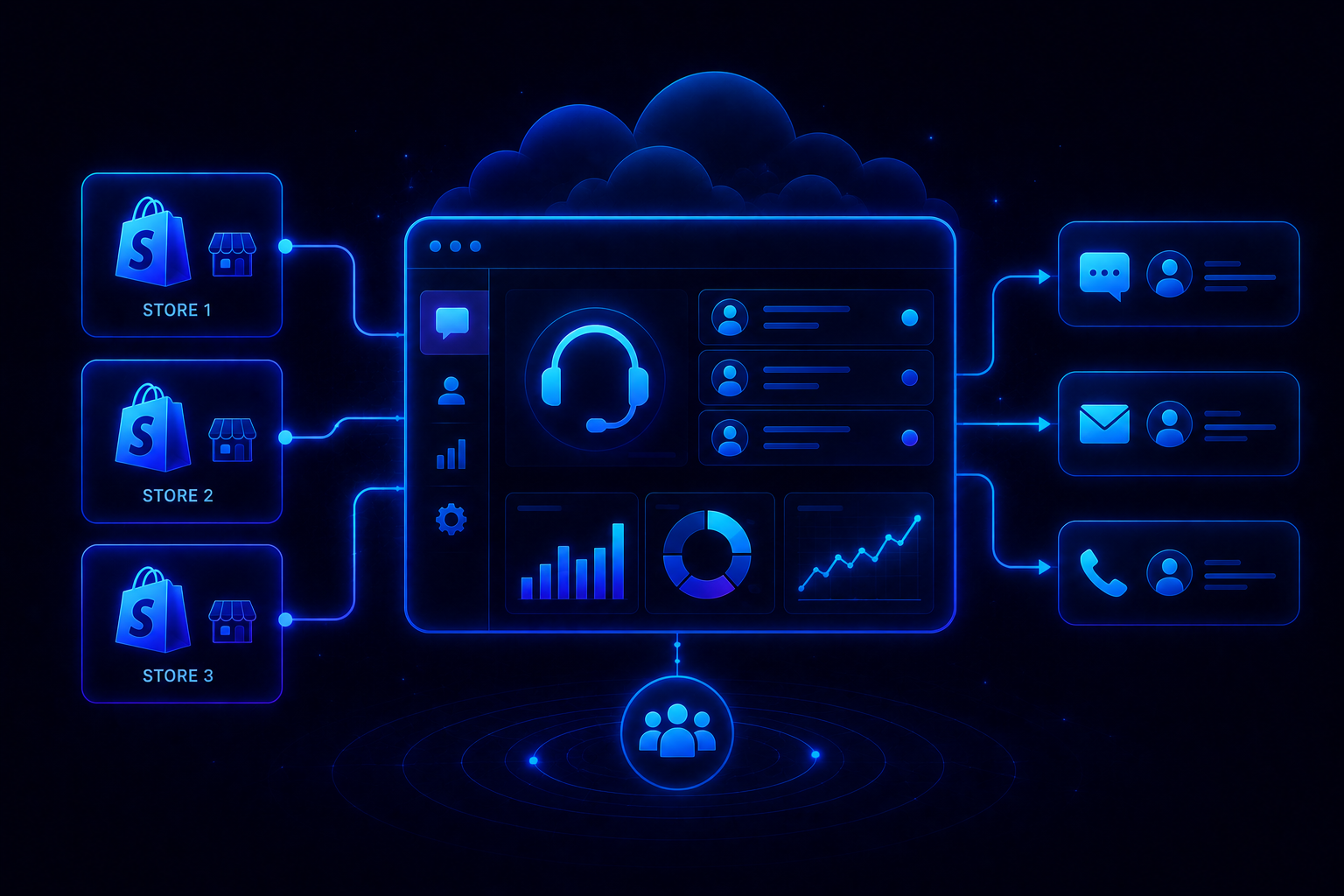
- Unified workspace gives agents full conversation history across Instagram, WhatsApp, email, and live chat so shoppers never repeat sizing questions they already asked on a different channel.
- Multi-channel customer service continuity keeps high-intent buyers moving toward checkout by maintaining complete context across every channel without switching between disconnected tools.
- Quantum AI Copilot surfaces sizing knowledge and suggests faster responses so agents resolve hesitation and return policy questions before uncertain shoppers leave and buy elsewhere.
Ready to see how it works? Book a demo to explore QuantumDesk for your team.
Frequently asked questions
1. Why do fashion shoppers abandon carts because of sizing uncertainty?
Fashion shoppers abandon carts when they feel unsure about fit accuracy, return difficulty, or sizing consistency across different apparel brands. Unlike most ecommerce categories, fashion involves physical fit that shoppers cannot verify before purchasing. When sizing charts are generic, model references are limited, or return policies are unclear, hesitation builds until the shopper leaves without buying.
2. How can fashion brands reduce sizing-related cart abandonment?
Brands can reduce abandonment using AI sizing tools, fit-focused reviews, model measurements with worn size references, clearly visible return policies, and real-time support for sizing questions during browsing. Addressing sizing uncertainty directly on the product page, before shoppers reach checkout, removes the hesitation that causes most fashion cart abandonment.
3. Why is mobile checkout important for reducing fashion cart abandonment?
Most fashion browsing happens on mobile devices, and most checkout friction occurs there too. Faster checkout flows, autofill forms, guest checkout, and digital wallet payments reduce the steps mobile shoppers must complete before purchasing. Every additional form field or navigation step on a small screen increases the probability of abandonment before payment is submitted.
4. How do return policies influence fashion ecommerce conversions?
Visible and simple return policies reduce shopper anxiety by reassuring customers they can easily exchange or return products if sizing feels incorrect. When return terms are buried in the footer or written in complex language, first-time buyers treat them as a warning sign rather than a safety net. Return clarity is a conversion tool, not just a logistics policy.
5. How does QuantumDesk help reduce fashion ecommerce cart abandonment?
QuantumDesk answers sizing and return questions instantly through Quantum AI, so shoppers don't have to leave a product page to find the information they need to complete a purchase. The unified workspace keeps conversation history across all channels so agents have full context for every shopper interaction. Quantum AI Copilot assists agents in real time during high-intent buying moments, reducing the hesitation that turns browsing sessions into abandoned carts.




.avif)