Summarize with AI
Key Takeaways
- Text reviews highlight LiveChat's clean widget, two-decade product maturity, and effective ChatBot deflection as core strengths for chat-first teams.
- QuantumDesk is consistently shortlisted as the AI-native alternative for teams needing embedded AI, unified omnichannel coverage, and structured ticketing beyond chat.
- Teams switch from Text when modular product stacking, AI gated to LiveChat Business at $59 per agent, and ChatBot conversation caps outpace the value received.
- Text's most cited limitations are modular pricing, conversation-first workflows lacking ticketing depth, and engagement-focused dashboards offering limited operational visibility for support leaders.
- Evaluate Text reviews by team size, channel mix, AI accessibility, and whether your support operations need structured ticket lifecycle visibility beyond chat conversations.
Text has emerged as a recognized tool among the best help desk software options in the customer service category. Many support teams evaluate it before committing to a long-term platform.
Reviews are mixed. They tend to depend on team size, channel preferences, and how deeply the platform is used.
From this guide you will learn about:
- What users consistently praise about Text across verified review platforms
- Where users struggle or raise recurring complaints as usage and scale increase
- When teams start considering alternatives like QuantumDesk as a more capable long-term fit
You will learn everything about Text’s public user feedback, verified review data, and market analysis.
What is Text and Who typically uses it?
Text, formerly known as LiveChat Software, is a customer communication platform centered on live chat, automation, and conversational support across websites and messaging channels.
Mid-market SaaS, e-commerce, and digital services teams running chat-first support operations are the primary users.
Support teams use Text day to day to deploy live chat on their website. They deflect repetitive questions through chatbots, manage ticketing in HelpDesk, and publish self-service articles inside KnowledgeBase.
How did We Analyze Text Reviews?
The insights in this review come from public user feedback, verified customer ratings, and observed usage patterns across multiple platforms, communities, and direct product assessment.
- Review platforms: Text reviews on G2, Capterra, TrustRadius, and similar verified sources were analyzed for ratings, written feedback, and recurring sentiment themes across user segments.
- Community research: User comments, discussions, and recommendations from support leaders across Slack groups, Reddit, LinkedIn, and SaaS forums were reviewed for pattern identification.
- Hands-on observations: Direct product testing and customer conversations were used to validate patterns identified across public review data and community discussions.
What Do Users Like about Text?
Most positive Text reviews focus on its chat-first design, ease of website deployment, and product maturity built over two decades.
- Strong live chat experience: Users consistently praise Text's LiveChat product for its clean widget, fast deployment, and reliable real-time conversation handling on websites.
- Established product maturity: Reviewers point to Text's two-decade track record and publicly listed status as signals of reliability and long-term product stability.
- Mature out-of-the-box analytics: Teams value Text's reporting depth on chat volumes, response times, and agent activity, especially for chat-heavy support environments at scale.
- Effective automation for chat deflection: Users running ChatBot note its ability to deflect repetitive questions and qualify leads before routing conversations to human agents.
- Modular product flexibility: Some reviewers appreciate the ability to purchase LiveChat, HelpDesk, or ChatBot independently based on which capabilities the team needs at a given stage.
What are the Common Complaints and Limitations in Text Reviews?
Most critical Text reviews emerge as teams scale usage, push beyond chat-only support, or begin comparing it against more AI-native alternatives.
- Modular pricing creates cost stacking: A closer look at Text pricing reveals why reviewers consistently flag that needing LiveChat, HelpDesk, and ChatBot together creates a fragmented bill across multiple products with no bundled discount.
- AI features gated to higher tiers: Multiple reviews note that AI assist sits only on LiveChat Business at $59 per agent. This forces full seat-base upgrades for AI access.
- Conversation-first model lacks ticketing depth: Teams running SLA-driven support describe Text's lightweight metadata and message-driven workflows as insufficient for structured ticket lifecycle management.
- Dashboard focused on engagement, not operations: Reviewers managing support as a team often note Text's dashboard surfaces chat activity but lacks visibility into stuck tickets, ownership gaps, or SLA risks.
- ChatBot conversation caps cause overage anxiety: Users running ChatBot consistently note that valid chat limits trigger either tier upgrades or per-chat overage fees during marketing campaigns or seasonal spikes.
How do Text Reviews Break down by Use Case?
1. Text for small teams or startups
Small chat-first teams and early-stage startups consistently give Text its strongest reviews. Fast LiveChat deployment, simple widget customization, and the ability to handle real-time conversations make it a practical fit for small business customer service at this stage.
Friction first appears when teams need ticketing, AI, or coverage beyond chat.
2. Text for growing or scaling support teams
As ticket volume grows and teams expand support channels, reviews begin shifting. Users at this stage increasingly flag modular product costs, AI tier gating, and the engagement-focused dashboard.
Teams that onboarded on LiveChat alone often discover mid-growth that they need HelpDesk and ChatBot stacked on top.
3. Text for advanced or high-volume support operations
Reviews become more critical at this stage. Teams running structured, SLA-driven support consistently note that Text's conversation-first model lacks the ticket lifecycle depth, operational visibility, and embedded AI workflows that advanced support operations require.
What are real users saying about Text?
- Paraphrased from G2 (Verified User, SaaS, Small Business): Text's LiveChat is praised for its clean widget and reliable real-time chat performance on customer-facing websites.
- Paraphrased from G2 (Verified User, E-commerce, Mid-Market): Reviewers value Text's product maturity and reporting depth, though some flag that AI assist features require costly tier upgrades.
- Paraphrased from Capterra (Support Manager, SaaS): Users note ChatBot's effective deflection performance while pointing out that valid chat limits create unpredictable cost pressure during traffic spikes.
When is Text a good choice based on reviews?
Based on user feedback, Text delivers genuine value in specific contexts, particularly for chat-first teams with website-driven customer interactions.
- Small chat-first teams with website traffic: Teams running real-time customer conversations on their website get immediate value from LiveChat's clean widget and fast deployment.
- Marketing-driven teams needing automation-led deflection: Companies prioritizing chat-based lead qualification and L1 deflection find ChatBot's visual builder effective for handling repetitive inbound volume.
- Budget-conscious teams needing only one Text product: Buyers who only need LiveChat or HelpDesk standalone, and those who have already explored best free customer service software options, can adopt without committing to the full modular product stack.
When does Text start falling short?
The majority of critical Text reviews appear at a specific inflection point. That point comes when teams begin scaling support beyond chat-first conversations, expanding into structured ticketing, or requiring AI capabilities gated behind higher pricing tiers.
- AI capabilities locked to higher LiveChat tiers: Reviews flag that AI assist features open up only on LiveChat Business at $59 per agent. This forces entire seat-base upgrades for AI access.
- Modular pricing creates unpredictable cost stacking: Combining LiveChat, HelpDesk, ChatBot, and KnowledgeBase across per-agent and per-conversation pricing makes total cost difficult to forecast as teams grow.
- Conversation-first model limits operational visibility: Teams running structured support note that Text's dashboard surfaces chat activity but lacks operational insight into ticket movement, SLA risks, and ownership gaps.
- ChatBot conversation caps cause budget anxiety: Hard valid chat limits trigger forced tier upgrades or per-chat overage charges during traffic spikes and marketing campaigns. How excessive customer conversations reduce the support quality is a concern that grows with scale.
How does QuantumDesk compare to Text based on common review gaps?
QuantumDesk is an AI-native customer service platform and a leading contender among the best AI help desk software options, built to address precisely the limitations that appear most frequently in Text reviews: weak embedded AI, modular product fragmentation, conversation-first workflows, and limited operational visibility. It does this without requiring tier upgrades or stacked subscriptions.
- Where Text reviews flag AI gated to higher tiers: QuantumDesk embeds Quantum AI across ticket workflows from day one, with no tier upgrade required to access AI customer service tools.
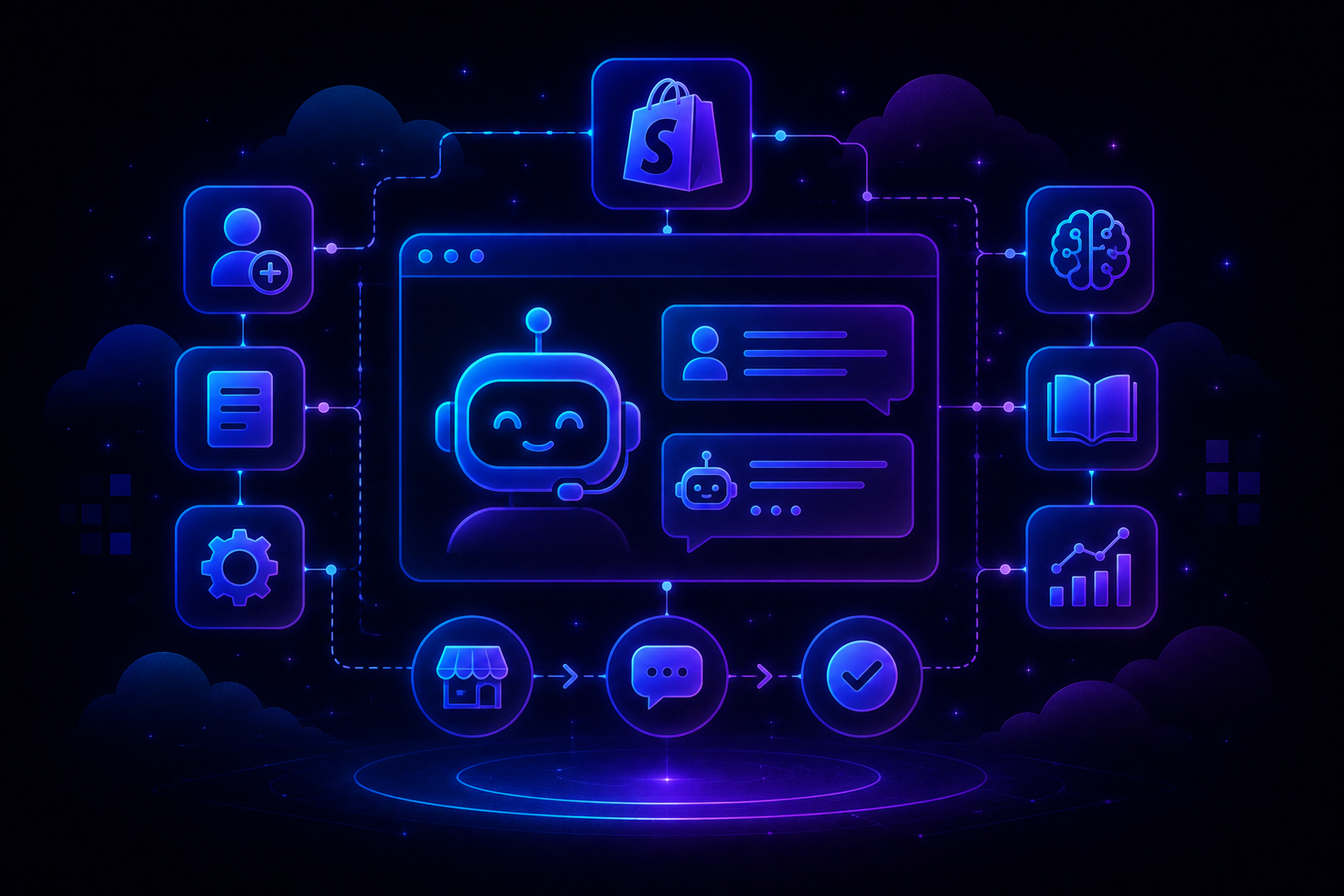
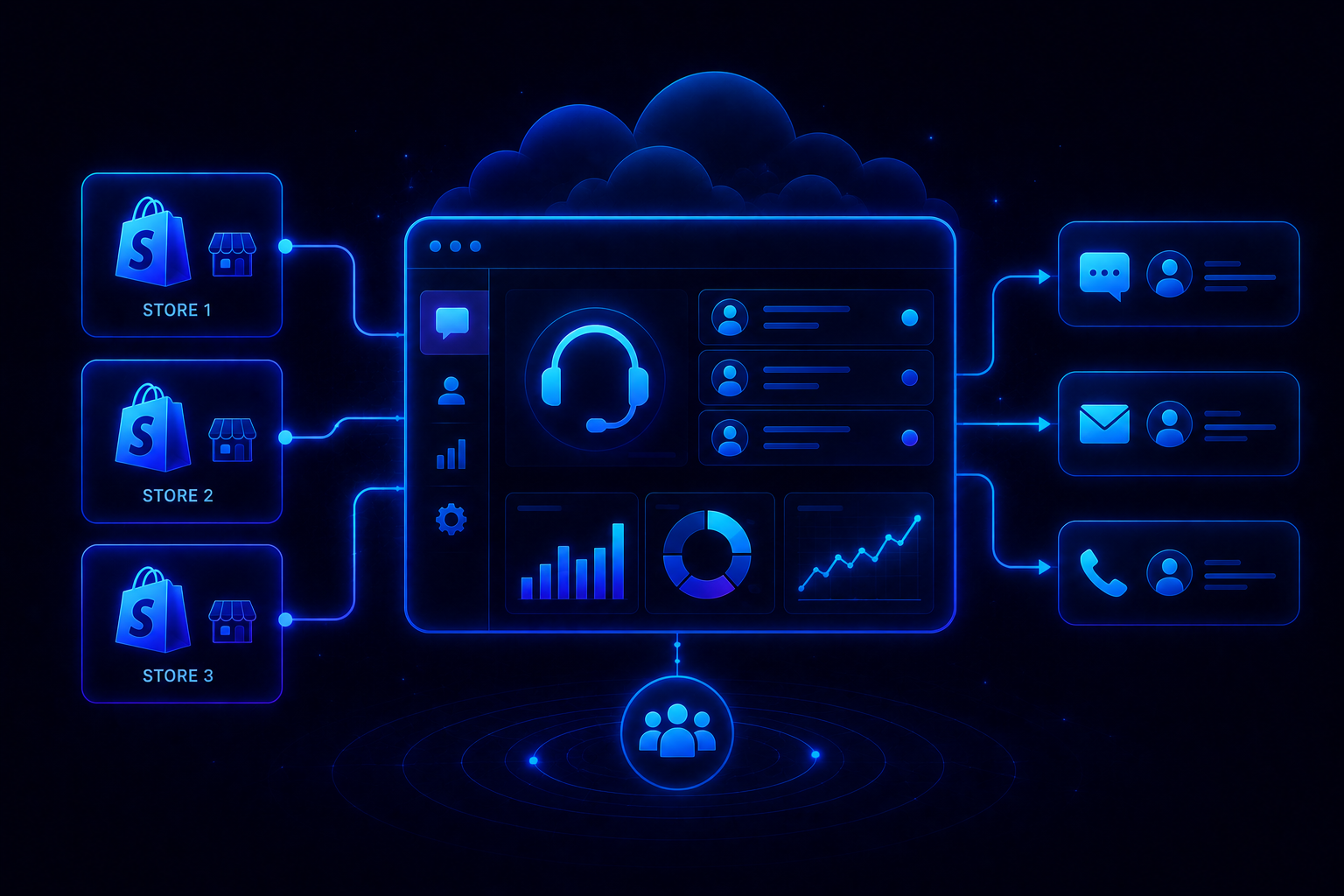
- Where reviews cite modular product fragmentation: QuantumDesk unifies inbox, ticketing, AI, analytics, and admin into a single connected platform instead of stacking LiveChat, HelpDesk, and ChatBot.
- Where reviews mention conversation-first limitations: QuantumDesk runs support as structured tickets with clear ownership, SLA awareness, issue categorization, and lifecycle visibility built into the core platform.
- Where reviews flag engagement-focused dashboards: QuantumDesk provides an operations command center surfacing ticket movement, assignment gaps, resolution states, and bottlenecks for support leaders.
Support teams exploring Text alternatives frequently shortlist QuantumDesk as the AI-native option that removes the ceiling Text creates at scale.
Text vs QuantumDesk: Which is the Better Fit?
Here is how Text and QuantumDesk compare across the dimensions that matter most for support teams.
Final verdict on Text Reviews
Text earns its strongest reviews from chat-first teams running real-time customer conversations on their websites. LiveChat's clean widget, ChatBot's deflection performance, and the platform's two-decade maturity deliver genuine value for teams whose support sits primarily inside chat.
Its core limitations consistently surface in reviews as teams scale. These include modular product stacking, AI gated to higher tiers, conversation-first workflows, and engagement-focused dashboards.
QuantumDesk becomes the stronger long-term choice among the best customer service software options for teams that outgrow Text's chat-first model and need AI built into structured support from day one.
Frequently Asked Questions about Text reviews
Is Text worth it based on reviews?
For chat-first teams running website-based customer conversations, reviews suggest Text delivers genuine value and fast time-to-value with LiveChat.
However, teams that need embedded AI, multi-channel customer service coverage beyond chat, or predictable pricing at scale consistently rate the platform lower as usage matures. Whether Text is worth it depends on team size, channel preferences, and how quickly support operations are expected to grow.
What do users dislike most about Text?
The most consistently cited frustrations in Text reviews are modular product pricing and AI features being gated to higher LiveChat tiers.
Reviewers also flag the conversation-first model lacking structured ticketing depth. The engagement-focused dashboard offers limited operational visibility. ChatBot conversation caps trigger overage costs or forced tier upgrades during marketing campaigns and seasonal traffic spikes.
Is Text suitable for scaling support teams?
Text works well at small scale with chat-first operations, but reviews indicate it creates increasing friction as channels and AI needs grow.
Scaling teams face a compounding cost structure, with LiveChat, HelpDesk, and ChatBot each priced separately and AI gated behind tier upgrades. Teams that start on LiveChat alone often discover mid-growth that the capabilities they now need sit across multiple Text products.
Why do teams switch from Text to QuantumDesk?
Teams typically switch when Text's modular pricing, AI tier gating, and conversation-first workflows begin to outpace the value being received.
The most common switch triggers are needing AI embedded across ticket workflows rather than gated behind a tier upgrade, requiring true omnichannel support in one inbox, and wanting a pricing model that does not stack across separate Text products as the team grows.
Are QuantumDesk reviews more positive than Text?
QuantumDesk is an AI-native platform built specifically to address the gaps that appear most frequently in Text reviews at scale.
While Text receives strong reviews from small chat-first teams, QuantumDesk is consistently shortlisted by teams that have outgrown those constraints. These teams need AI embedded at the core, omnichannel coverage from day one, and a pricing structure that does not fragment across multiple products. Explore QuantumDesk to evaluate the fit for your team.




.avif)