.jpg)
Summarize with AI
Key Takeaways
While Intercom is a leader in customer engagement, many businesses are switching to alternatives to avoid unpredictable pricing and complex AI add-on costs. Selecting the right platform requires balancing native AI functionality with your team's specific multi-channel support requirements.
- QuantumDesk offers native AI features built into the platform at no additional monthly cost.
- Freshdesk provides a cost-conscious solution for SMBs that require structured ticketing and fast setup.
- Zendesk remains a top choice for mid-market and enterprise teams needing a mature integration ecosystem.
Intercom is one of the most recognized platforms in the customer messaging and support category. Many teams evaluate it when looking to unify live chat, AI automation, and help desk workflows. But as needs evolve, scale increases, or budget constraints tighten, a growing number of teams find themselves exploring what else is available.
This guide compares the best Intercom alternatives in 2026 covering who each tool is built for, what it does differently, and where it outperforms Intercom for specific use cases and team profiles. For a wider lens beyond Intercom specifically, our best customer service software roundup compares tools across categories.
Tools in this list were evaluated based on:
- Verified Intercom reviews from G2, Capterra, and TrustRadius
- Discussions and feedback from support leaders in SaaS communities and forums
- Hands-on testing to assess automation quality, usability, and escalation handling
QuantumDesk is included in this list and is our recommended alternative for D2C brands and B2B SaaS teams with in-house support. We have been transparent about this throughout.
Every tool on this list is here because it genuinely solves a problem that Intercom users commonly run into. The goal is to help you find the right fit.
What Is Intercom?
Intercom is a customer communication platform built around live chat, messaging, and in-app engagement. As one of the early movers in conversational AI in customer service, it helped popularize live chat as a primary support channel. It helps businesses manage real-time conversations with customers across their website, product, and support channels from a single workspace.
It is most commonly used by SaaS companies, product-led growth teams, and e-commerce businesses that rely on real-time chat for support, onboarding, and proactive customer engagement.
Teams use Intercom to handle incoming support queries via live chat and email, deploy Fin AI to automatically resolve common questions, run outbound messaging campaigns, and manage customer conversations through a shared inbox.Teams that prioritize real-time communication and in-app engagement use it as their primary support layer
Key Features of Intercom
- Fin AI Agent that resolves customer queries automatically, charged at $0.99 per successful resolution
- Shared inbox that consolidates conversations from chat, email, WhatsApp, SMS, and social channels
- Workflow builder for automating ticket routing, lead capture, and customer satisfaction workflows
- In-app product tours, banners, and proactive messaging for onboarding and customer engagement
- Help center with multilingual support and AI-powered article suggestions for self-service
- AI copilot for agents with reply suggestions, conversation summaries, and tone assistance
When to Consider an Intercom Alternative?
Pricing becomes unpredictable at scale
Intercom pricing starts at $29 per seat per month, with Advanced plans at $85 and Expert at $132. Fin AI adds $0.99 per resolution on top.
For teams with high ticket volumes, Fin AI costs alone can generate significant monthly bills that are difficult to forecast. Multiple user reviews on Capterra and G2 flag this as the primary reason for switching.
AI is a cost addition, not a built-in capability
For D2C brands and B2B SaaS teams that want AI included as part of the platform not charged as a usage fee this model creates ongoing budget pressure.
Reporting and analytics fall short
Users on G2 and Capterra consistently flag that Intercom's analytics are limited relative to the price point. Extracting meaningful operational insights often requires workarounds or third-party tools, which adds complexity for support leaders.
Complex setup and steep learning curve
Teams without dedicated ops or CX resources frequently report that getting the platform fully functional takes longer than expected, with workflows and automations requiring significant setup time.
Customer support from Intercom itself is inconsistent
Multiple users report waiting seven or more days for a first response during critical issues, a meaningful risk for teams relying on the platform for live support.
How We Evaluated the Best Intercom Alternatives
The goal of this evaluation was to go beyond surface-level feature comparisons and assess how each tool performs in real support environments.
This methodology is designed to give support teams a practical, grounded evaluation basis rather than a marketing-driven feature list.
Top Intercom Alternatives to Consider
The tools below were evaluated based on AI capability, channel coverage, ease of deployment, escalation design, and overall value for support teams at different stages of growth and complexity.
QuantumDesk
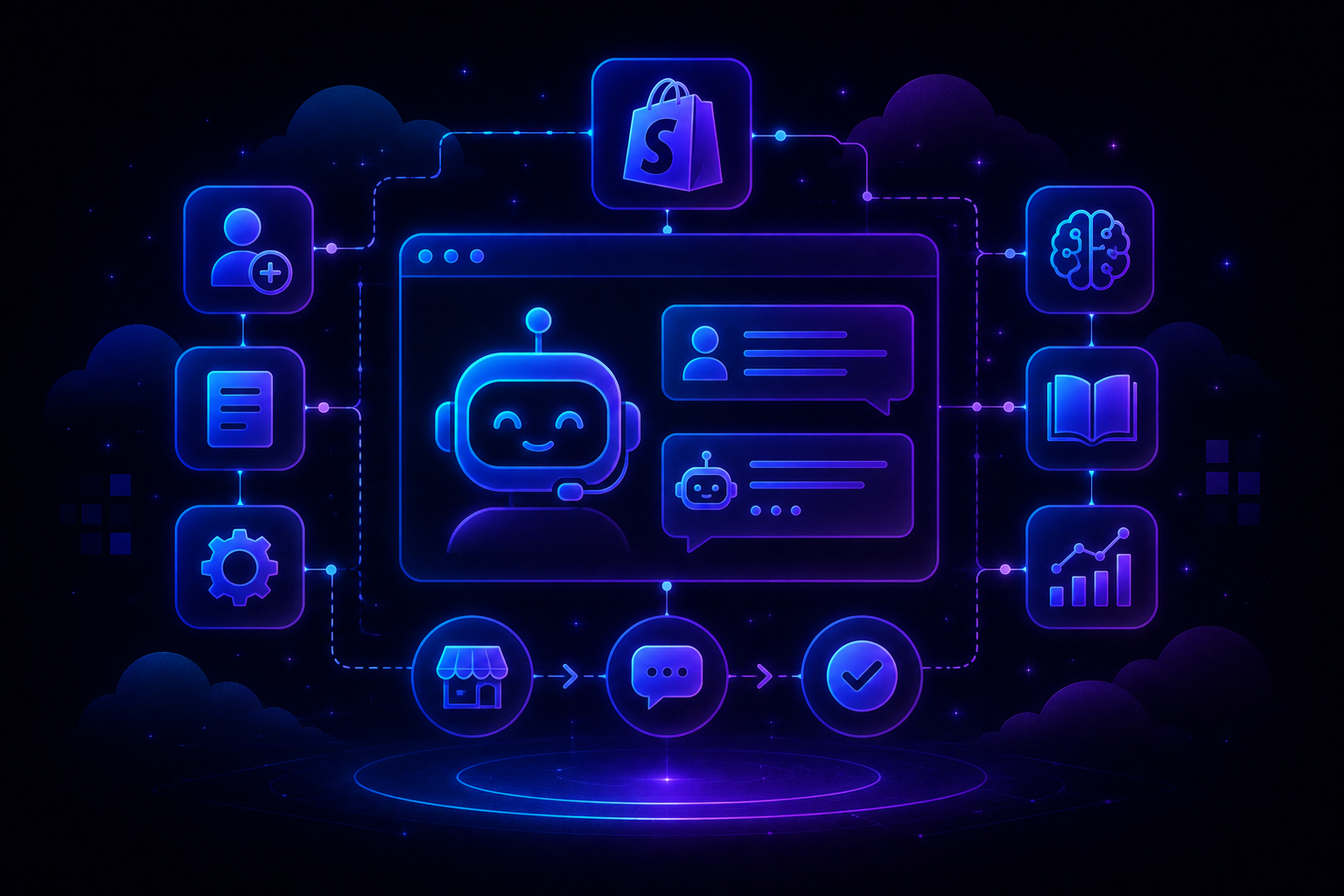
QuantumDesk is an AI-native customer support platform built for D2C brands and B2B SaaS companies with in-house support teams. QuantumDesk includes AI across the entire platform triage, resolution, agent assistance, and analytics without charging extra. Intercom, by comparison, adds $0.99 per Fin AI resolution on top of seat fees.
Teams handling 1,000 or more tickets per month across email, chat, WhatsApp, and social channels get automation that works from day one without add-on billing. Quantum AI operates across three levels, which are resolving common customer queries automatically, assisting agents with drafts and summaries in real time, and giving admins visibility into support performance through a live dashboard.
Teams switch to QuantumDesk from Intercom specifically because they want AI included at no extra cost, predictable hybrid pricing, and a platform that unifies all support channels, including WhatsApp in one workspace without requiring Intercom's full suite licensing.
Key Features
- Quantum AI for customers — automatically resolves L1 queries like order status, refunds, and account questions without agent involvement
- Quantum AI copilot for agents — drafts context-aware responses, summarizes conversations, and suggests next actions in real time
- AI-curated inbox that analyzes urgency, sentiment, intent, and channel to prioritize tickets automatically, so agents work the right issues first without any manual triage
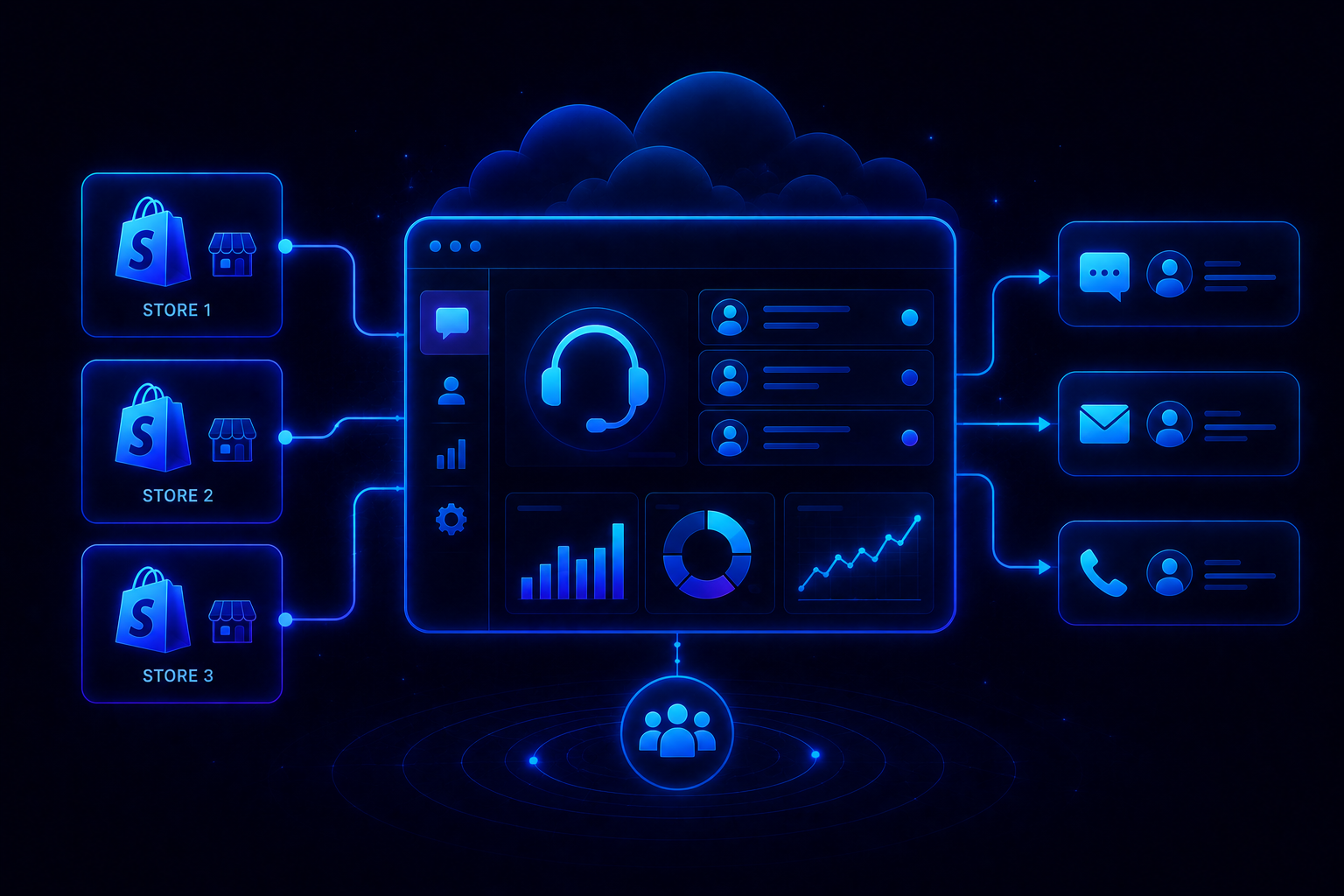
- Unified conversational workspace across email, chat, WhatsApp, social media, and APIs with full history
- Real-time health dashboard tracking AI vs. human resolution rates, escalations, CSAT, and SLA performance
Why Choose QuantumDesk Over Intercom?
- AI is included in the platform at no extra cost — no per-resolution fees like Intercom's $0.99 Fin AI model that makes costs unpredictable at scale
- Hybrid pricing model combining agent packs with usage-based credits gives teams cost predictability that Intercom's modular billing does not
- WhatsApp and social channels are unified in the same workspace as email and chat, without requiring separate suite licenses or add-ons
Pros
- AI built into inbox, triage, agent assistance, and analytics from the ground up
- No per-resolution billing surprises — AI costs are predictable from the start
- Strong fit for teams in the UAE and Africa where WhatsApp is the primary support channel
Cons
- Currently in beta — enterprises requiring extensive proof of scale may need additional validation
- GDPR and SOC2 certifications in progress, expected Q2 2026 — may be a consideration for teams in regulated sectors
- Public pricing not yet listed — teams need to contact the QuantumDesk team for current plan details
Customer Review
Early users highlight the value of having AI assistance built into every part of the support workflow from day one, without the per-resolution billing model that made Intercom costs difficult to forecast.
Pricing
QuantumDesk uses a hybrid model combining 5-agent packs with usage-based credits and tiered plans. Contact the QuantumDesk team directly for current pricing at quantumdesk.ai.
Freshdesk
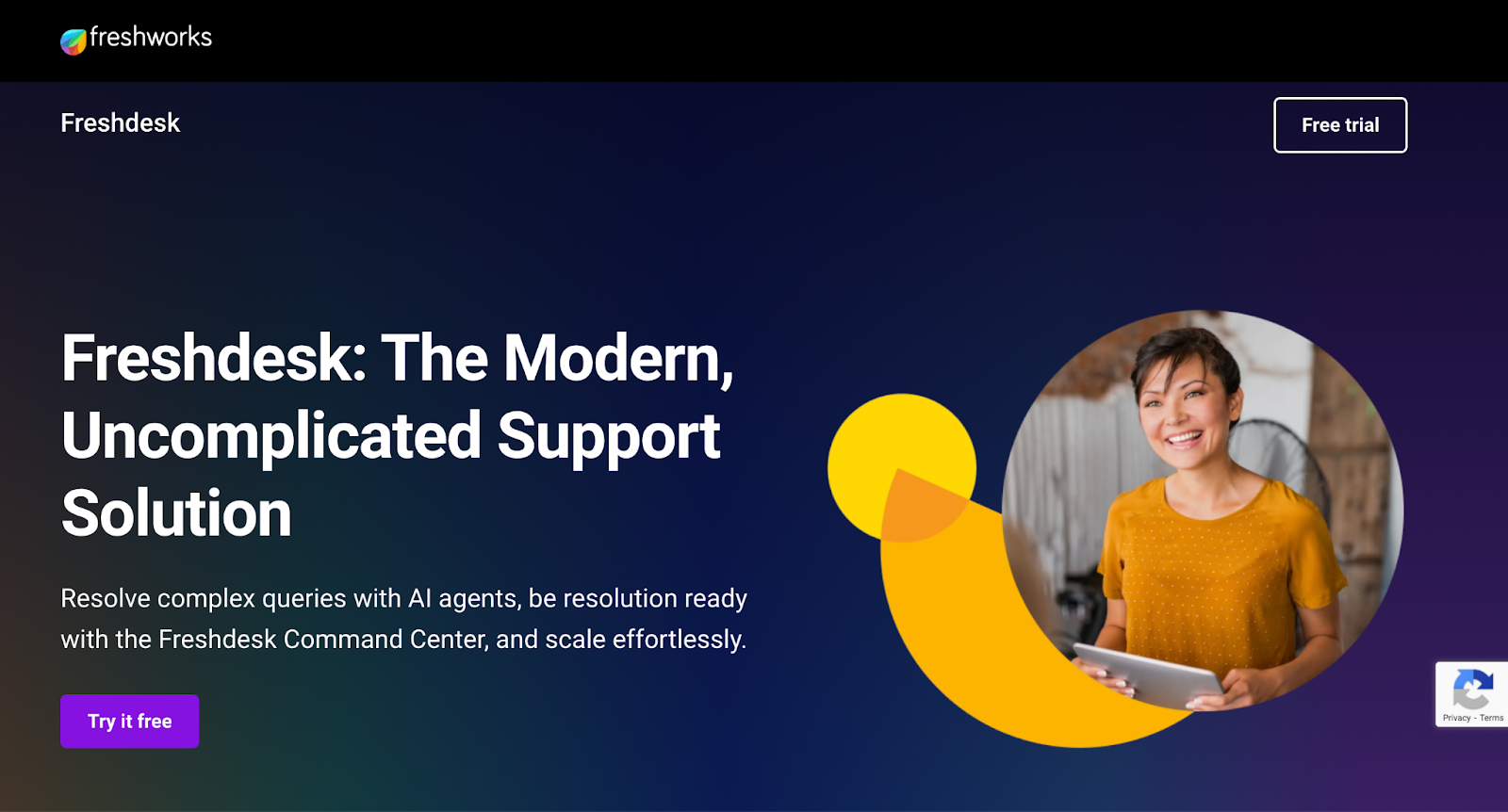
Freshdesk is a helpdesk platform by Freshworks that organizes customer queries into trackable tickets, with Freddy AI built in to assist agents with reply suggestions, conversation summaries, and auto-triage across the standard agent workspace.
It is most commonly used by small to mid-sized businesses that need a structured, affordable alternative to managing support through a shared email inbox, particularly teams at the earliest stage of formalizing their support operations.
Teams switching from Intercom to Freshdesk typically do so because they need a more traditional ticket-based system with lower entry-level costs, and do not require Intercom's in-app messaging or product tour capabilities.
Key Features
- Freddy AI for reply suggestions, conversation summaries, auto-triage, and sentiment analysis inside the agent workspace
- Multi-channel ticket management across email, chat, phone, and social from a single interface
- Automation rules for ticket assignment, routing, escalation, and SLA management
- Self-service knowledge base with solution article generation and customer portal
- Team collaboration tools including shared ticket ownership and internal notes
Why Choose Freshdesk Over Intercom?
- More predictable base pricing without per-resolution AI fees — Freshdesk's plan structure is easier to forecast at moderate ticket volumes than Intercom's usage-based billing
- Faster to deploy for teams that primarily need structured ticket management rather than Intercom's broader messaging and in-app engagement suite
- Free plan available for very small teams — Intercom requires paid seats from the start
Pros
- Fast setup with a clean interface that most agents learn quickly without extended onboarding
- Broad multi-channel coverage across email, chat, phone, and social at competitive pricing
- Free plan available for teams with up to two agents
Cons
- Advanced AI features including the full Freddy copilot require the Pro + AI Copilot bundle, pushing per-agent costs significantly higher
- Reporting tools are limited at lower tiers — some teams export data manually to build useful insights
- AI architecture remains an add-on layer rather than built into the platform from the ground up
Customer Review
Paraphrased from G2: A user noted that after switching from a legacy tool, Freshdesk's automation options were a meaningful improvement, though features matching their specific needs consistently sat behind higher plan tiers than initially expected.
Pricing
Free plan for up to 2 agents. Paid plans start at approximately $15 per agent per month on annual billing, with AI copilot and advanced features available at mid-tier plans and above. For a broader comparison beyond Intercom alternatives, see our roundup of the best help desk software.
Zendesk
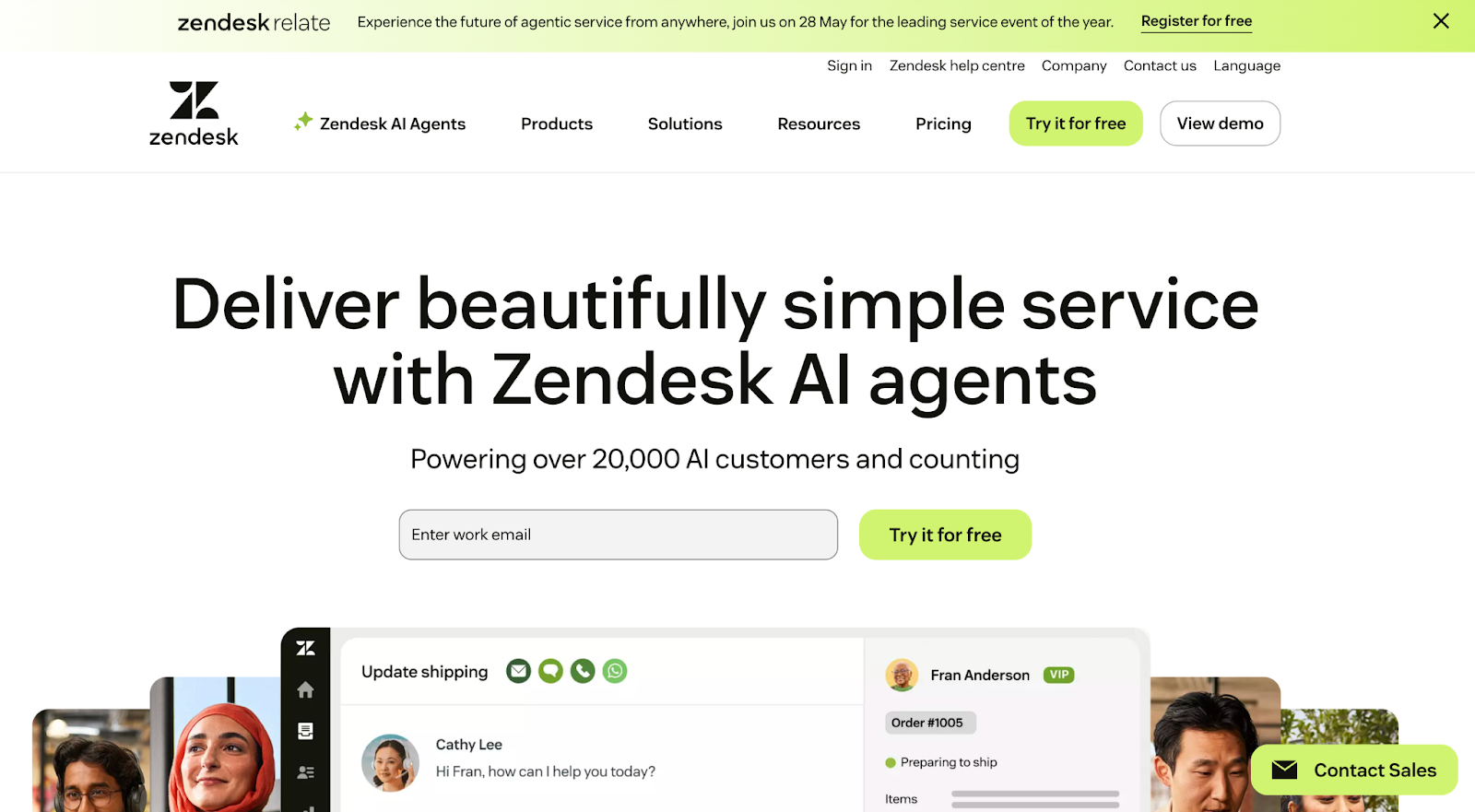
Zendesk is one of the most established customer service platforms, built around a mature ticket management system with a substantial AI layer including an AI agent, AI copilot, and intelligent triage all available as add-ons to its Suite plans.
It is most commonly used by mid-market and enterprise support teams that need proven ticketing infrastructure, a large integration ecosystem, and compliance-grade security for complex, high-volume support operations.
Teams switching from Intercom to Zendesk typically do so when they need more structured ticket workflows, deeper reporting, and the integration breadth that Intercom's messaging-first architecture does not match.
Key Features
- AI copilot for agents with suggested replies, tone adjustments, and conversation summaries inside the agent workspace
- Intelligent triage that predicts ticket fields and routing priorities based on intent and sentiment signals
- AI agent for self-service and deflection across web, messaging, and social channels
- Extensive marketplace of third-party integrations across CRMs, telephony, and business tools
- Advanced analytics and reporting available at Suite Professional and above
Why Choose Zendesk Over Intercom?
- Stronger ticket management structure for teams that need SLAs, complex routing, and escalation workflows that Intercom's conversation-first design does not handle as cleanly
- Broader integration ecosystem with deeper two-way data sync for CRMs, e-commerce platforms, and internal tools
- More established compliance and security posture for teams in regulated industries evaluating both platforms
Pros
- Mature, battle-tested ticketing with robust enterprise-grade features and reliability
- Large integration ecosystem covering most tools support teams already use
- Strong reporting at higher tiers for support leaders who need operational visibility
Cons
- AI copilot and advanced AI features are gated behind add-on fees, often pushing per-agent costs above $150 per month when bundled
- Can be overly complex and expensive for smaller teams that do not need enterprise-scale infrastructure
- AI is an add-on layer rather than natively embedded across the platform from the ground up
Customer Review
Paraphrased from G2: A long-term Zendesk user noted that the platform's depth and reliability are genuine strengths, but the cost of unlocking meaningful AI capabilities through add-ons makes it harder to justify for teams below mid-market scale.
Pricing
Suite Team starts at $55 per agent per month on annual billing. Suite Professional is approximately $115 per agent per month. AI add-ons apply on top of base plan pricing.
Zoho Desk
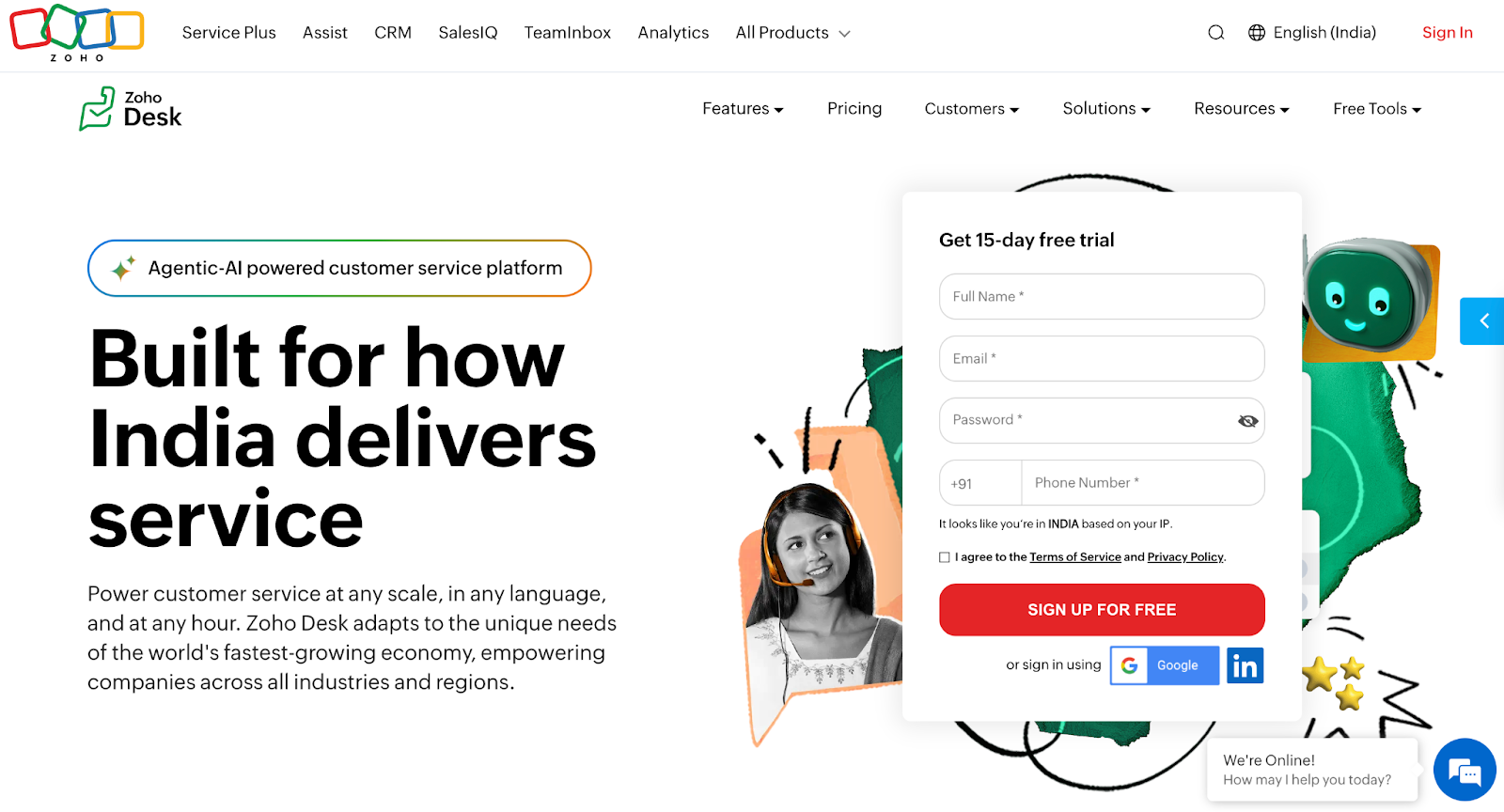
Zoho Desk is a multi-channel helpdesk platform focused on affordability for SMBs, with Zia AI built in for ticket tagging, field prediction, and anomaly detection. It is one of the most cost-competitive options in the helpdesk category.
It is primarily used by price-sensitive small businesses and teams already using other Zoho products — CRM, analytics, or project management — who want native integration without additional setup or cost.
Teams switching from Intercom to Zoho Desk typically do so when Intercom's pricing is no longer justifiable for the volume and complexity of support they actually need, and a structured, affordable helpdesk covers their requirements without the messaging-first overhead.
Key Features
- Zia AI for automatic ticket tagging, field prediction, and anomaly detection that improves over time
- Multi-channel support across email, phone, chat, and social platforms starting at mid-tier plans
- Workflow automation for ticket routing, assignments, and escalation management
- Customizable dashboards and performance reporting
- Native integration with Zoho CRM and the broader Zoho product ecosystem
Why Choose Zoho Desk Over Intercom?
- Significantly lower per-agent cost at all tiers — Standard plan at $8 per agent per month versus Intercom's $29 entry point, with no per-resolution AI fees
- Better fit for teams that primarily need structured ticket management and basic AI assistance rather than Intercom's live chat and in-app engagement suite
- Native Zoho ecosystem integration for teams already using Zoho CRM or other Zoho tools, eliminating the need for additional connectors
Pros
- Most competitive per-agent pricing in the helpdesk category — Standard plan starts at approximately $8 per agent per month
- Zia's predictions improve in accuracy over time as the system processes more historical ticket data
- Part of the broader Zoho ecosystem, benefiting teams already using Zoho tools natively
Cons
- AI capabilities are limited in depth compared to AI-native platforms — better for triage assistance than end-to-end query resolution
- Advanced channels and deeper AI features require higher tiers, narrowing the price advantage over competitors at scale
- Less suitable for teams with complex, high-volume multi-channel support needs
Customer Review
Paraphrased from Capterra: A user highlighted Zoho Desk as strong value for money at lower tiers, noting that Zia's auto-tagging reduced manual work meaningfully once the system had processed enough ticket data to improve accuracy.
Pricing
Express at approximately $4.20 per agent per month, Standard at $8, Professional at $14, and Enterprise at $24 per agent per month on annual contracts.
Tidio
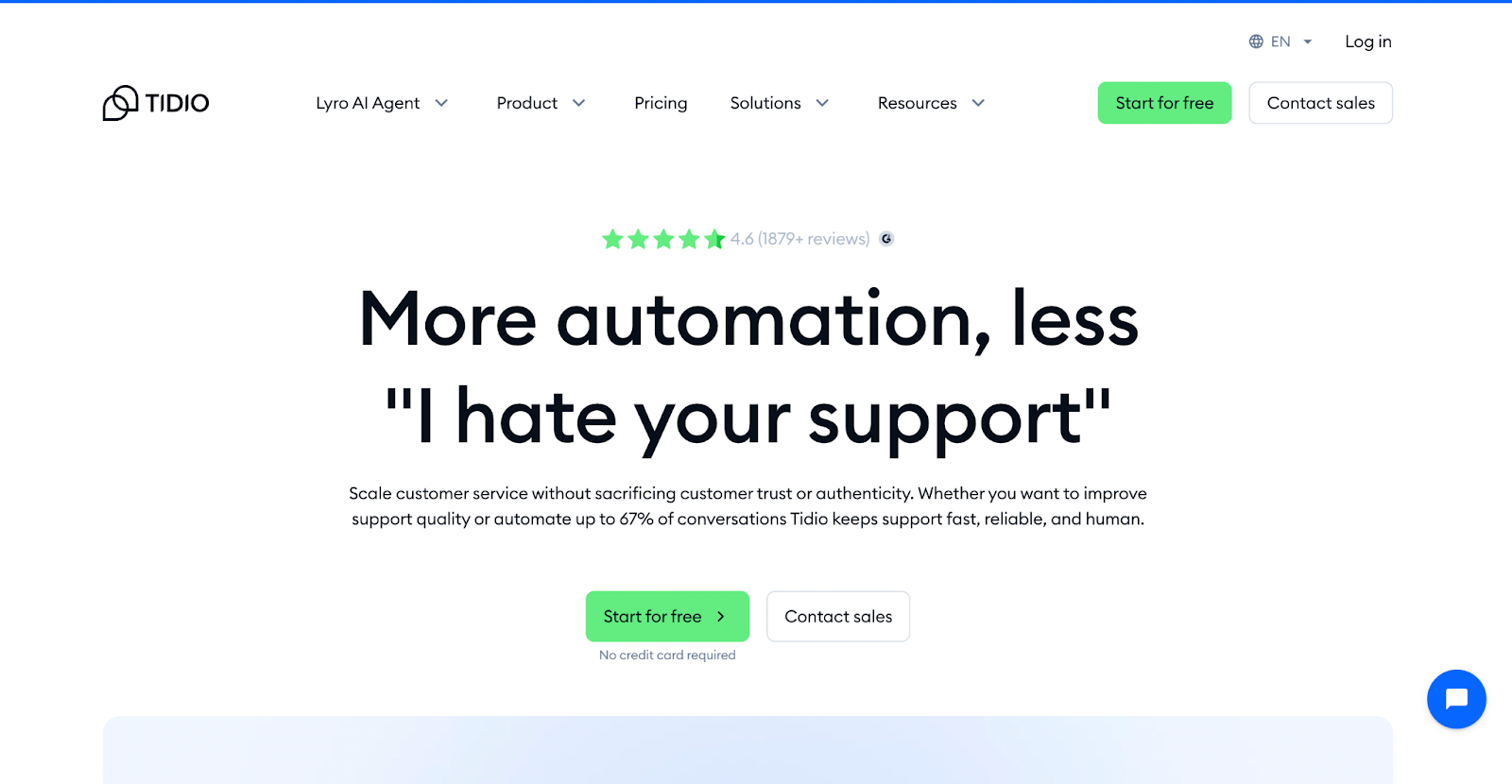
Tidio is a customer service and marketing platform built for small e-commerce businesses, combining live chat, chatbots, and Lyro AI to handle customer queries across website chat, WhatsApp, Instagram, and email without complex setup. Teams comparing AI chatbots for customer service often shortlist Tidio for its quick deployment on Shopify storefronts
It is primarily used by small D2C brands and online stores, particularly those running on Shopify, that need a quick-to-deploy chat and AI solution without enterprise-level cost or configuration overhead.
Teams switching from Intercom to Tidio typically do so when Intercom's pricing and complexity exceed what a small e-commerce operation needs, and a focused live chat and AI tool at a fraction of the cost meets their actual support requirements.
Key Features
- Lyro AI agent that resolves customer FAQs and transactional queries automatically using existing help content
- Live chat and chatbot builder for website and e-commerce storefronts with quick deployment
- Integrations with Shopify, Instagram, WhatsApp, Messenger, and email in one workspace
- Visitor tracking and behavior-based triggers for proactive chat engagement
- Free plan with limited interactions for very small teams getting started
Why Choose Tidio Over Intercom?
- Significantly lower cost with a free entry tier — Intercom requires paid seats from day one and charges per-resolution fees for Fin AI on top
- Much faster to deploy for small e-commerce teams that need basic AI chat without Intercom's full suite configuration and onboarding
- Better fit for Shopify-based D2C brands that need native e-commerce integrations without building custom connections
Pros
- Free plan available with accessible paid plans starting at $19 per month
- Quick to deploy without dedicated ops or IT resources
- Strong e-commerce integrations for Shopify and social commerce channels
Cons
- Analytics and workflow depth are more limited than enterprise-grade platforms
- Less suitable for complex or high-volume support operations beyond simple FAQ and transactional queries
- Does not offer the multi-channel unification or admin performance visibility of AI-native platforms
Customer Review
Paraphrased from G2: A small e-commerce user noted that Tidio's AI resolved a large share of common customer questions automatically, reducing inbound volume meaningfully without requiring any ongoing configuration after initial setup.
Pricing
Free tier available with approximately 50 unique AI interactions per month. Paid plans start near $19 per month, with higher tiers unlocking greater automation volume and advanced features.
Help Scout
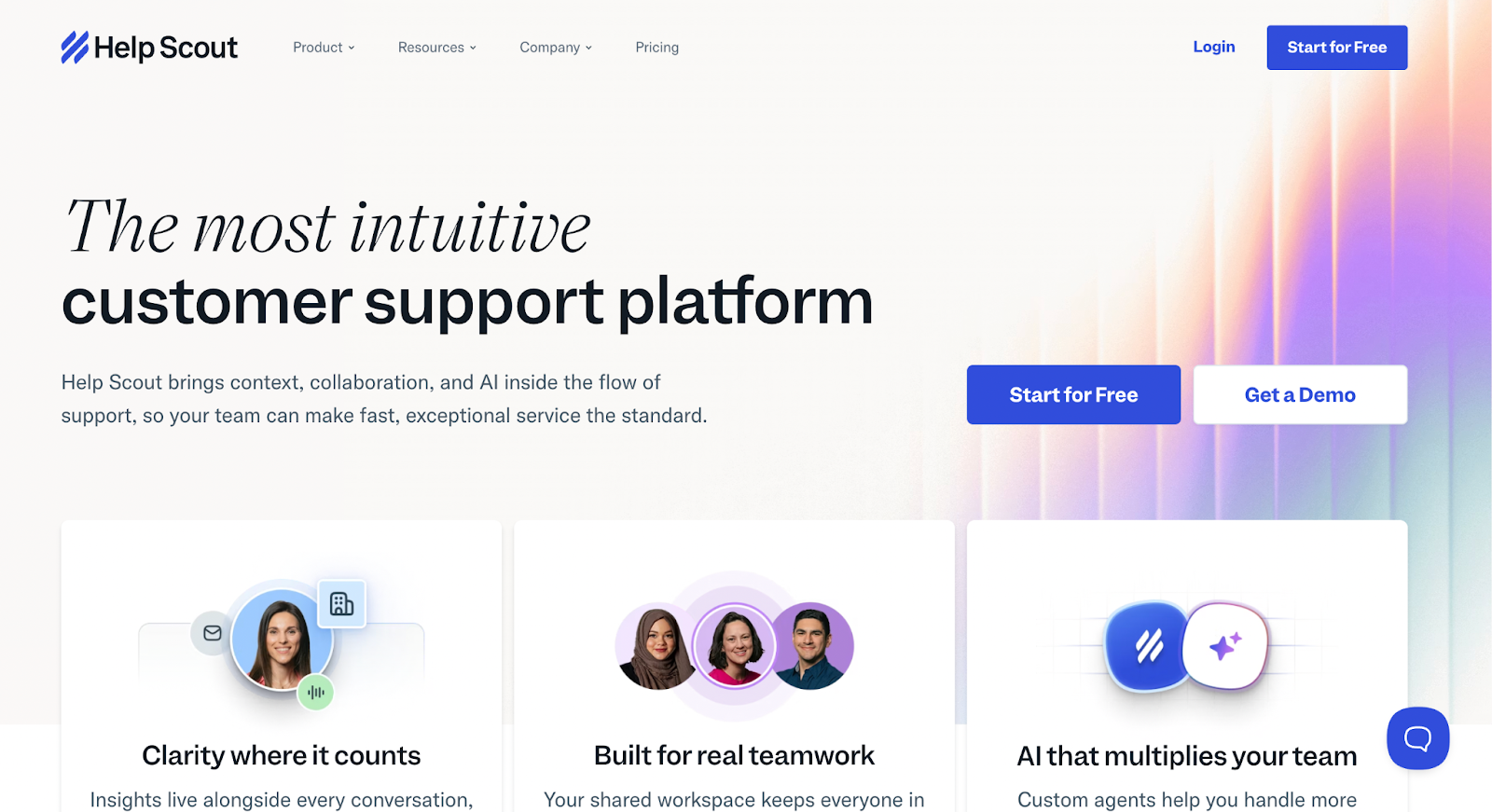
Help Scout is a shared inbox and knowledge base platform for SMB support teams, with AI layered on through AI Assist, AI Summarize, AI Drafts, and an AI Answers chatbot embedded in the customer-facing Beacon widget.
It is primarily used by email-heavy support teams at small businesses that want a simple, familiar inbox model with AI productivity tools added without switching to a more complex platform or managing a ticketing system.
Teams switching from Intercom to Help Scout typically do so when they need a simpler, more affordable inbox-based tool without Intercom's in-app messaging, product tours, or per-resolution billing model.
Key Features
- AI Answers chatbot embedded in Beacon, drawing from Docs and public help content to resolve common questions
- AI Assist and AI Summarize for refining tone and summarizing long email threads inside the agent workspace
- AI Drafts that pre-write replies based on historical conversations and help content
- Shared inbox with full conversation history and team collaboration tools
- Knowledge base management with customer self-service portal
Why Choose Help Scout Over Intercom?
- Simpler, inbox-focused experience without Intercom's broader CRM and marketing suite complexity — better suited for teams that primarily handle email support
- No per-resolution AI billing — Help Scout's AI tools are packaged within plan pricing rather than charged per successful automated response
- More accessible pricing for small teams that do not need the full scope of Intercom's platform
Pros
- Familiar email-style interface that most agents adopt quickly with minimal training
- AI tools reduce handle time and surface common answers without changing core inbox workflows
- Simpler to manage than Intercom for teams without dedicated CX ops or technical resources
Cons
- Primarily an assistive layer — does not resolve ticket volume as dramatically as AI-native platforms with end-to-end automation
- Does not natively support WhatsApp or voice channels, limiting multi-channel coverage for some teams
- Less suitable for teams that need deep workflow automation or performance analytics at scale
Customer Review
Paraphrased from Capterra: A user noted that Help Scout's AI tools meaningfully improved agent speed on email, and that the familiar inbox experience made adoption across the team straightforward from day one.
Pricing
Plans start at approximately $20 per user per month on annual billing. AI features are included across paid plans. Review Help Scout's website for current tier details and feature availability.
HubSpot Service Hub
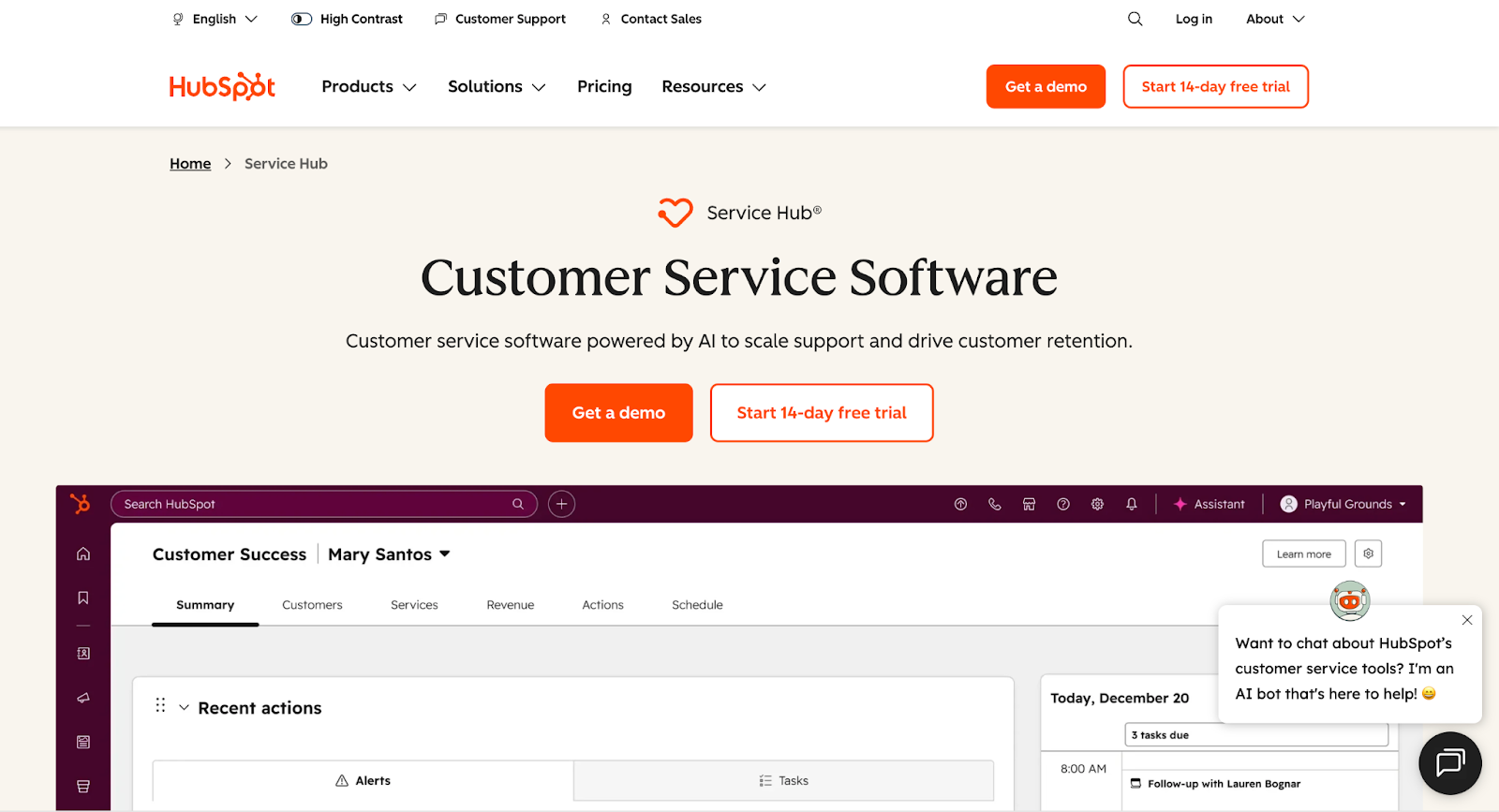
HubSpot Service Hub is a customer service platform integrated directly into the HubSpot CRM, with the Breeze Customer Agent handling autonomous ticket resolution and predictive feedback analysis available for proactive customer outreach.
It is primarily used by teams already running HubSpot for marketing or sales who want to extend that investment into support and manage the full customer journey — from acquisition to retention — in a single system.
Teams switching from Intercom to HubSpot Service Hub typically do so when they want shared customer data across marketing, sales, and support in one platform, and do not want to maintain separate tools for each function.
Key Features
- Breeze Customer Agent that autonomously resolves repetitive support tickets using CRM context
- Intelligent routing, conditional SLAs, and customer journey analytics
- Predictive feedback analysis for identifying at-risk customers before they churn
- Shared customer records across marketing, sales, and service teams in one CRM
- Free tier available with basic ticketing and inbox features
Why Choose HubSpot Service Hub Over Intercom?
- Unified CRM across the full customer journey — Intercom is primarily support and messaging focused, while HubSpot connects support with marketing and sales data natively
- More predictable base pricing at lower tiers — free and Starter plans available without per-resolution AI fees
- Better fit for teams that want a single platform managing customer context across departments rather than a standalone support tool
Pros
- Tight CRM integration with shared customer records across marketing, sales, and service
- Free tier available for small teams getting started without a subscription commitment
- AI-powered agent reduces time spent on repetitive ticket handling for teams already on HubSpot
Cons
- Full AI automation, advanced reporting, and voice capabilities require Professional or Enterprise tiers plus additional onboarding fees
- More complex and expensive than standalone helpdesks for teams not already using HubSpot
- AI is an enhancement layer rather than natively built into the platform architecture from the ground up
Customer Review
Paraphrased from G2: A user already on HubSpot CRM noted that adding Service Hub eliminated the need for a separate support tool entirely, with shared customer context across the platform making agent responses more personalized from day one.
Pricing
Free tier available. Starter plans start around $15 per agent per month. Professional is approximately $90 per agent per month. Enterprise is around $150 per agent per month on annual billing, with additional onboarding fees at higher tiers.
Factors to Consider When Choosing an Intercom Alternative
AI Architecture — Native vs. Add-On
Platforms that treat AI as an add-on typically gate automation behind higher plan tiers or charge per-resolution fees that compound at scale.
Look for platforms where AI participates in triage, resolution, agent assistance, and analytics as part of the core product not as an optional extra you configure and pay for separately. Our breakdown of the best AI help desk software evaluates this exact distinction across vendors.
Pricing Predictability
Intercom's per-resolution Fin AI billing makes monthly costs difficult to forecast as ticket volume grows. When evaluating alternatives, assess how pricing scales:
- Per-seat only
- Per-seat plus usage-based AI fees
- Hybrid models combining seats with credits
Teams that need predictable budgets should prioritize platforms where AI costs are included or clearly bounded from the start. Our guide to AI customer service tools breaks down which platforms bundle AI versus charge per use.
Multi-Channel Coverage
Email and chat coverage is standard. WhatsApp, Instagram, and social DMs are increasingly primary channels particularly for D2C brands in the UAE, Africa, and other markets where messaging apps dominate.
Verify that the platform unifies all your active channels in one workspace with full context preserved, rather than treating some channels as add-ons with separate inboxes.
Escalation Design
A poorly designed escalation where context is lost, the AI continues interrupting after a human takes over, or the handoff is confusing to the customer damages trust more than having no AI at all.
Evaluate how each platform handles escalation before committing. Look for full context preservation, clean handoffs, and clear controls for agents to take over.
Team Size and Support Maturity
Not every platform suits every stage of team growth. Consider:
- Very small teams may benefit from simpler, lower-cost tools like Tidio or Help Scout
- Teams outgrowing manual queues with 1,000+ monthly tickets benefit most from AI-native platforms
- Enterprise teams with complex SLA requirements and large agent headcounts may need Zendesk's depth
Match the platform to where your team is today and where it will realistically be in twelve months.
Why is QuantumDesk a Strong Alternative to Intercom?
QuantumDesk is built for D2C brands and B2B SaaS companies with in-house support teams that have outgrown manual queues and want AI to work across their entire support operation, not just in one feature layer charged at an extra cost.
Core strengths:
- AI-native architecture — AI embedded from the ground up, not added as a feature layer on top of traditional ticketing
- Quantum AI for customers — automatically resolves repetitive L1 queries, escalates to agents with full conversation context preserved
- AI copilot for agents — drafted responses, conversation summaries, intent identification, and next action suggestions in real time
- Unified multi-channel inbox — email, chat, WhatsApp, and social managed in one workspace with full conversation history
- Admin performance visibility — real-time insights on AI resolution rates, escalation patterns, satisfaction trends, and ticket volume distribution
The core difference from Intercom is architectural. AI is built into QuantumDesk's platform, not billed per resolution. At scale, that changes what predictable support budgeting actually looks like. AI is included in the platform, not billed per resolution, which makes support capacity scaling genuinely achievable without unpredictable monthly bills.
QuantumDesk is the right fit for D2C and B2B SaaS support teams handling multi-channel volume who want a modern AI-native platform without the per-resolution pricing model that makes Intercom difficult to scale affordably.
Ready to see QuantumDesk in action?
Visit quantumdesk.ai to book a demo and see how AI-native support works without add-on fees.
Frequently Asked Questions About Intercom Alternatives
What are the top Intercom alternatives?
Some of the most commonly considered Intercom alternatives in 2026 include QuantumDesk, Zendesk, Freshdesk, Zoho Desk, Tidio, Help Scout, and HubSpot Service Hub. The right choice depends on your team size, ticket volume, channels you support, and how deeply you want AI integrated into your workflow. For many D2C brands and B2B SaaS teams, QuantumDesk stands out because it includes AI as part of the platform instead of charging per resolution like Intercom’s Fin AI.
Is Intercom suitable for large-scale use?
Intercom can work well for large-scale, product-led SaaS teams that have the resources to manage and optimize its workflows, but costs can become harder to predict as usage grows. The $0.99 per Fin AI resolution fee adds up quickly at higher volumes, making budgeting less straightforward. Teams handling large ticket volumes especially across channels like WhatsApp often prefer platforms with more predictable pricing and built-in AI capabilities.
How does QuantumDesk compare to Intercom?
The main difference comes down to how AI is priced and embedded. Intercom charges per resolution on top of seat fees, which means costs increase as automation scales, while QuantumDesk includes AI across the platform triage, resolution, agent assistance, and analytics without additional per-resolution charges. It also fits D2C and B2B SaaS teams that rely on WhatsApp and social channels, which Intercom handles at higher cost or through separate licensing.
What is the best free alternative to Intercom?
Tidio and HubSpot Service Hub both offer free plans that cover basic chat and ticketing, while Freshdesk provides a free tier for small teams with up to two agents. If you’re looking for AI at the free level, Tidio’s Lyro AI includes a limited number of automated interactions each month. That said, most teams hit free plan limits sooner than expected as customer volume grows, so it’s worth considering how easily you can scale when choosing a tool.




.avif)