Summarize with AI
Key Takeaways
- Personalizing customer interactions using behavior and preference data creates relevant, timely experiences that drive loyalty.
- Rewarding customer participation through loyalty programs and gamification encourages repeat engagement and stronger long-term brand commitment.
- Building communities gives customers a shared space to connect with each other and deepen their brand relationships.
- Actively collecting and acting on customer feedback builds trust and strengthens ongoing engagement over time.
- Analyzing customer data across channels helps businesses optimize engagement strategies and continuously improve retention outcomes.
Customer engagement is about creating meaningful interactions that keep customers connected.
D2C brands depend on engagement to convert first-time buyers into repeat customers. B2B SaaS companies use it to reduce churn and strengthen long-term accounts, while scaling SMBs rely on it to retain customers as they grow.
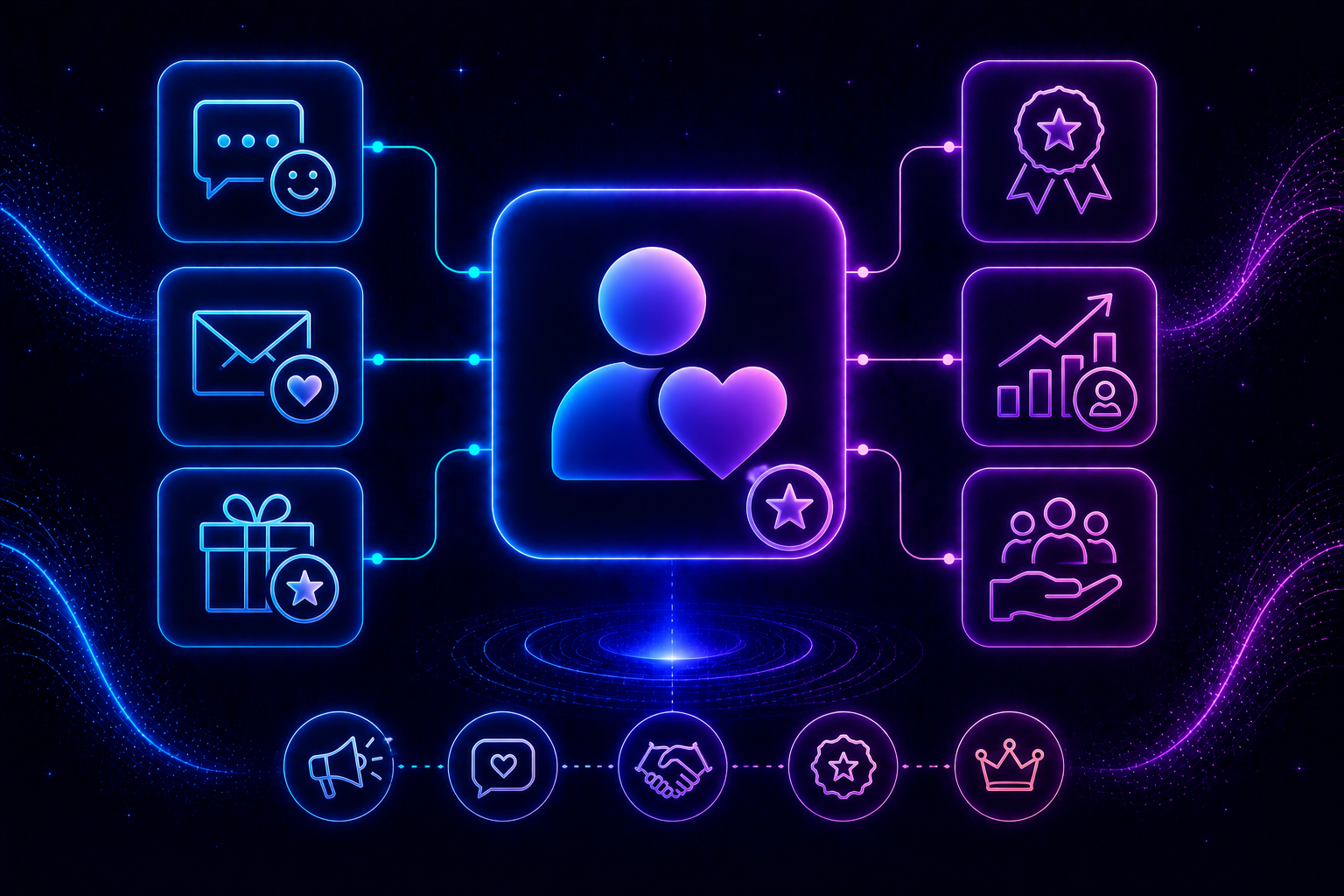
A customer receives personalized recommendations, earns loyalty rewards, joins a community discussion, and shares feedback. Each interaction strengthens engagement and trust.
Post-purchase support quality, recommendation relevance, and issue resolution speed determine whether customers stay loyal or quietly disengage. These moments shape engagement and long-term retention more than any single campaign.
What drives meaningful customer engagement:
- Engagement grows when customers feel recognized and valued.
- Personalization helps customers discover relevant products and experiences.
- Loyalty programs encourage repeat interactions and purchases.
- Customer feedback reveals opportunities to improve experiences.
You will learn how to improve customer engagement through personalization, loyalty programs, community building, customer feedback, and data-driven engagement strategies.
What Is Customer Engagement?
Customer engagement refers to the ongoing interactions customers have with a brand across channels, touchpoints, and experiences throughout their journey.
Unlike a single purchase, customer engagement focuses on building continuous relationships through meaningful interactions. When customers consistently find value in those interactions, they are more likely to trust the brand, remain connected, and continue engaging over time.
- Measures how actively customers interact with a brand.
- Extends beyond purchases to ongoing relationship-building.
- Occurs across support, marketing, sales, and community channels.
- Strong engagement often leads to higher loyalty and retention.
Why Customer Engagement Is Important for Businesses
Customer engagement plays a critical role in business growth because engaged customers are more likely to remain loyal, spend more, and advocate for the brand. Strong engagement creates lasting relationships that support long-term success.
1. Improves Customer Retention
Customers who regularly interact with a brand are less likely to switch to competitors. Consistent engagement helps maintain relationships and encourages customers to continue purchasing over time.
For growing D2C brands, customer support and repeat purchases are directly connected, making every interaction an opportunity to strengthen retention before the next purchase decision.
2. Increases Customer Lifetime Value
Engaged customers often make repeat purchases and explore additional products or services. This increases the overall value each customer brings to the business throughout their relationship, making engagement one of the strongest and most cost-efficient levers for long-term revenue growth.
3. Encourages Advocacy and Referrals
Satisfied and engaged customers are more likely to recommend a brand to friends, family, and colleagues. Positive word-of-mouth can significantly influence purchasing decisions and bring in new customers without increasing acquisition spend or relying solely on paid channels.
4. Strengthens Customer Satisfaction
Regular communication, personalized experiences, and responsive support help customers feel valued. This contributes to higher CSAT scores and stronger emotional connections with the brand, which are harder for competitors to undercut than pricing advantages alone.
5. Reduces Customer Acquisition Costs
Retaining existing customers is often more cost-effective than acquiring new ones. Strong engagement helps businesses maximize the value of their current customer base rather than depending solely on new acquisition budgets to sustain revenue growth.
Organizations that prioritize customer engagement create stronger relationships that improve retention, loyalty, and sustainable business growth.
7 Proven Strategies to Improve Customer Engagement and Build Loyalty
Improving customer engagement requires more than occasional communication. Businesses need a consistent strategy that creates value across the customer journey while encouraging customers to interact, participate, and build stronger relationships with the brand.
1. Personalize Every Customer Interaction
Personalization drives engagement by making every interaction feel relevant rather than generic. Businesses use browsing behavior, purchase history, and previous interactions to deliver timely, targeted content.
- Use browsing behavior and purchase history to recommend relevant products automatically.
- Send behavior-based triggers like abandoned cart reminders and back-in-stock alerts.
- Extend personalization across email, chat, SMS, and social channels consistently.
- Meeting modern customer service expectations means using real data to anticipate customer needs.
- Timely, relevant interactions increase trust and encourage repeat engagement with the brand.
The more relevant and timely interactions feel, the more likely customers are to trust the brand and stay engaged.
2. Create Rewarding Loyalty Programs
Customers engage more when they receive meaningful rewards for purchases and participation. A strong loyalty program turns one-time buyers into repeat customers through consistent, recognized value.
- Offer points, discounts, early access, or VIP benefits for repeat purchases and activity.
- Reward referrals, reviews, and community participation, not just transaction volume.
- For e-commerce customer service teams, loyalty interactions create natural touchpoints between purchases.
- Recognize long-term loyalty with exclusive perks that make customers feel genuinely valued.
- Customers who feel appreciated through rewards are less likely to switch to competitors.
When customers consistently receive value from a loyalty program, they return more often, spend more, and stay loyal significantly longer.
3. Use Gamification to Encourage Participation
Gamification makes customer interactions more engaging by introducing elements of achievement, progress, and competition. These mechanics motivate customers to participate more frequently and keep returning consistently.
- Use badges, achievement levels, and progress tracking to motivate ongoing participation.
- Implement point systems that unlock tiered perks based on customer activity levels.
- Create time-sensitive challenges and referral incentives that bring customers back regularly.
- Apply gamification across loyalty programs, communities, mobile apps, and educational content.
- The sense of accomplishment from reaching a new level builds a positive brand association.
Making engagement enjoyable and consistently rewarding increases participation rates and builds stronger customer relationships that extend well beyond individual transactions.
4. Build a Customer Community
Customer communities create meaningful opportunities for customers to interact directly with the brand and with each other, building relationships that extend well beyond purely transactional exchanges.
- Build online forums and discussion groups where customers share experiences and ask questions.
- Actively participate in discussions, recognize contributors, and encourage peer-to-peer collaboration.
- Invite loyal customers to co-create case studies or share success stories publicly.
- User-generated content from communities carries more credibility than brand-produced marketing material.
- Strong communities transform passive buyers into active participants who advocate for the brand.
Communities create lasting engagement that goes far beyond what traditional marketing campaigns or individual support interactions can realistically sustain alone.
5. Encourage User-Generated Content and Social Engagement
User-generated content helps customers become active contributors rather than passive consumers, building credibility and engagement across the channels where future buyers already look for honest opinions.
- Encourage customers to share reviews, testimonials, and success stories across social platforms.
- Respond to comments, answer questions, and publicly acknowledge customer contributions consistently.
- Monitor social conversations in real time and address unvarnished feedback before it escalates.
- Co-created case studies and social posts carry more buyer trust than branded content alone.
- Active social engagement signals to the broader audience that the brand is genuinely listening.
These interactions generate authentic, trust-building content that influences potential customers without requiring additional advertising spend or any dedicated production resources.
6. Collect and Act on Customer Feedback
Customer feedback reveals valuable insights into expectations, challenges, and improvement opportunities. Businesses should gather it consistently across surveys, reviews, support interactions, and active social media conversations.
- Track customer satisfaction metrics consistently to identify friction points before they affect engagement at scale.
- Communicate product updates and process changes that result directly from customer suggestions.
- Close the feedback loop visibly by responding to every review and survey response.
- Make it easy for customers to leave reviews and flag issues in real time.
- Customers who see their feedback acted on are significantly more likely to stay engaged.
Demonstrating that customer voices shape real decisions builds trust, satisfaction, and long-term engagement that is difficult for competitors to replicate.
7. Measure and Optimize Engagement Using Customer Data
Successful engagement strategies depend on continuous measurement and optimization. Track customer service metrics to understand clearly where engagement is strongest and where it is currently declining.
- Monitor engagement rate, retention rate, repeat purchase rate, and customer lifetime value.
- Track Net Promoter Score and CSAT alongside behavioral data for a complete picture.
- Use AI Customer Service Tools to identify which interactions generate the strongest engagement signals.
- Identify which channels and campaigns drive the most consistent customer interaction and response.
- Data-driven optimization ensures engagement efforts stay aligned with evolving customer expectations over time.
Analyzing customer behavior regularly helps businesses allocate resources toward the engagement strategies that consistently produce the strongest measurable long-term outcomes.
Businesses that consistently apply these strategies create stronger customer relationships, improve loyalty, and increase long-term retention while delivering more value throughout the customer journey.
How QuantumDesk Helps Businesses Increase Customer Engagement
Delivering consistent customer engagement becomes challenging when conversations are spread across channels and teams lack a complete, unified view of every customer interaction and their history.
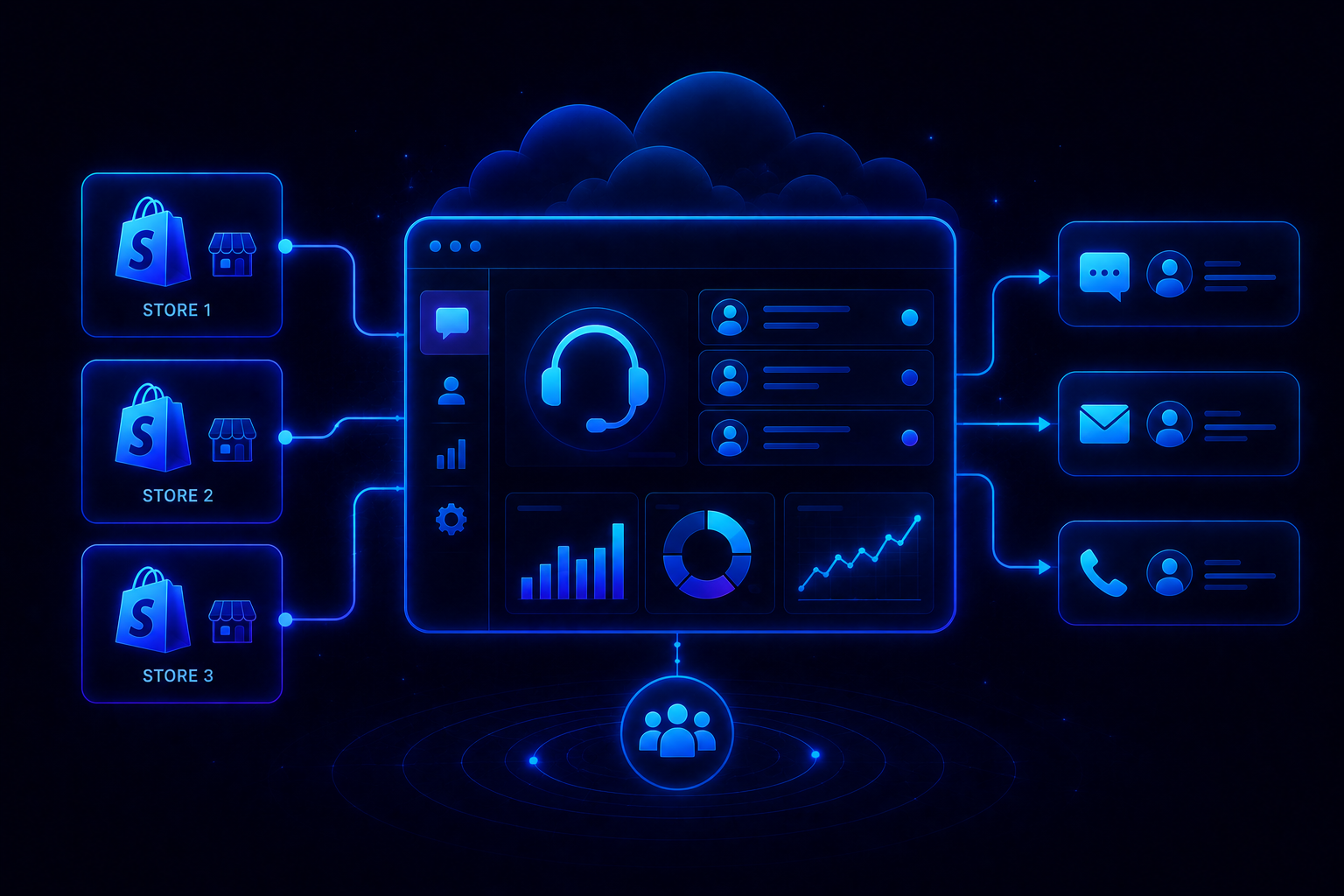
QuantumDesk brings customer conversations, support history, and communication context from every channel into one unified platform. Teams gain complete visibility into customer preferences, previous interactions, and account activity without switching between tools. The AI-native customer service benefits are measurable immediately.
Instead of managing customer engagement across disconnected tools, support and success teams deliver consistent, context-aware interactions from a single workspace.
Key features that support consistent customer engagement:
- Unified Inbox centralizes conversations from email, WhatsApp, live chat, and social media into one shared workspace.
- AI-Curated Inbox prioritizes conversations by urgency, sentiment, and intent so the most important interactions are handled first.
- Customer service automation within Quantum AI handles routine follow-ups and repetitive tasks, keeping interactions timely without increasing workload.
- Quantum AI Copilot provides agents with full customer history, preferences, and suggested responses to deliver more personalized engagement instantly.
- Admin Analytics tracks engagement trends, response times, and satisfaction data so teams can continuously refine their engagement strategies.
By combining omnichannel customer service capabilities with AI-powered automation, proactive follow-ups, and complete customer visibility, QuantumDesk helps businesses build stronger customer relationships, improve satisfaction scores, and create engagement experiences that consistently drive long-term loyalty and retention.
Frequently Asked Questions
What is customer engagement?
Customer engagement refers to the ongoing interactions customers have with a brand through communication, support, purchases, communities, and other touchpoints throughout their relationship.
Why is customer engagement important?
Customer engagement helps improve retention, customer satisfaction, loyalty, advocacy, and lifetime value by creating stronger relationships between customers and businesses across every stage of the journey.
How can businesses increase customer engagement?
Businesses can increase customer engagement through personalization, loyalty programs, gamification, customer communities, social interactions, responsive customer support, and continuous feedback collection across channels.
What metrics measure customer engagement?
Common metrics include engagement rate, customer retention rate, customer lifetime value, Net Promoter Score, customer satisfaction score, and repeat purchase rate tracked consistently over time.
How does customer feedback improve engagement?
Customer feedback helps businesses understand customer needs, identify improvement opportunities, and create better experiences that strengthen relationships, build trust, and sustain long-term engagement and loyalty.



.avif)