
Summarize with AI
Key Takeaways
- AI can reduce customer support costs by 15–40% within the first year.
- D2C brands can automate up to 80% of repetitive support queries using AI.
- WISMO and return requests are major drivers of rising support costs.
- AI-native support reduces ticket volume without increasing support headcount.
- Intelligent routing and AI copilots improve support efficiency and resolution speed.
Fast-growing D2C brands often see customer support costs increase faster than revenue during rapid order growth.
Support interactions cost ecommerce brands between $2 and $25 depending on the channel. Repetitive queries like delivery updates and exchange requests pile up fast, creating pressure across teams handling thousands of monthly conversations.
I ordered a hoodie during a weekend sale → tracking stopped updating → I contacted support twice → received the same generic response → canceled my next purchase.
Common patterns that drive support costs upward as D2C brands grow:
- Exchange requests increase sharply during seasonal campaigns.
- WISMO tickets overwhelm support queues during delivery delays.
- Multi-channel conversations create duplicated support work.
- Temporary hiring increases operational costs during sales spikes.
You will learn how AI-native customer service helps D2C brands reduce support costs, automate repetitive conversations, and scale operations more efficiently.
A Quick Comparison: Traditional Vs AI-Native Customer Support
Why Do Customer Support Costs Increase Quickly for D2C Brands?
Customer support costs rise fast because ticket volume grows alongside order volume. Every campaign, sale, or influencer post that drives new orders also drives new support conversations.
1. Repetitive queries increase operational costs
WISMO queries represent over one-third of total support volume for growing ecommerce brands.
During festive campaigns and flash sales, that percentage rises significantly.
- Order tracking requests arrive in bulk within hours of any delivery delay.
- Customers contact support across WhatsApp, email, and Instagram for the same issue.
- Agents manually answer identical questions, consuming time without adding business value.
Each repeated response costs between $5 and $22 when a human agent handles it. At 3,000 monthly tickets, that adds up fast. The multi-channel customer service problem amplifies this further.
2. Fragmented channels slow down resolution
Many D2C brands manage support conversations across Instagram, WhatsApp, live chat, and email separately.
- Agents switch between tools to verify order details before responding.
- Customers repeat the same information across multiple interactions.
- Context is lost when conversations move between channels without a shared view.
This fragmented workflow increases resolution time and drives per-ticket costs upward.
3. Seasonal growth creates staffing pressure
Flash sales and influencer campaigns can double incoming ticket volume within hours.
- Traditional teams hire temporary agents, increasing training and onboarding costs.
- Shift coverage costs rise without improving resolution speed.
- Response times slip when teams are stretched across high-volume periods.
Staffing costs rise proportionally with ticket volume instead of operational efficiency.
How Does AI Reduce Customer Support Costs for D2C Brands?
AI reduces customer support costs by automating repetitive conversations, assisting agents, and improving efficiency across every stage of the support workflow. This is where customer service automation moves from a nice-to-have to the operational foundation of a scalable D2C support operation.
1. Automating repetitive customer queries
AI agents instantly resolve conversations involving order tracking, exchange policies, refund timelines, and shipping updates.
Customers get immediate answers instead of waiting in overloaded queues:
- WISMO queries resolved automatically across WhatsApp, email, and live chat
- Exchange and return eligibility checked without agent involvement
- Refund timelines communicated instantly based on order data
For brands processing thousands of monthly orders, this directly reduces ticket volume and frees agents for complex cases.
Agentic AI for customer service goes further by taking direct action on behalf of customers, not just answering questions. It can initiate exchanges, pull tracking details, and update order records in real time.
2. Reducing seasonal hiring costs
AI scales instantly during demand spikes. No temporary agents. No onboarding delays. No overtime costs during flash sales.
- Peak-season ticket volume absorbed without additional headcount
- Consistent resolution quality maintained during sales spikes and quieter periods
- Staffing costs remain flat even as order volume doubles
This lets D2C brands scale support capacity without scaling the team.
3. Improving agent productivity with AI assistance
AI copilots surface order details, customer history, and suggested replies directly inside the support workflow.
Agents spend less time searching and more time resolving.
- Conversation summaries generated automatically before an agent picks up a ticket
- Suggested replies drafted based on customer intent and order context
- Previous interaction history surfaced across every channel in one view
A team previously overwhelmed by repetitive queries can handle significantly more volume once AI takes the routine load. For a closer look at how AI in customer service reshapes how work is structured across support teams, the shift goes beyond response speed.
4. Improving ticket routing and prioritization
AI-powered routing prioritizes urgent complaints using sentiment analysis and intent detection.
- Damaged delivery complaints flagged immediately and routed to senior agents
- Frustrated customers identified through tone and escalation patterns early
- Low-priority queries sorted separately so high-urgency issues surface first
This reduces escalations and prevents critical issues from sitting behind routine requests.
5. Expanding self-service customer support
AI-powered self-service lets customers track orders, check exchange policies, and verify return eligibility independently.
- No agent involvement needed for routine post-purchase queries
- Available across WhatsApp, chat, and web without switching between tools
- Customers resolve standard queries at any hour, including peak sale periods
This lowers ticket creation rates without reducing the quality of support available.
How Does AI-Native Customer Service Outperform Traditional Support Systems?
Most traditional support platforms were built for manual ticket management. AI was added later as a separate feature.
The result is disconnected automation where routing, assistance, and customer context operate independently instead of together.
1. AI-native support reduces operational friction
AI-native customer service platforms embed intelligence directly into conversation handling, routing, and agent assistance.
- AI participates from the moment a ticket enters the system
- Prioritization decisions made automatically before an agent opens the queue
- Routing logic improves over time as the system processes more interactions
For D2C brands, this creates faster support during high-volume periods where response speed directly affects customer retention.
2. AI and human agents work together
AI-native customer service does not remove human agents. It removes the repetitive work so agents can focus on what actually needs a person.
- Emotionally sensitive complaints handled by agents with full context available
- Damaged deliveries and cancellation conversations routed based on urgency and sentiment
- High-value customer interactions prioritized at the top of the queue
Knowing exactly what AI vs human customer support should each handle is where most D2C brands find the clearest path to both cost reduction and better customer experience.
This balance improves support productivity while maintaining consistent experience quality across the post-purchase journey.
3. Faster support protects revenue
Delayed responses create consequences beyond the support ticket itself.
- Customers file refund requests when responses take longer than expected
- Negative reviews go public before a resolution reaches the customer
- Repeat purchases drop when post-purchase support leaves customers waiting
Reducing support friction directly improves retention and repeat purchase rates for D2C brands.
How QuantumDesk Reduces D2C Customer Support Costs
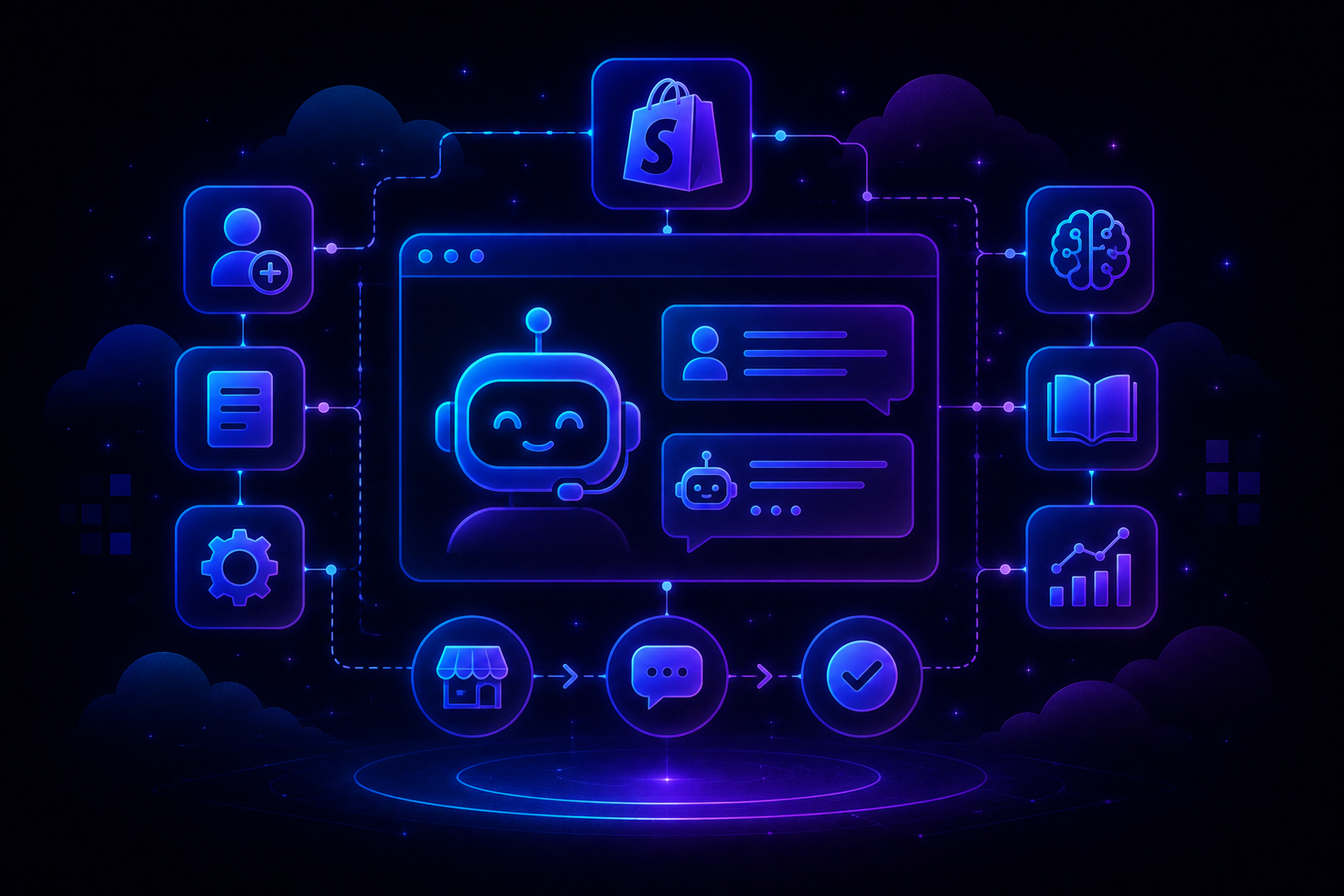
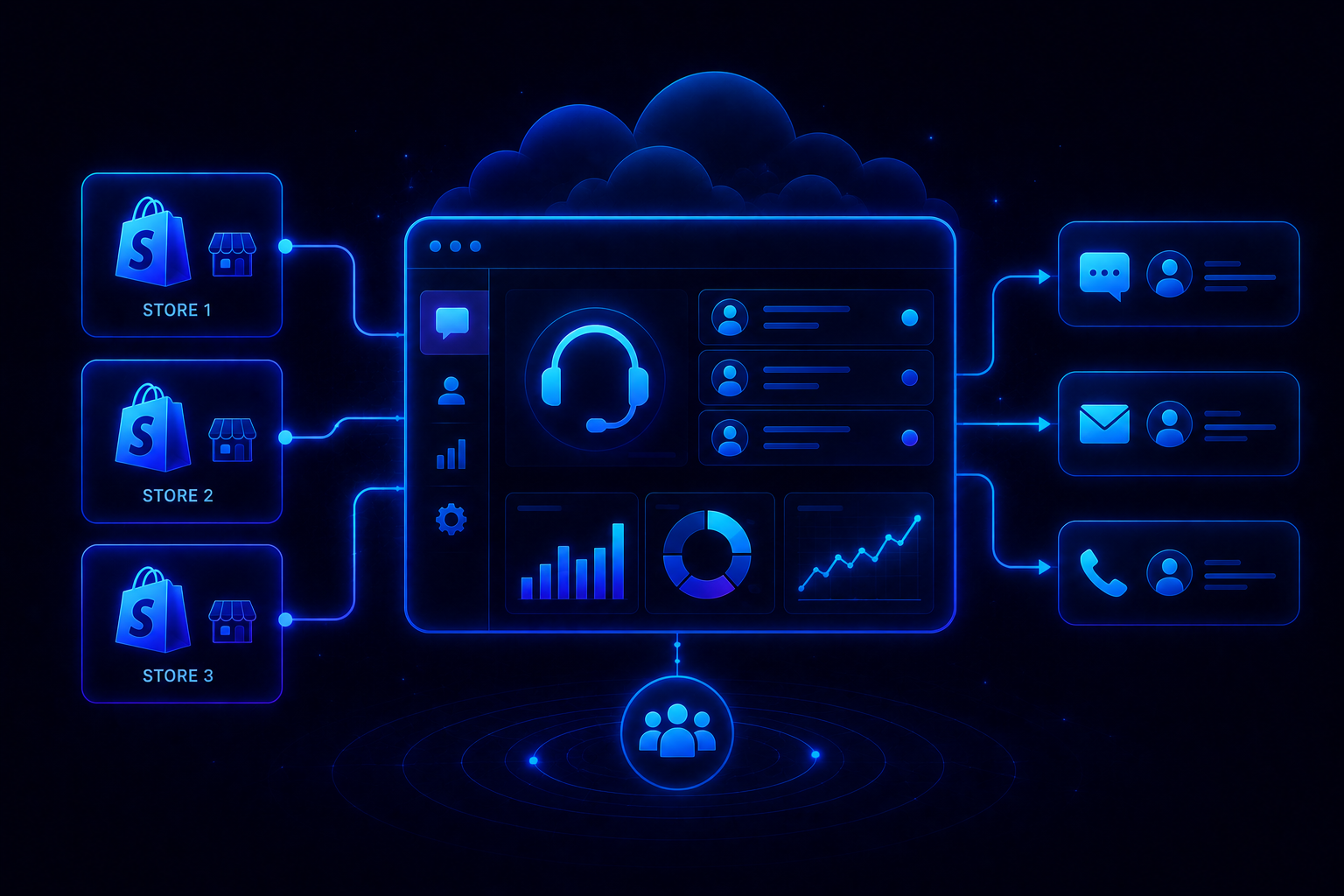
QuantumDesk is an AI-native customer service platform built for support teams managing high conversation volume across multiple channels. Instead of layering AI onto manual workflows, QuantumDesk embeds intelligence directly into prioritization, automation, and agent assistance.
For D2C brands handling delivery updates, exchange requests, and seasonal ticket spikes, this creates a more scalable operation without proportionally growing the team.
The best customer service software for ecommerce brands shows where AI-native and traditional platforms diverge most clearly. The gap is most visible during real operational pressure, not quiet months.
What Are QuantumDesk's Key Capabilities?
- AI-curated inbox prioritizes conversations using urgency, intent, and sentiment so critical complaints surface immediately instead of sitting behind routine inquiries.
- Unified workspace brings email, WhatsApp, chat, and social into a single view, removing the fragmented workflows that slow resolution and increase handling time.
- Quantum AI assists agents with reply suggestions, summaries, and next-action recommendations so resolution time drops without searching across disconnected systems.
Ready to see how it works? Book a demo to explore QuantumDesk for your team.
Frequently Asked Questions
How much can AI reduce customer support costs?
AI can reduce operational support costs by 15 to 40% in the first year. The biggest savings come from automating repetitive L1 conversations, which account for 60 to 80% of total ticket volume in most D2C operations.
A human agent handling a routine order tracking request costs $5 to $22 per interaction. An AI-resolved ticket costs $0.50 to $2.00. For a brand processing 3,000 monthly tickets where 60% are routine, automating 70% of those interactions reduces direct interaction costs by $6,000 to $12,000 per month before factoring in staffing or training savings.
Which support conversations should D2C brands automate first?
Start with order tracking requests. They account for 30 to 40% of all support tickets during normal periods and above 50% during flash sales.
These conversations are high-volume, low-complexity, and predictable, making them the most practical starting point for AI automation. After WISMO, move to return eligibility checks, exchange policies, and refund timelines. These four categories typically cover 60 to 80% of total D2C ticket volume. Automating them first delivers the fastest cost reduction with the least operational risk.
Does AI replace human support agents?
No. AI-native customer service is built to increase team capacity, not reduce it. AI handles repetitive L1 queries so agents focus on conversations that need judgment, empathy, and relationship management.
Emotionally sensitive complaints, damaged deliveries, and high-value customer retention conversations are where human agents operate most effectively. A D2C support team using AI does not shrink. It handles significantly more volume with the same headcount, while agents work on issues that actually need a person.
Why do support costs rise quickly during growth periods?
Every additional order a D2C brand ships creates a probability of a support contact. Industry data puts this at 20 to 30 support interactions for every 100 orders shipped.
As order volume grows through flash sales, influencer campaigns, and seasonal launches, ticket volume grows at the same rate. Traditional teams respond by hiring additional agents, which increases recruiting, onboarding, and training costs. These expenses scale with ticket volume unless AI breaks the ratio between order volume and headcount.
Why is AI-native support different from traditional automation tools?
Traditional platforms were built for manual ticket management and added AI later as an optional module. This creates disconnected automation where the AI operates separately from routing, agent assistance, and customer context.
AI-native platforms embed intelligence across the entire workflow, from the moment a ticket enters the system to the moment it is resolved. Routing decisions, agent suggestions, and performance analytics all draw from the same intelligence layer rather than functioning as isolated features.



.avif)