Summarize with AI
Key Takeaways
- Customer service focuses on customer relationships across the entire customer journey
- Customer support focuses on solving technical or product-related customer issues
- Customer support is reactive, while customer service is often proactive and relationship-driven
- Customer service teams need broad business knowledge, while support teams require deeper technical expertise
- Customer support works as a specialized subset within the broader customer service function
Customer service and customer support are often used interchangeably, even though they solve different customer and business needs.
Modern businesses are expected to deliver fast issue resolution, proactive communication, and personalized experiences across every customer interaction. As customer expectations increase, companies need clear distinctions between customer service responsibilities and customer support functions to improve operational efficiency and satisfaction.
While customer service focuses on building long-term relationships across the customer journey, customer support focuses more specifically on solving technical or product-related problems.
A D2C apparel brand handling returns and sizing complaints needs strong customer service, while a SaaS team troubleshooting API failures usually relies on deep customer support.
- Customer service supports customers before, during, and after purchases
- Customer support mainly handles technical or product-specific issues after purchase
- Service teams focus on customer relationships, while support teams focus on issue resolution
- Both functions work together to improve overall customer experience and retention
You will learn the differences between customer service and customer support, how each function operates, when businesses need both, and how AI-native platforms improve customer interactions across teams.
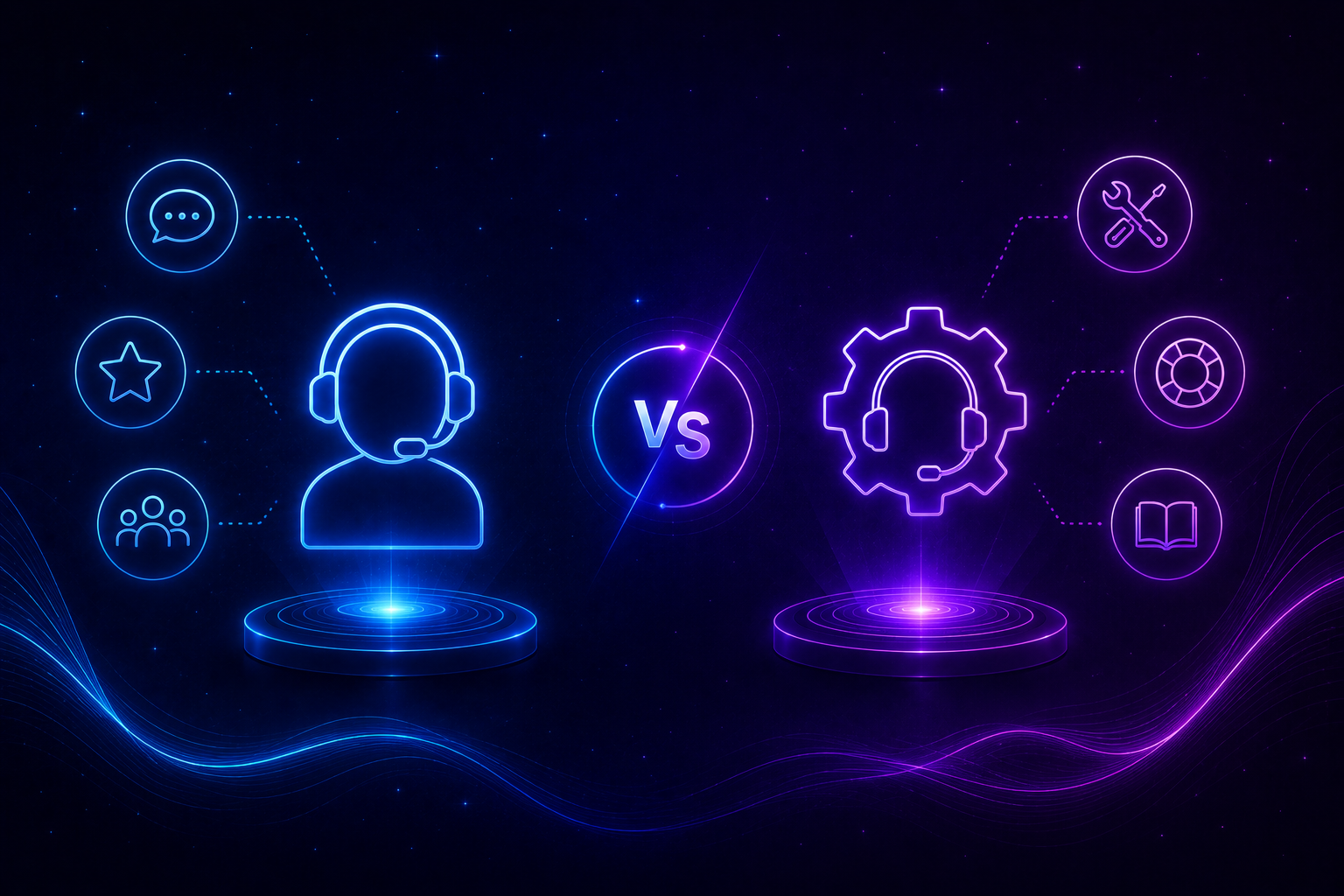
A Quick Comparison: Customer Service Vs Customer Support
What is Customer Service?
Customer service refers to the interactions businesses have with customers throughout the customer journey. It focuses on helping customers receive value from a product or service while improving satisfaction, trust, and long-term relationships across multiple touchpoints.
Customer service supports customers before, during, and after purchases. Activities include answering questions, managing billing concerns, handling returns, and proactively communicating updates or recommendations that improve the overall customer experience.
I ordered a birthday gift two weeks before the event. Shipping was delayed unexpectedly. The brand proactively messaged me through WhatsApp with updated delivery details and alternative options. I received the replacement before the celebration. I continued shopping from the brand confidently afterward.
Proactive customer service helps businesses reduce frustration, improve trust, and increase repeat purchases beyond individual transactions.
What do customer service teams handle day to day?
- Assisting customers during product discovery, purchase decisions, and onboarding across different communication channels
- Handling billing concerns, order updates, delivery questions, returns, and general account-related interactions
- Communicating proactively about delays, service updates, or policy changes before customer frustration builds
- Building loyalty through personalized interactions and consistent experience delivery
- Collecting customer feedback to improve operations, retention, and satisfaction continuously
Customer service focuses less on technical troubleshooting. It improves how customers experience the brand across every stage of their journey.
What is customer support?
Customer support focuses on helping customers solve specific problems with products or services after purchase. It usually involves troubleshooting, technical guidance, issue resolution, and helping customers use products without disruption.
Unlike customer service, customer support is generally reactive. Customers contact support teams when something stops working or requires technical expertise beyond standard assistance workflows.
I integrated a payment API into our SaaS platform. Transactions started failing unexpectedly. I contacted support through live chat. The support specialist reviewed logs, identified an authentication issue, and fixed the configuration quickly. Our checkout process resumed normally within the same session.
Fast and effective customer support reduces operational downtime and prevents customer churn. It helps businesses maintain confidence in their products.
What do customer support teams handle day to day?
- Troubleshooting technical issues related to products, integrations, software access, or system functionality
- Providing installation guidance, configuration assistance, and advanced product usage recommendations
- Managing technical escalations and collaborating with engineering or product teams for deeper investigation
- Maintaining knowledge bases, troubleshooting documentation, and technical resources for self-service
- Resolving urgent product-related problems quickly to reduce disruption and operational impact for customers
Customer support focuses heavily on issue resolution and technical expertise. It helps customers solve operational problems quickly after they experience product-related challenges.
What are the key differences between customer service and customer support?
Customer service and customer support both help customers, but their responsibilities, workflows, goals, and operational focus differ. Understanding these differences helps businesses structure teams properly and improve customer experience across every interaction.
1. Customer relationship vs problem resolution
Customer service focuses on improving relationships and overall customer experience. Customer support focuses specifically on resolving product-related or technical problems.
Service teams ask how to keep a customer loyal. Support teams ask how to fix a specific issue fast.
2. Proactive vs reactive communication
Customer service teams often reach customers proactively with updates, recommendations, or onboarding guidance. Customer support usually responds after customers report issues themselves.
This difference shapes how each team plans daily work.
3. Broad knowledge vs technical expertise
Customer service teams require broad operational knowledge about policies and workflows. Support teams need deeper technical understanding of products, integrations, and troubleshooting processes.
Training programs for each team look very different.
4. Entire journey vs post-purchase assistance
Customer service operates throughout the customer lifecycle. It covers first interaction to long-term retention.
Customer support typically becomes involved after purchase when customers require specialized operational help.
5. Loyalty metrics vs resolution metrics
Customer service measures satisfaction, loyalty, and retention outcomes. Customer support focuses more on response time, issue resolution, and escalation performance.
Customer support works as a specialized function within the broader customer service system. It helps businesses solve technical issues while maintaining positive customer relationships.
When do businesses need customer service and customer support?
Nearly every business requires customer service because all customers expect communication, assistance, and relationship management throughout their buying experience. Dedicated customer support teams become increasingly important when businesses offer complex products or technically intensive services.
1. Customer service in retail and D2C businesses
Retail and D2C brands rely heavily on customer service teams for order management, returns, billing support, and delivery communication. They also depend on loyalty programs and relationship-building interactions across multiple touchpoints.
Without in-store relationships, small business customer service quality often determines whether a buyer returns or leaves permanently.
2. Customer support in SaaS and technology companies
SaaS companies require dedicated support teams to troubleshoot integrations, configuration issues, account access problems, and API failures. These are technical workflows customers cannot resolve independently.
The accuracy of AI customer support matters in these environments. Incorrect guidance can cause further operational disruption.
3. How do customer service and support work together?
Modern businesses increasingly combine customer service and support workflows to create connected experiences. Relationship management and technical issue resolution work together without fragmented communication or disconnected escalation paths.
I contacted a fitness equipment brand because my treadmill stopped syncing with the mobile app. Customer service acknowledged the frustration immediately. The issue was escalated to technical support. The support specialist resolved the syncing issue remotely. Customer service later followed up to confirm the experience improved.
Businesses delivering strong customer experiences usually align service and support teams closely. They avoid treating them as completely separate operations.
Common mistakes businesses make with customer service and support
Many businesses confuse customer service and customer support responsibilities. This creates fragmented experiences, delayed issue resolution, and inconsistent communication.
Clear operational alignment is necessary so customers receive the right assistance at the right moment.
- Treating customer service and support as identical functions creates unclear ownership and inconsistent interaction experiences
- Routing technical problems to general service teams delays resolution and increases frustration
- Failing to share customer context between service and support forces customers to repeat issues
- Measuring all teams using identical metrics ignores the operational differences between relationship management and troubleshooting
- Over-focusing on response speed sometimes reduces personalization and experience quality during sensitive interactions
- Poor escalation workflows create disconnected experiences between customer-facing teams and technical specialists
- Ignoring proactive communication increases frustration during outages, delays, or product-related disruptions
The strongest customer experience strategies clearly define responsibilities. They make sure service and support teams collaborate closely across every interaction and escalation process.
Understanding how excessive customer conversations reduce support quality can help teams recognize when misalignment is actively hurting outcomes.
How do AI-native platforms improve customer service and customer support?
As customer conversations move across chat, email, WhatsApp, and social channels, businesses struggle to maintain context between service and support workflows. Fragmented systems often create repeated conversations, slower escalations, and inconsistent experiences.
I contacted a D2C electronics brand because my smart speaker stopped connecting after a firmware update. Customer service acknowledged the issue quickly. Technical support later asked me to repeat the same details across email. Frustration increased after switching between multiple disconnected channels.
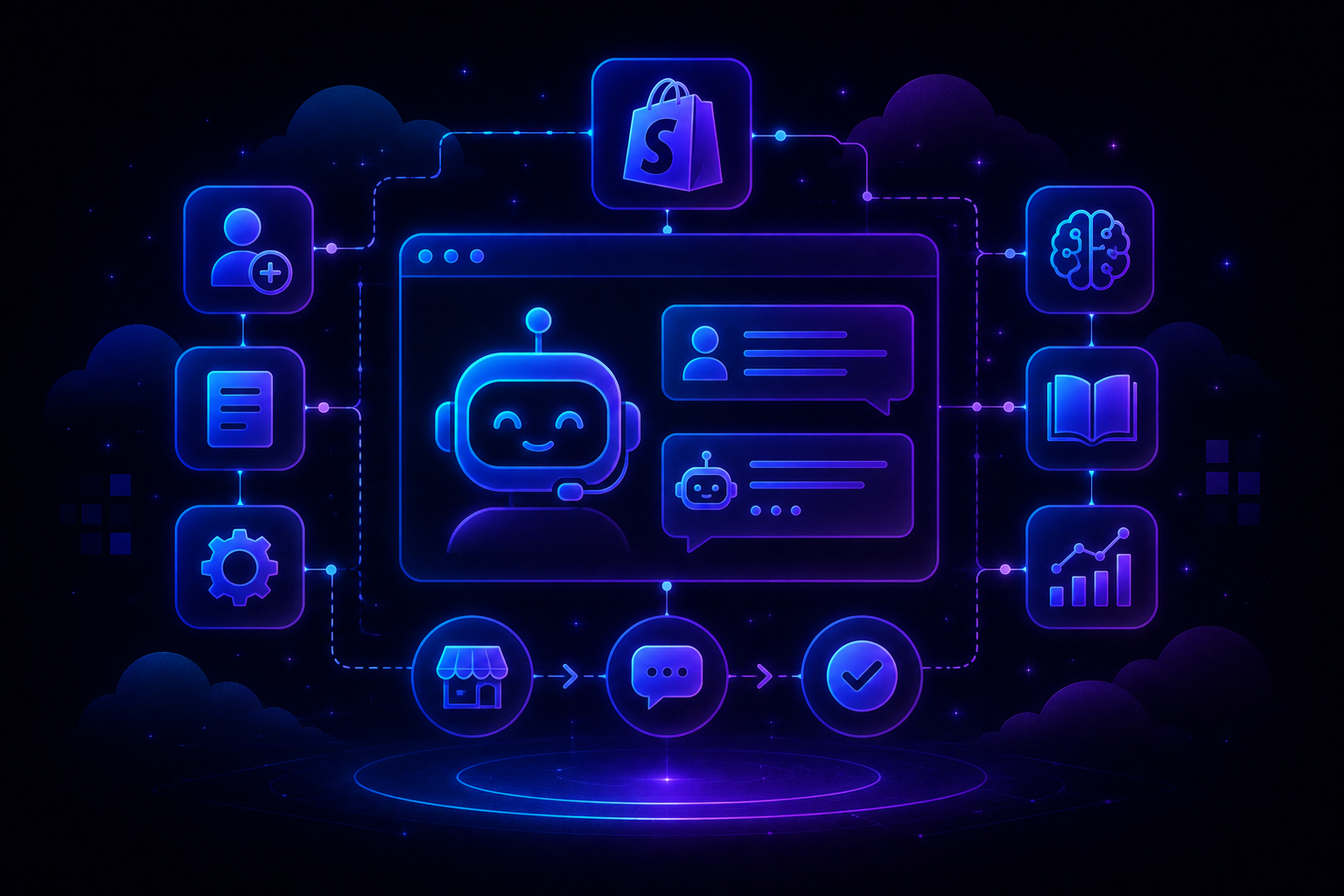
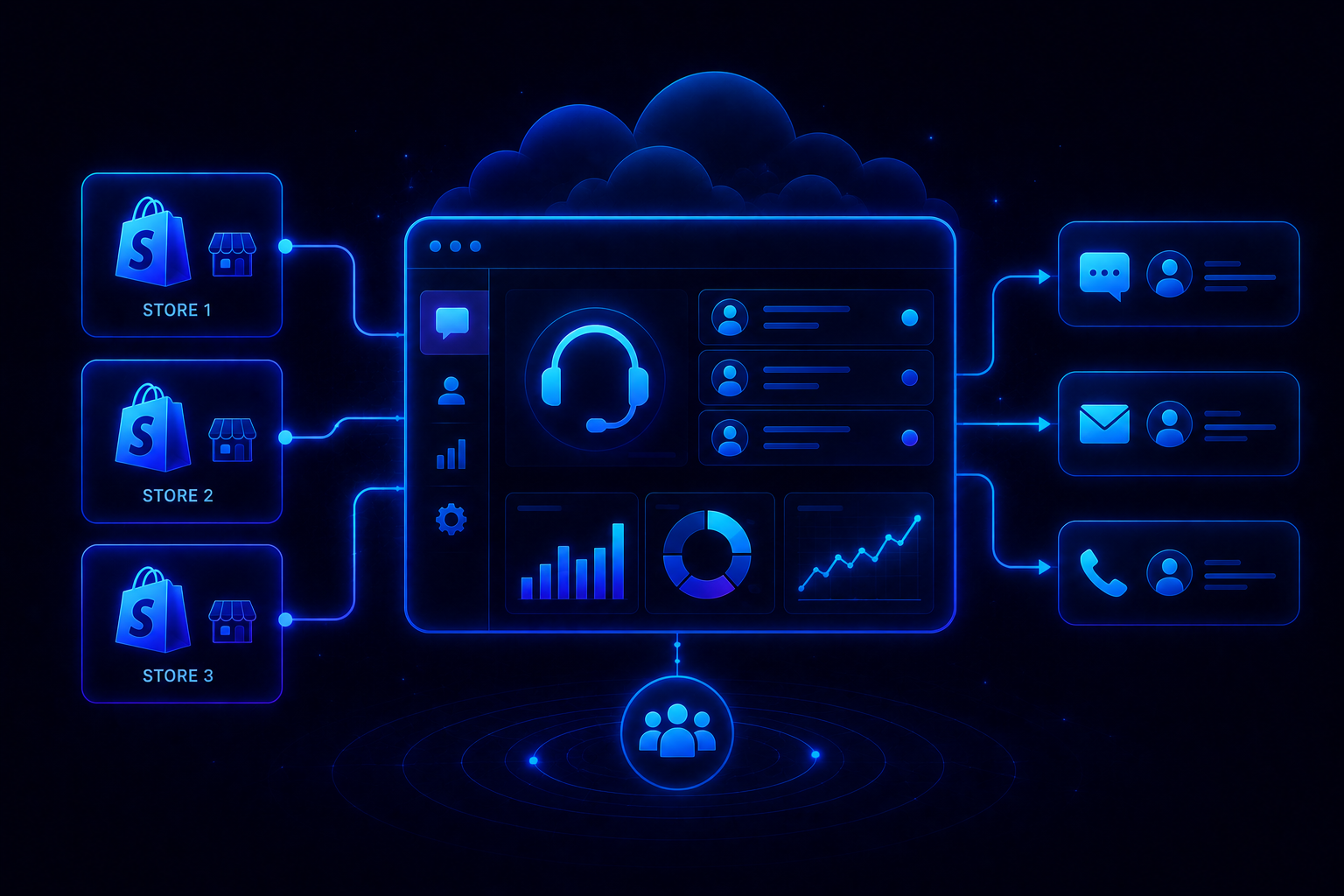
AI-native customer support platforms like QuantumDesk centralize conversations, preserve customer history, and improve coordination between service and support teams automatically. Instead of treating conversations separately, AI helps prioritize requests, surface context instantly, and guide agents toward faster and more consistent resolution workflows.
How does QuantumDesk improve customer interactions?
- Unified workspace centralizes conversations across email, WhatsApp, live chat, and social channels
- AI-curated inbox prioritizes customer issues using urgency, sentiment, and intent automatically
- Quantum AI assists agents with summaries, contextual replies, and intelligent escalation recommendations
- Shared conversation history reduces repetitive explanations between service and support teams
This AI in customer service approach helps businesses improve operational efficiency and reduce fragmented experiences. Teams deliver faster support while maintaining strong customer relationships across every communication channel.
Frequently asked questions
What is the main difference between customer service and customer support?
Customer service focuses on improving customer relationships and overall experience. Customer support focuses specifically on resolving technical, operational, or product-related issues after purchase.
Is customer support part of customer service?
Yes. Customer support is a specialized subset within the broader customer service function. It focuses primarily on troubleshooting and technical issue resolution.
Which industries need dedicated customer support teams?
Industries like SaaS, IT, electronics, manufacturing, and technical product businesses usually require dedicated support teams. Customers in these industries often need specialized troubleshooting or operational assistance.
What metrics do customer service teams track?
Customer service teams commonly track satisfaction, loyalty, retention, and repeat purchases. These metrics measure long-term relationship quality and customer engagement.
How do AI-native platforms improve customer service and support?
AI-native platforms centralize conversations, improve escalation workflows, and preserve customer context. They help service and support teams collaborate more efficiently across interactions and communication channels.




.avif)