Summarize with AI
Key Takeaways
- A customer success strategy is a proactive plan to help customers achieve their goals with your product or service.
- Proactive onboarding guides users through setup quickly to shorten time-to-value and reduce early churn.
- Health scoring tracks usage metrics to identify at-risk accounts and expansion opportunities before they become visible problems.
- Segmented engagement balances high-touch management for large accounts with automated tech-touch for smaller customer segments.
- Cross-functional alignment connects success, sales, product, and support teams around shared customer outcome metrics.
Winning a new customer is the starting point of the relationship, not the finish line.
For B2B SaaS companies, Shopify brands, SMB teams, and D2C businesses managing growing customer bases, the difference between customers who stay and customers who quietly leave is rarely about the product.
It comes down to whether your team is actively guiding them toward value, or waiting for them to figure it out alone.
I signed up for a SaaS analytics platform → completed the setup steps → never activated the core reporting feature I paid for → received no check-in for 60 days → got a renewal reminder → cancelled instead.
One missed engagement. One lost renewal. The product had everything the customer needed. The strategy to guide them toward value simply did not exist.
- Build onboarding processes that guide customers to their first outcome quickly
- Use health scoring to identify at-risk accounts before renewal conversations become recovery attempts
- Segment customers and match engagement models to account size and complexity
- Align success, sales, support, and product teams around shared customer outcome metrics
You will learn how to build a customer success strategy that scales, covering core pillars, step-by-step execution, the right metrics to track, and how to avoid the common mistakes that break most strategies as teams grow.
A Quick Comparison: Customer Success vs Related Functions
What Is a Customer Success Strategy?
A customer success strategy is a structured, proactive plan for helping customers reach their goals using your product or service.
Unlike reactive customer support, it anticipates where customers struggle and intervenes before friction turns into churn. The right customer success software helps teams execute this at scale, but the strategy itself must be clear before any tool can support it.
Why Customer Success Matters for Growing D2C and B2B Teams
- Customers who achieve early value are significantly more likely to renew, expand their account, and recommend your product.
- Proactive engagement reduces churn by identifying at-risk accounts early, before customers reach the decision point to cancel.
- Health scoring and usage tracking help teams prioritize the right accounts at the right time without guessing.
- Cross-functional alignment around customer outcomes removes the inconsistency that silently costs businesses renewals they never see coming.
- Scaling customer success thoughtfully lets SMB teams and growing D2C brands scale customer support with AI without proportionally expanding headcount.
What Are the Core Pillars of a Customer Success Strategy?
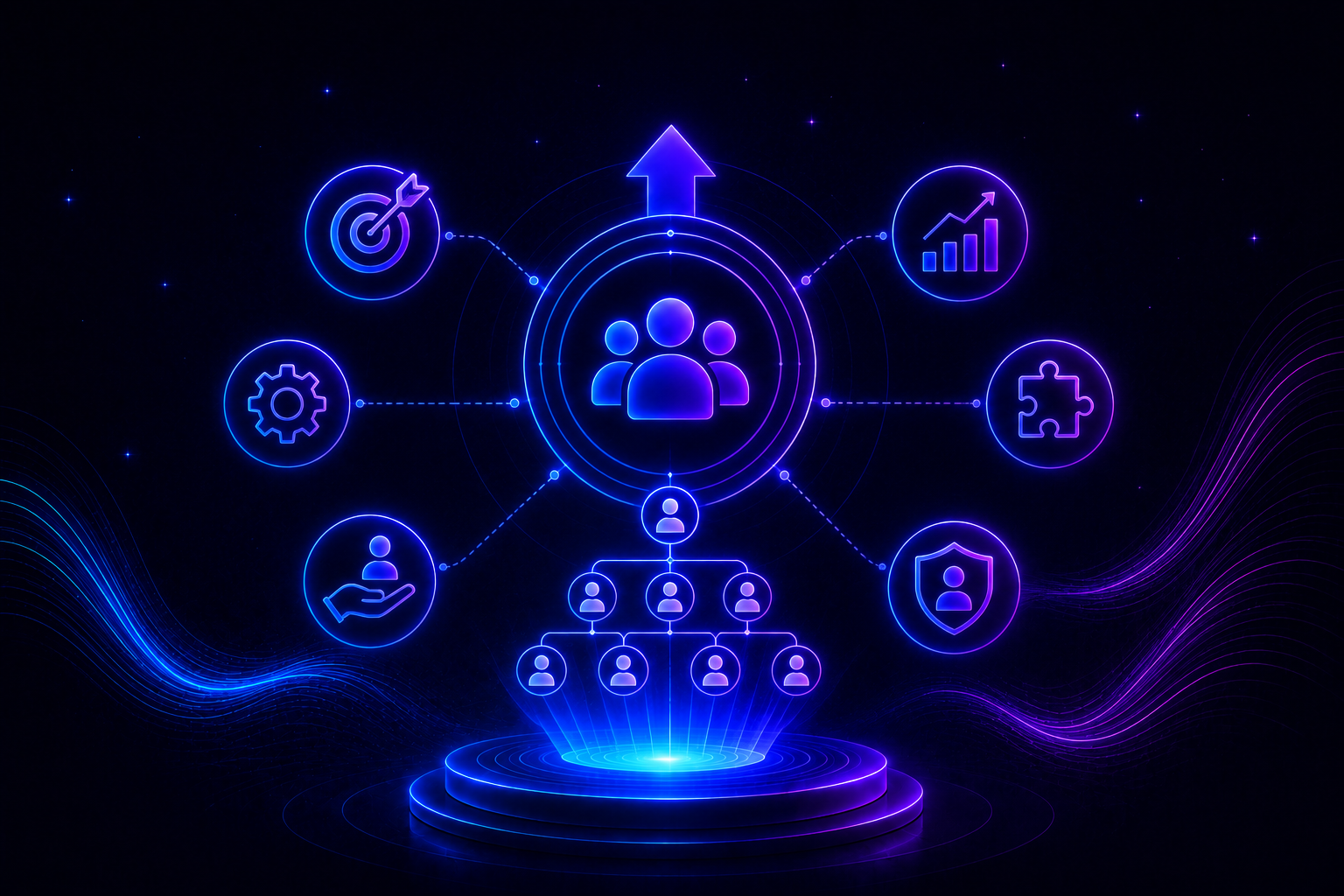
Every scalable customer success strategy is built on the same foundational elements. Execution varies by business size, product complexity, and customer segment, but the pillars remain consistent.
1. Proactive Onboarding
Most B2B SaaS churn happens in the first 90 days. Customers who never reach a meaningful outcome have no reason to renew.
I signed up for a project management tool → completed a generic product tour → could not finish the core workflow without help → raised a support ticket → waited 5 days for a response → cancelled before week two.
Proactive onboarding means guiding customers to their first result before frustration sets in. The faster a customer reaches their first meaningful outcome with your product, the less likely they are to abandon it during the critical early window.
2. Health Scoring
A health score combines usage frequency, feature adoption, support ticket volume, and engagement signals into a single view of account risk.
For a SaaS team managing 300 accounts, health scores remove guesswork from daily prioritization. CSMs focus on declining accounts rather than checking in based on intuition, and route expansion conversations toward accounts already trending in the right direction.
3. Segmented Engagement
Not every account needs the same level of attention. A high-value enterprise contract requires dedicated CSM management and frequent strategic touchpoints.
Segmented engagement matches the right model to the right account. High-touch for complex, high-value customers who require relationship-driven guidance. Tech-touch for smaller segments that benefit from automation but cannot justify the overhead of dedicated CSM time.
4. Cross-Functional Alignment
Customer success does not operate in isolation. Sales, product, and support all hold pieces of the customer experience that directly influence success outcomes.
Following b2b customer service best practices means these teams share data and work toward shared outcomes. When they work in silos, customers repeat themselves across every interaction and never feel like the company actually understands their situation.
How to Build a Customer Success Strategy Step by Step
Building a customer success strategy that scales requires a repeatable system connecting data, people, and processes across the full customer lifecycle.
Step 1: Define Success for Each Segment
Map what success looks like for different customer profiles before writing a single playbook. A B2B SaaS team's definition of success for an enterprise account looks different from a startup on a 30-day trial.
Clear success criteria give CSMs a measurable target for every engagement motion and a shared definition of done across the team.
Step 2: Map the Customer Journey
Identify the stages a customer moves through from onboarding to renewal. For most SaaS products, this includes: initial setup, first core feature activation, regular adoption, account expansion, and renewal.
At each stage, define the expected customer behavior, the signals that confirm they are on track, and the action required if they fall behind.
Step 3: Build Playbooks for Key Moments
A playbook documents the exact steps to take in a specific customer situation: onboarding, at-risk account recovery, expansion, and renewal.
For D2C brands managing post-purchase customer relationships, reviewing the best customer service software for D2C brands helps teams choose tools that execute these playbooks at scale.
A playbook might trigger a check-in after 30 days, flag accounts with no repeat purchase, and route high-value customers to a dedicated success contact.
Step 4: Automate Where Scale Demands It
Manual engagement does not scale past a certain account-to-CSM ratio. Customer service automation handles routine touchpoints such as check-in emails, milestone notifications, and renewal reminders, freeing CSMs for conversations that require human judgment.
The right AI help desk software makes this shift significantly easier. The question is not whether to automate, but knowing when automation creates efficiency and when it creates distance from the customer.
How to Measure Customer Success
Tracking the right customer success metrics is what separates teams that act early from teams that react after the damage is done.
Leading indicators allow teams to act while there is still time to change the outcome. Lagging indicators confirm whether the strategy is working at the revenue level.
For SMB teams with limited CS headcount, starting with three metrics: health score, net revenue retention, and renewal rate gives enough signal to prioritize work without creating reporting overhead that consumes more time than it saves.
Common Mistakes To Avoid When Scaling Customer Success
Most customer success strategies do not fail because the thinking is wrong. They fail because execution breaks down as the team and customer base grow.
1. Treating Every Account the Same
Running high-touch engagement across every account is not sustainable past a certain scale. CSMs burn out, quality drops, and accounts that need genuine attention receive the same generic treatment as accounts that would succeed on automation.
Segmentation is not optional at scale. It is the only way to maintain quality without proportionally growing the team.
2. Measuring Activity Instead of Outcomes
Sending 50 check-in emails a month is activity. Increasing health scores across 20 at-risk accounts is an outcome. These are not the same thing.
Activity metrics such as call volume and email sends feel productive but do not predict whether customers are actually achieving value. Teams serious about improving customer satisfaction track outcomes, not effort.
3. Waiting Until Renewal to Address Risk
Renewal is a lagging indicator of everything that happened across the previous contract period. Starting the commercial conversation 30 days before contract end is not a renewal strategy. It is a recovery attempt.
Proactive teams surface value, address risks, and build the renewal case months before the contract date. By the time the formal conversation happens, the customer has already decided.
How QuantumDesk Helps Teams Scale Customer Success
Customer success and customer support are separate functions, but one cannot succeed without the other. Great CSM relationships do not survive poor support experiences.
When customers wait days on a support ticket, repeat themselves across channels, or receive replies carrying no account context, the customer success strategy breaks down. This happens regardless of how strong the CSM relationship is or how thorough onboarding was.
Support friction is the fastest way to reverse customer success gains. Every unresolved ticket is a step closer to cancellation.
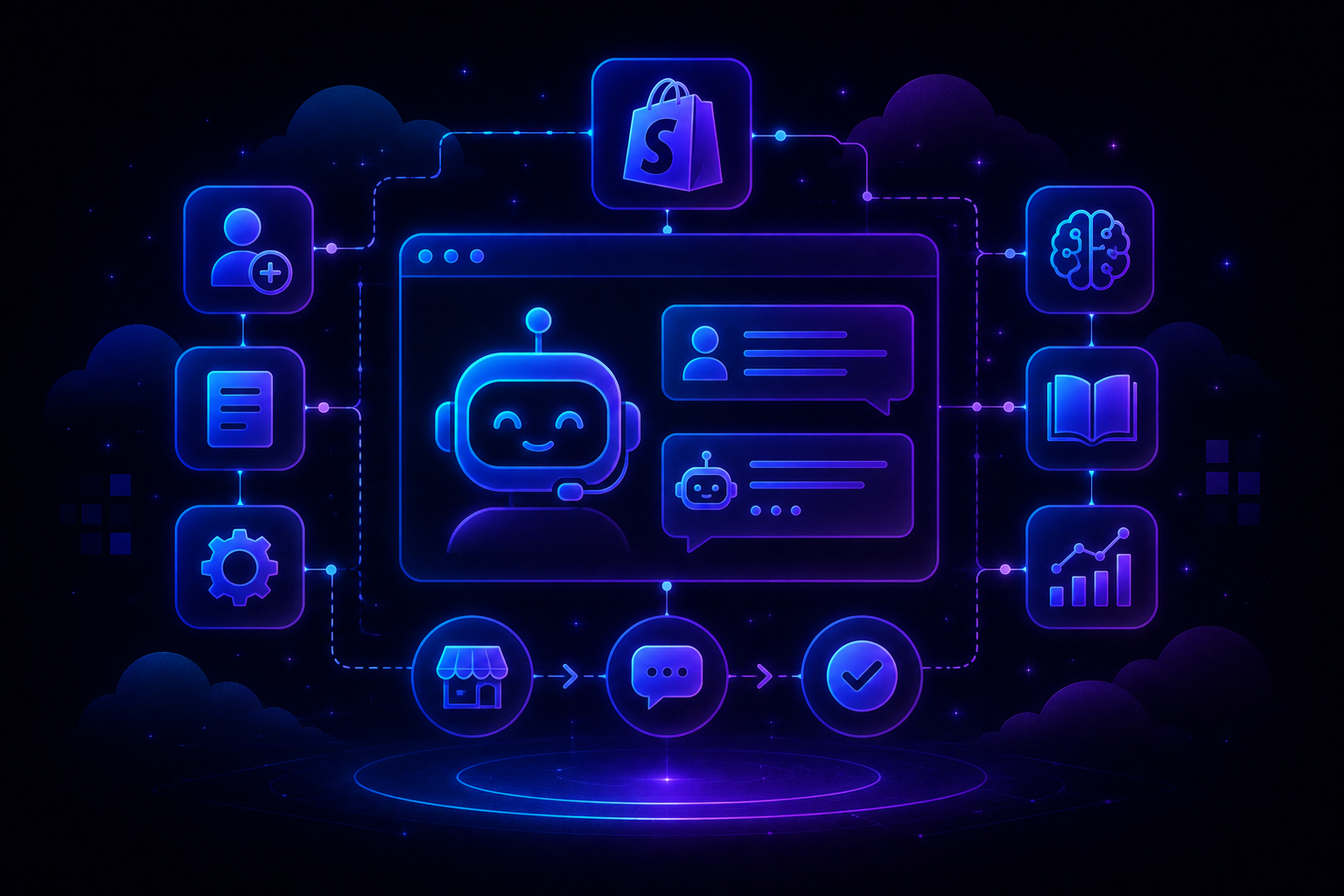
QuantumDesk is an AI-native customer support platform built to remove the friction disrupting customer success. For teams scaling SaaS customer support or managing high-volume D2C tickets, it delivers the speed and context every conversation needs.
Key QuantumDesk Features That Support Customer Success at Scale
- Quantum AI resolves repetitive support queries automatically, keeping agents focused on complex and high-value conversations
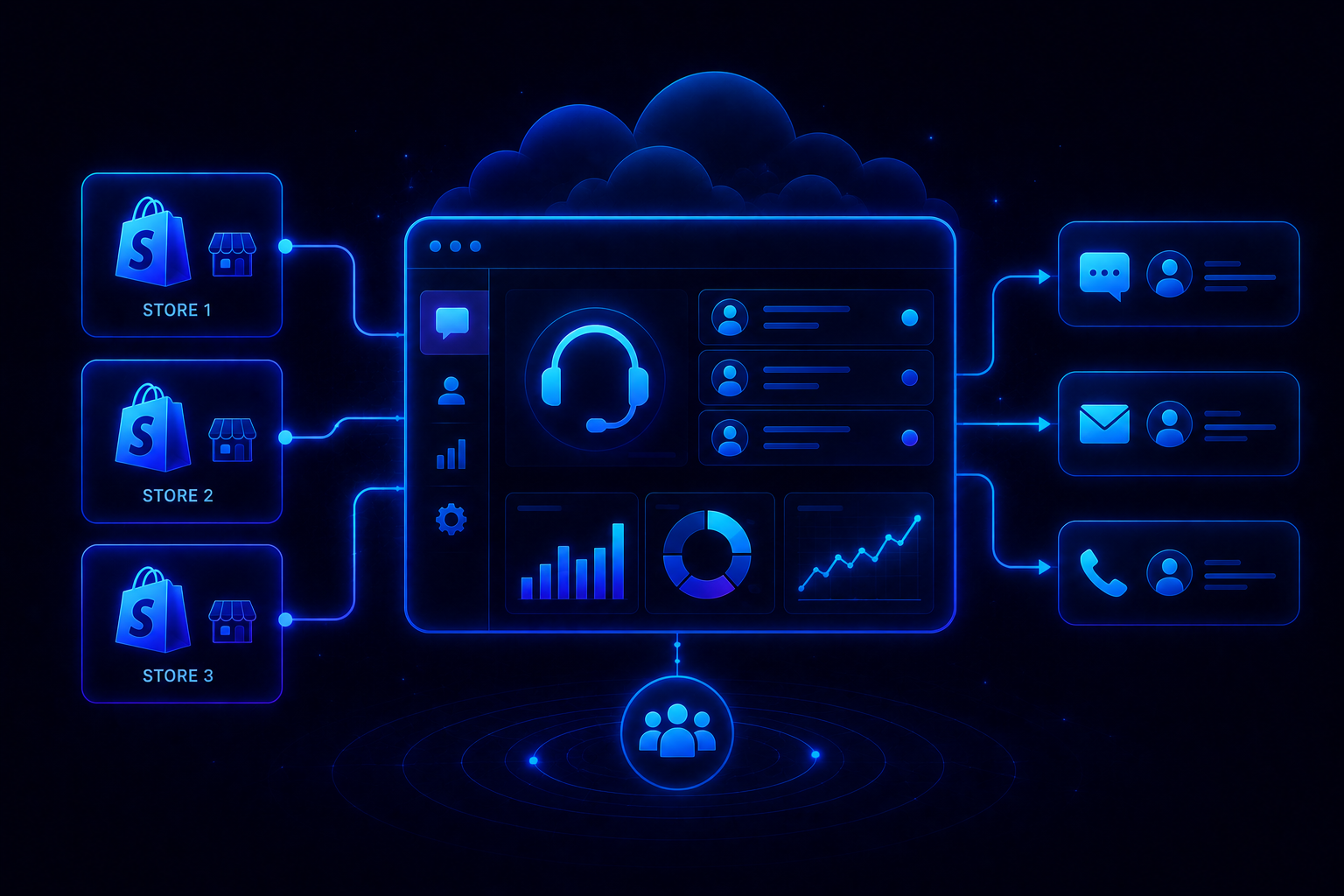
- Unified Inbox centralizes email, WhatsApp, chat, and social conversations with complete account context, enabling true omnichannel customer service across every channel
- AI-Curated Inbox prioritizes tickets by urgency, sentiment, and customer intent without manual triage
- Quantum AI Copilot assists agents with conversation summaries, suggested responses, and next-best actions during live interactions
- Native Shopify Integration surfaces order and customer data inside the support conversation for Shopify-based teams
- Admin Analytics provides visibility into resolution rates, escalation patterns, and CSAT trends that feed directly into success strategy decisions
A customer success strategy is only as strong as the support experience surrounding it. QuantumDesk ensures that support never becomes the reason a customer fails to reach their goals.
Ready to reduce support friction and strengthen your customer success outcomes? See how QuantumDesk works for your team → Book a Demo
Frequently Asked Questions
What is a customer success strategy?
A customer success strategy is a proactive plan for guiding customers toward their goals with your product, covering onboarding, health scoring, segmented engagement, and cross-functional alignment across the full customer lifecycle.
How is customer success different from customer support?
Customer support reacts to issues as they arise. Customer success proactively guides customers toward outcomes, monitors account health, and intervenes before problems affect retention or renewal decisions.
What metrics should a customer success team track?
Track leading indicators such as health score and feature adoption, and lagging indicators such as net revenue retention, renewal rate, and gross churn. SMB teams can start with just three core metrics.
When should customer success engagement be automated?
Automate routine touchpoints such as check-in emails, milestone notifications, and renewal reminders. Keep human involvement for renewal conversations, at-risk escalations, and any interaction requiring account-specific judgment.
How does customer support quality affect customer success outcomes?
Poor support quality directly blocks customers from reaching product value. Slow resolutions, repeated context loss, and fragmented channel experiences increase churn risk even when the CSM relationship is strong.




.avif)