
Summarize with AI
Key Takeaways
- Reduce customer effort by removing friction at every stage of the customer journey.
- Faster response and resolution times directly improve customer satisfaction and reduce churn risk.
- Customer feedback helps identify the gap between customer expectations and actual support experiences.
- Personalization and proactive support build stronger customer loyalty and encourage long-term repeat purchases.
- AI-native customer service platforms like QuantumDesk help support teams improve satisfaction at scale without expanding headcount.
Customer satisfaction has become one of the most important indicators of business growth, retention, and long-term customer loyalty across industries.
I ordered a skincare set as a wedding gift → it arrived damaged → messaged the brand on WhatsApp → received an automated acknowledgment → followed up by email → a different agent asked me to describe the issue again → waited three days → received a voucher instead of a replacement → disputed the charge with my bank → never purchased again.
One damaged product. Three support interactions. No resolution that matched the original ask. A lost customer who will not return.
Whether you run a D2C brand handling thousands of support requests or a SaaS company managing onboarding and billing questions, customer satisfaction directly impacts revenue.
What You Will Learn:
- Customers expect fast answers and effortless support across every channel.
- Personalized experiences help customers feel valued and understood.
- Customer feedback reveals opportunities to improve products and services.
- Strong customer service creates loyalty, retention, and positive referrals.
You will learn how to improve customer satisfaction through practical strategies that reduce friction, strengthen relationships, and create better customer experiences.
A Quick Comparison: High vs. Low Customer Satisfaction
Why Customer Satisfaction is Important for Business Growth
Customer satisfaction measures how well your products, services, and overall experience meet customer expectations. It reflects how customers feel after interacting with your brand and often determines whether they continue buying from you or look elsewhere.
1. Higher Customer Retention
Satisfied customers are more likely to stay loyal, renew subscriptions, and make repeat purchases. Retention often generates more long-term value than continuously acquiring new customers, making satisfaction a direct driver of sustainable business growth.
2. Increased Revenue and Customer Lifetime Value
Customers who consistently receive positive experiences tend to spend more over time and recommend brands to friends, colleagues, and family members. Higher lifetime value compounds across the customer base as satisfaction improves across channels.
3. Stronger Brand Reputation
Today, customer experiences are publicly shared through reviews, social media, and community forums. Positive experiences strengthen trust, while poor experiences can influence future buying decisions before a prospective customer ever reaches out to your team.
4. Better Competitive Advantage
Products can often be copied, but consistently delivering excellent customer experiences creates a long-term advantage that competitors struggle to replicate. Service quality becomes the differentiator that keeps customers choosing you when the product itself is comparable.
5. More Actionable Customer Insights
Customer satisfaction data helps businesses understand customer expectations, identify recurring issues, and make informed decisions across products, support, and operations. Tracking customer satisfaction metrics like CSAT, NPS, and CES translates customer sentiment into measurable, actionable signals that teams can act on.
12 Proven Strategies to Improve Customer Satisfaction
Improving customer satisfaction requires consistent effort across customer service, product experience, communication, and support operations. These strategies focus on reducing effort, increasing trust, and creating experiences customers want to return to.
1. Use AI and Automation
AI in customer service helps businesses handle repetitive queries, route tickets intelligently, and provide faster responses around the clock. A hybrid approach combining AI automation with human support ensures efficiency without losing the personal touch that complex or sensitive situations require.
- Automate high-volume L1 queries such as order status, return eligibility, and account FAQs.
- Route tickets to the right agent based on intent, urgency, and customer history.
- Use AI to provide 24/7 responses without requiring agents to be available at all hours.
2. Review Conversation Quality Regularly
Monitor both automated and human interactions to identify gaps in service quality. Use QA scorecards, audits, and feedback to continuously improve support performance and ensure customers receive consistent experiences across every channel.
- Run regular audits on resolved tickets to spot recurring gaps in response quality.
- Use CSAT data at the interaction level to identify which conversation types consistently underperform.
- Share QA findings with agents as coaching input rather than just performance evaluation.
3. Understand Customer Expectations
Collect and analyze customer feedback to identify pain points and unmet expectations. Use these insights to improve experiences and align your service with what customers actually value, not just what your team assumes they need.
- Survey customers immediately after interactions while the experience is still fresh.
- Review recurring complaints in support tickets to identify systemic gaps.
- Track feedback trends over time rather than treating each response as an isolated data point.
4. Meet Customers Where They Are
Offer support across channels customers already use, such as chat, email, WhatsApp, and social media, ensuring accessibility and convenience at every touchpoint. Omnichannel customer service removes the barrier of forcing customers onto a single channel that is convenient for the business rather than for them.
- Centralize all channel conversations in one shared workspace to preserve full context.
- Ensure customers can switch channels mid-conversation without repeating their issue.
- Match response tone and speed expectations to the channel being used.
5. Deliver Fast Responses
Customers expect quick replies. Use customer service automation, intelligent routing, and auto-acknowledgements to confirm requests instantly and reduce waiting time across every channel where customers reach out.
- Set internal first-response-time targets for every channel and track them consistently.
- Use auto-acknowledgements so customers know their query was received immediately.
- Prioritize high-urgency tickets using sentiment and intent signals before manual triaging.
6. Build a Customer-Centric Culture
Make customer satisfaction a company-wide priority. Align teams around customer outcomes and ensure every decision considers its impact on the customer experience, from product development and shipping policies to billing and post-purchase support workflows.
- Include customer impact as a standard consideration in cross-team decisions.
- Share customer feedback regularly across product, operations, and support teams.
- Celebrate examples of agents going above and beyond to resolve customer issues well.
7. Invest in Agent Training
Equip support teams with product knowledge, communication skills, and problem-solving abilities. Continuous training helps agents deliver consistent and high-quality customer experiences, particularly in emotionally sensitive or high-stakes conversations.
- Update product and policy knowledge regularly so agents always have accurate information.
- Train agents on empathy and de-escalation techniques for frustrated customers.
- Use real interaction data in coaching sessions to make feedback specific and actionable.
8. Enable Self-Service Options
Provide knowledge bases, FAQs, and AI-powered help centers so customers can find answers independently, reducing effort and improving satisfaction without increasing inbound ticket volume or support team workload.
- Prioritize the top query types driving the highest ticket volume for self-service content.
- Keep help articles updated using ticket trend data rather than writing them once and leaving them.
- Make self-service resources easy to find before customers feel the need to contact support.
9. Lead with Empathy
Empathy builds trust during customer interactions. Encourage agents to listen actively, understand concerns, and respond with genuine care, especially in complex situations where customers are frustrated and looking for acknowledgment as much as a resolution.
- Train agents to acknowledge the customer's frustration before moving to a solution.
- Avoid canned responses in high-sentiment conversations where tone matters most.
- Follow up on resolved complaints to confirm the customer is satisfied with the outcome.
10. Personalize Customer Experiences
Use customer data and interaction history to tailor responses, recommendations, and communication, making customers feel understood and valued rather than like one of thousands of identical requests in a queue.
- Surface previous orders, past interactions, and account history before the agent's first reply.
- Reference relevant customer context in responses to avoid generic, impersonal answers.
- Tailor post-resolution follow-ups based on the customer's history and issue type.
11. Provide Proactive Support
Anticipate customer needs and address issues before they escalate. Use alerts, delivery updates, and early guidance to reduce friction and improve the overall experience, particularly during high-volume periods like product launches, seasonal sales, or subscription renewals.
- Notify customers about delays or issues before they reach out to ask.
- Send proactive updates at key stages of the order or onboarding journey.
- Identify customers showing signs of frustration early and prioritize their conversations.
12. Build a Customer Community
Create forums or communities where customers can share knowledge, ask questions, and connect with others, strengthening engagement and brand loyalty while reducing inbound support volume over time.
- Launch a community forum where customers can ask questions and get peer answers.
- Highlight community-solved issues to reduce repeat queries reaching the support team.
- Use community discussions to surface product improvement opportunities before they become support tickets.
Common Customer Satisfaction Mistakes That Drive Customers Away
Many businesses focus heavily on acquiring customers while overlooking the experiences that determine whether customers stay, leave, or recommend the brand to others.
1. Slow Responses to Customer Requests
A delayed response often creates frustration even before the issue is addressed. Customers expect acknowledgment and communication throughout the resolution process, not just a reply when the issue is finally closed. A cosmetics customer who messages about a skin reaction on Monday and hears nothing until Friday has already formed an opinion about the brand.
2. Making Customers Repeat Information
When customers must explain the same problem across multiple channels, it increases effort and signals that the business does not have its systems organized. A customer who described their issue in detail on WhatsApp should not be asked to start over when they follow up by email the next day.
3. Ignoring Customer Feedback
Feedback helps identify gaps between expectations and delivery. Ignoring recurring complaints often results in higher churn and declining satisfaction, as the same issues affect new customers while the underlying causes go unaddressed by the team.
4. Over-Relying on Automation
Customers appreciate automation for simple requests, but complex situations still require human assistance and personalized attention to reach a satisfying outcome. Understanding the right balance between AI vs human customer support helps teams deploy automation where it works and preserve human involvement where it matters most.
5. Lack of Personalization
Generic responses and one-size-fits-all experiences make customers feel like transactions instead of valued individuals. A D2C fitness brand customer who has placed nine orders over two years expects a different level of support than someone making their first purchase.
Real-time Customer Experience Scenario
I noticed a double charge on my SaaS account → submitted a support ticket → received an automated confirmation → waited four days without updates → contacted sales directly → finally received a refund. The billing issue was resolved, but the experience reduced trust and increased the likelihood of churn at the next renewal.
The issue was fixable in hours. The support experience lasted four days, and that is the interaction the customer remembered when renewal came around.
How to Measure Customer Satisfaction and Track Improvement
Improving customer satisfaction becomes easier when businesses consistently measure customer sentiment and monitor performance trends across support and customer experience initiatives. Tracking customer service metrics alongside satisfaction scores gives teams a complete view of where experience gaps exist and what is driving them.
1. Customer Satisfaction Score (CSAT)
CSAT score surveys measure how satisfied customers are immediately after a specific interaction and provide direct insight into customer perceptions at that moment. Tracking CSAT at the individual interaction level reveals which conversation types are handled well and which consistently fall short of expectations.
2. Net Promoter Score (NPS)
NPS measures customer loyalty by asking how likely customers are to recommend your company to others. A declining NPS often signals systemic experience issues that individual interaction-level CSAT scores may not surface on their own.
3. Customer Effort Score (CES)
CES helps identify how easy or difficult it was for customers to complete a task or resolve an issue. High effort scores consistently predict churn, making this one of the clearest early indicators of retention risk before customers actually leave.
4. First Response Time (FRT)
Tracking initial response speed helps businesses understand whether customers receive timely acknowledgment when reaching out for support. For ecommerce customer service teams handling peak sale periods, FRT often becomes the most visible metric customers experience directly.
5. Resolution Time
Resolution time reveals how efficiently customer issues are handled and helps identify process bottlenecks affecting satisfaction. A team with strong FRT but poor resolution time is acknowledging customers quickly and then losing them in the queue, which can be equally damaging to CSAT.
6. Review and Feedback Trends
Regularly monitoring reviews, survey responses, and recurring complaints helps identify improvement opportunities before they affect retention. For D2C brands managing high-volume support periods, tracking feedback in near real time allows teams to course-correct quickly rather than discovering gaps in post-period analysis.
How QuantumDesk Helps Businesses Improve Customer Satisfaction at Scale
Support teams handling 1,500 monthly tickets across email, WhatsApp, and social media cannot manually triage urgency, preserve context, and respond fast enough to meet customer expectations.
An apparel brand mid-flash-sale receives exchange requests, delivery complaints, and order queries all at once. Agents work across disconnected inboxes with no clear view of urgency, and a customer with a damaged item waits until morning for a first reply.
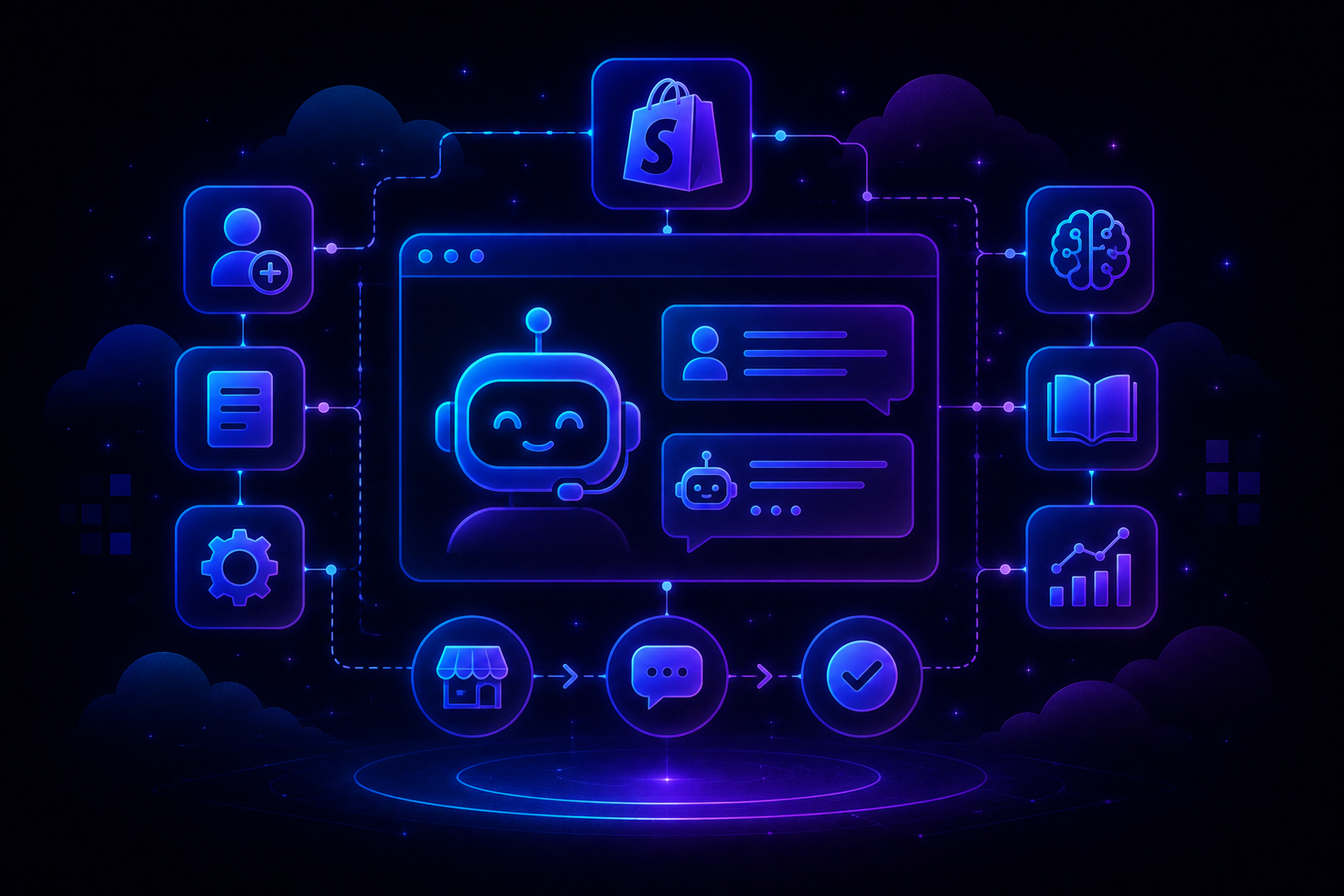
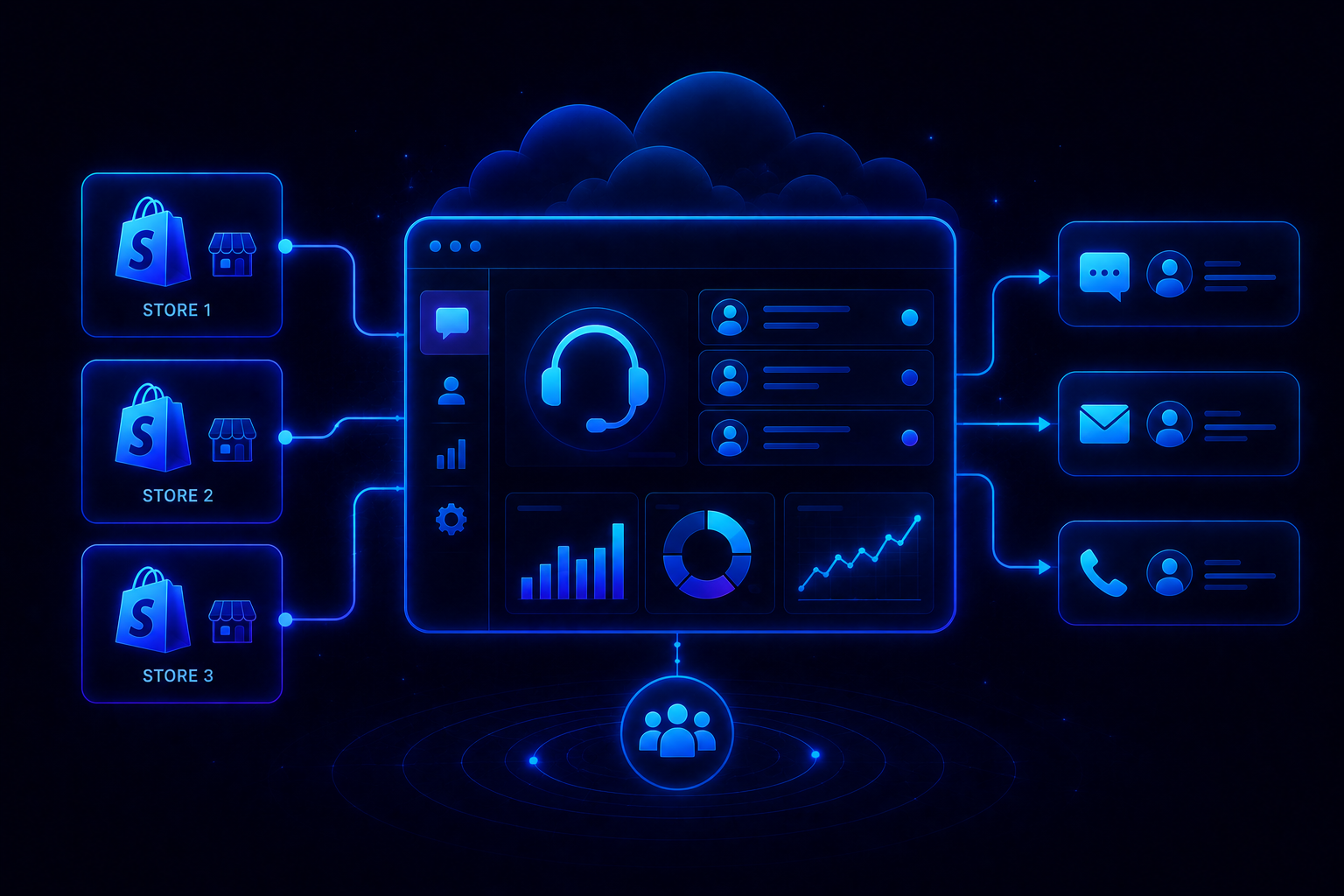
QuantumDesk centralizes every channel into one workspace, prioritizes tickets by urgency and sentiment, and gives agents full context before their first reply, making ai-native customer service benefits tangible rather than theoretical.
How QuantumDesk helps support teams deliver faster, more consistent customer experiences:
- Unified Workspace centralizes conversations from email, live chat, WhatsApp, and social media in one place, giving agents complete customer context without switching between tools.
- AI-Curated Inbox automatically prioritizes incoming tickets by urgency, sentiment, and intent so agents always work on the conversations that matter most first.
- Quantum AI resolves repetitive customer queries automatically and supports agents with conversation summaries, suggested responses, and next-best actions.
- Admin Analytics gives support leaders visibility into resolution rates, escalation patterns, and satisfaction trends so performance gaps are identified and addressed before they compound.
The result is faster response times, fewer escalations, and customer satisfaction scores that reflect a support operation built to keep pace with what customers now expect as standard. Ready to improve customer satisfaction without expanding your support team? Book a Demo with QuantumDesk
Frequently Asked Questions
What is customer satisfaction?
Customer satisfaction measures how well a company's products, services, and customer experiences meet or exceed customer expectations throughout the customer journey.
Why is customer satisfaction important?
Customer satisfaction improves retention, loyalty, referrals, and revenue while reducing customer churn and helping businesses build stronger long-term customer relationships.
What is the fastest way to improve customer satisfaction?
Reducing response times, improving issue resolution, removing customer effort, and acting on customer feedback often deliver the quickest improvements in customer satisfaction.
How do companies measure customer satisfaction?
Companies commonly use CSAT surveys, NPS surveys, Customer Effort Score, reviews, and customer feedback to measure satisfaction and identify areas for improvement.
Can AI improve customer satisfaction?
Yes. AI helps customers receive faster responses, enables self-service, improves ticket prioritization, and supports agents with context-aware assistance while preserving human involvement for complex situations.




.avif)